Chile Lithium Price Falls to US$16,050
Chile's lithium price fell to US$16,050 a tonne on 20 October, the lowest since January, as expectations for Chinese battery demand were cut. The post Chile Lithium Price Falls to US$16,050 appeared first on The Rio Times .
The Chile lithium price fell to US$16,050 a tonne on Tuesday 20 October 2026, its lowest since 20 January, according to Banco Central de Chile data that the Santiago newspaper La Tercera reported on Friday 23 October. The October average to that date was US$17,513 a tonne of lithium carbonate equivalent, the standard unit for comparing lithium products, down from US$19,368 in September.
For US readers the fall matters because Chile supplies much of the lithium that goes into electric-vehicle and grid-storage batteries, and a US company, Albemarle, produces from the same salt flat as the Chilean firm SQM. A cheaper input should help battery and car makers, while it trims the income of the producers and of the Chilean state, which collects payments from them.
We have followed the policy side of Chile’s lithium story in Chile Has 3 Lithium Deals at Audit Office and Chile Plans Five New Lithium Tenders . Those pieces ask who may produce lithium in Chile, while this one covers what the metal now sells for.
La Tercera, using central bank data through Tuesday 20 October, says the October average is returning to the levels seen in January. January averaged US$15,735 a tonne, which it describes as the lowest month of 2026.
On 20 October the daily price was US$16,050, the lowest since 20 January, when it stood at US$15,950. May was the best month of the year at US$21,674, and La Tercera describes a steady, mild decline since then, with October showing a sharper retreat.
The average for 2026 so far is US$19,009 a tonne. That is still well above 2025, since Cochilco, Chile’s state copper commission, which also tracks lithium, put its August spot price 106% above the 2025 average.
Patricio Faúndez, the economics lead at the firm GEM, told La Tercera the fall reflects a downward revision of expected battery-demand growth, especially in China. He said domestic sales of electric and plug-in hybrid vehicles there fell about 17% year on year in September 2026, while exports of those vehicles keep growing.
Data from the China Passenger Car Association, relayed by the trade site CnEVPost on Monday 12 October, fit that picture. New-energy vehicle retail sales were 1.084 million in September, down 16.7% from a year earlier and the ninth straight monthly fall, while exports jumped 163.5% to 558,000 vehicles.
Lithium carbonate futures on the Guangzhou exchange fell 11.8% on Monday 12 October to their lowest since 17 December 2025, the biggest one-day drop since March, the Chilean mining outlet REDIMIN reported. It linked the move to a 9 October understanding between the European Union and China to limit exports of Chinese hybrid cars to Europe, which raised doubts about battery-material demand in 2027.
That Chinese futures price is a different series from the Chilean central bank data, so the two are not directly comparable, but they point the same way. GEM also says suspended capacity, such as the Jianxiawo mine of the Chinese battery maker CATL, could return, so the market is adjusting its supply and demand balance for 2027.
Cochilco had already described a moderate correction from mid-May. Its spot carbonate price was US$19,525 a tonne on 19 August, 12.2% below 13 May but 106% above the 2025 average, and it said upward revisions of the 2027 and 2028 surpluses limit room for a lasting rise, especially if mine restarts go ahead.
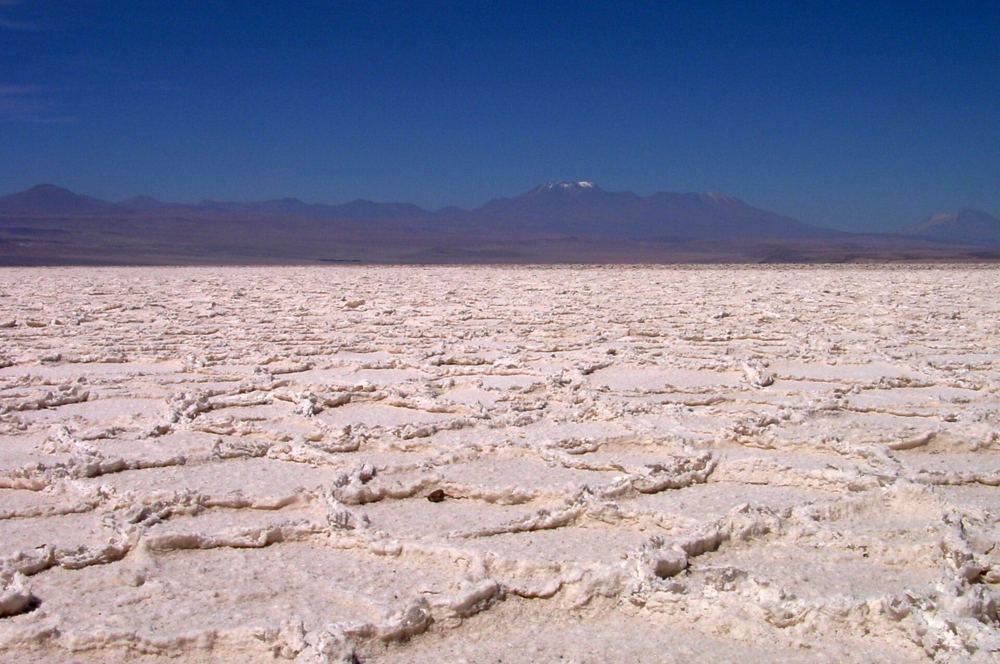
Chile’s development agency Corfo earns lithium income from quarterly payments by Novandino Litio, the joint company of SQM and Codelco, and by Albemarle, which both operate on the Salar de Atacama. Those payments reached US$791 million in the first half of 2026, up 427% from US$150 million a year earlier, La Tercera reported in August.
Novandino Litio paid US$670 million of that total, or 85%, and Albemarle paid US$121 million, up 116%. La Tercera tied the jump to the better prices earlier in the year, when the central bank series averaged US$18,733 a tonne in the first half, 114% above the same period of 2025.
In its Friday report, La Tercera says the latest Public Finance Report estimates that Corfo will receive US$1.289 billion of lithium income in 2026, a rise of 252% on 2025. The article does not say whether the lower October prices will change that projection.
Faúndez told La Tercera it is hard to foresee an immediate stabilisation because lithium remains a volatile market. He said some downward pressure could persist in the short term.
He named two possible supports for a recovery, supply restrictions in Zimbabwe and growth in energy-storage uses other than electric vehicles. GEM’s estimate for the 2027 price is about US$15,000 to US$21,000 a tonne, compared with US$17,513 so far this October.
Battery makers, carmakers and energy-storage developers in the United States buy lithium products priced on these benchmarks, so a lower price should ease input costs, although retail electric-vehicle prices depend on many other factors. Investors who follow Albemarle of the United States or SQM of Chile can read the same price as pressure on revenue per tonne.
Our guides Chile Natural Resources Explained 2026 and Foreign Powers and Investors in Chile 2026 explain who holds Chile’s lithium rights and who invests there. The Lithium Triangle guide places Chile beside Argentina and Bolivia.
Travellers and residents in Santiago feel little direct effect from a lithium price move, but mining income shapes public finances, and our Santiago expat city guide covers day-to-day costs. The budget link runs through the Corfo payments, which La Tercera ties to lithium prices.
The Banco Central de Chile statistics database could not be read for this article because its site loads the series only through scripts, so the price figures rest on La Tercera’s reading of that data. Cochilco and the Guangzhou futures point the same way, but they are different price series.
It is not known whether the October low will hold or whether prices will keep falling into November. No consensus forecast for the rest of 2026 was found.
The sources do not say how much of the fall comes from weaker Chinese demand and how much from expected extra supply. The Public Finance Report behind the US$1.289 billion figure for Corfo was not opened, so that projection is attributed to La Tercera.
The October average to 20 October was US$17,513 a tonne, down from US$19,368 in September. On 20 October the daily price was US$16,050, the lowest since 20 January.
GEM’s economics lead says expectations for battery-demand growth, especially in China, have been cut. Chinese domestic electric-vehicle sales fell 16.7% in September, according to the China Passenger Car Association data relayed by CnEVPost.
Yes, the 2026 average of US$19,009 a tonne is well above 2025. Cochilco put its August spot price 106% above the 2025 average.
The state agency Corfo receives payments from Novandino Litio and Albemarle, which were US$791 million in the first half of 2026. Those payments rose sharply when prices were higher.
It should lower input costs for US battery and car makers. It also pressures revenue per tonne for producers such as Albemarle and SQM.
Sources: La Tercera, 23 October 2026 ; La Tercera, 5 August 2026 ; Cochilco, lithium spot price note ; CnEVPost on China Passenger Car Association data, 12 October 2026 ; REDIMIN, 12 October 2026 .
Editorial responsibility: Matthias Camenzind , Editor-in-Chief · Editorial standards · Report an error
LatAm Markets: Live Signals →, real-time movers, turnover leaders and FX across Latin America.