Hong Kong technology shares shielded from US space and software selloff
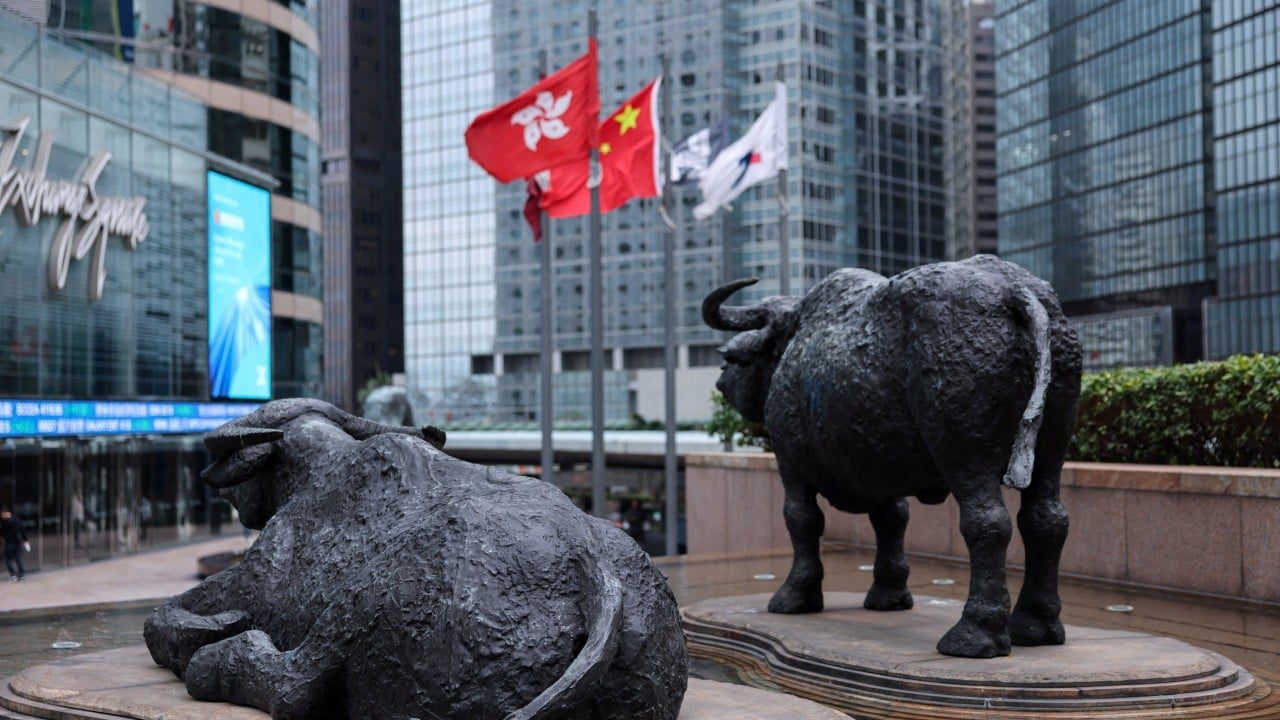
A sharp decline in SpaceX and valuation pressure on Wall Street's largest technology companies is unlikely to derail Hong Kong's tech sector, as investors recognize the fundamental differences in local business models and valuations.
Hong Kong technology shares are expected to remain insulated from a sharp decline in US space-technology leader SpaceX and renewed valuation pressure on Wall Street. Market analysts indicate that this overseas turbulence will not trigger a significant sell-off across local equities.
Kenny Tang Sing-hing, chairman of the Hong Kong Institute of Financial Analysts and Professional Commentators, dismissed fears of a cross-border contagion effect. "I don’t think there will be much impact" on the regional market from the ongoing overseas corrections, he stated.
The underlying resilience of Hong Kong-listed technology firms stems from their fundamentally different operational structures. Unlike their American counterparts, local companies primarily generate revenue through consumer internet platforms, e-commerce ecosystems, and enterprise software services rather than capital-intensive hardware ventures.
Regional equities also lack the stretched valuations that are currently weighing heavily on US markets. This structural divergence means that domestic investors are not exposed to the same premium pricing risks that have recently triggered a broader reassessment of American tech giants.
The recent downturn in American technology stocks has heavily impacted the Magnificent Seven, comprising Nvidia, Alphabet, Apple, Microsoft, Amazon, Meta, and Tesla. This specific cohort is facing intense scrutiny as the market questions the sustainability of their current pricing models.
Global investors are actively reassessing whether the massive capital expenditure directed toward artificial intelligence hardware will produce matching revenue growth. This deep uncertainty regarding return on investment is driving the current valuation corrections across the US sector just ahead of critical earnings reports.
For market participants, this divergence creates a distinct opportunity to reallocate capital away from overvalued hardware plays. The broader global retreat may actually accelerate a strategic pivot among institutional investors toward practical software applications, an area where Hong Kong firms hold distinct operational advantages.
Ultimately, the differing business models suggest that capital flows will remain segmented by operational focus. The current US market volatility may simply act as a catalyst, encouraging investors to increase their positions in Asian software and e-commerce ecosystems while reducing exposure to stretched hardware valuations.