Indian shares edge lower as Iran talks ease oil
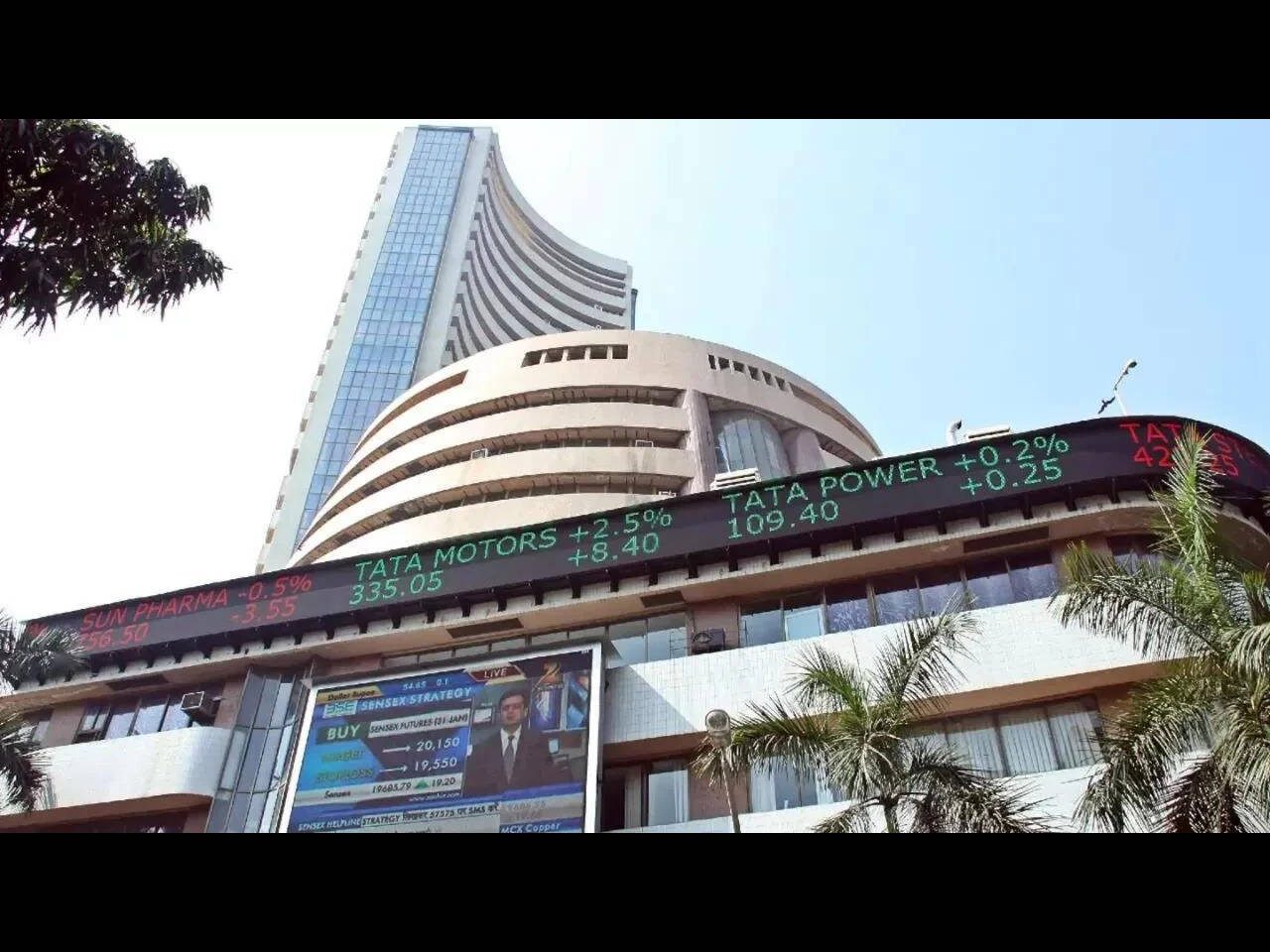
Indian benchmark indices ticked down despite a dip in crude prices following Iran-US ceasefire talks, as investors remain wary of persistent geopolitical uncertainty.
The Sensex fell 59 points to 77,650 and the Nifty 50 dropped 22 points to 24,216. The marginal declines came after mediators proposed a 10-day ceasefire to Iran aimed at salvaging a June 17 interim deal.
Brent crude futures slipped below $90 to trade near $88 per barrel, while WTI futures stood at $82. The conflict began on February 28 following US-Israeli attacks on Iran, and its unpredictable trajectory continues to anchor investor sentiment. However, the market reaction remained constrained because the fundamental uncertainty still poses an upside risk to energy prices.
Domestic institutional buyers continue to insulate the broader market from foreign outflows. Geojit Investments Chief Investment Strategist VK Vijayakumar noted that foreign portfolio investor selling is easily being absorbed by domestic institutional buying. Furthermore, dollar inflows through a concessional swap facility have surpassed $20 billion, providing structural support for the rupee alongside a narrowing Kharif sowing deficiency, which is now at 6%.
Technically, the Nifty remains trapped in a consolidation phase. Axis Direct Head of Research Rajesh Palviya noted that the index faces stiff resistance at the 24,300-24,400 zone, which aligns with its 200-day exponential moving average. If 24,100 support breaks, the index could accelerate its decline toward the psychologically significant 24,000 level.
Large-cap financial and technology stocks dragged the benchmarks lower, with HDFC Bank, Axis Bank, SBI, and HCL Technologies falling 1% to 2%. Gains in ICICI Bank, NTPC, and ITC limited the downside. Despite blue-chip weakness, the Nifty Midcap 100 and Smallcap 100 opened higher, pushing overall market breadth positive with 1,453 advances against 775 declines.
Vijayakumar expects this broader market outperformance to persist as first-quarter earnings are absorbed. “Going forward, the trajectory of crude oil prices, banking sector earnings and geopolitical developments are likely to dictate market direction, while any moderation in oil prices or easing of regional tensions could provide the much-needed catalyst for a recovery in sentiment,” Palviya said.