Lula and Bolsonaro chase non-voters in the final stretch of Brazil’s campaign
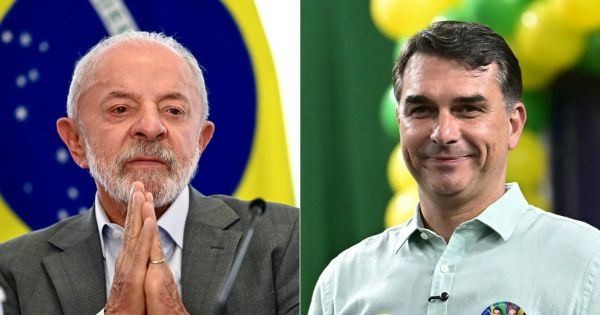
Two days before Brazil’s presidential runoff, President Luiz Inácio Lula da Silva and Senator Flávio Bolsonaro are focusing their final efforts on the same target: the roughly 33 million voters who stayed away in the first round. With polls showing a statistical tie and just 1% or 2% undecided, mobilising those who stayed at home on October 4 could decide the outcome.
Two days before Brazil’s presidential runoff, President Luiz Inácio Lula da Silva and Senator Flávio Bolsonaro are focusing their final efforts on the same target: the roughly 33 million voters who stayed away in the first round. With polls showing a statistical tie and just 1% or 2% undecided, mobilising those who stayed at home on October 4 could decide the outcome.
The latest Datafolha poll gives Bolsonaro 51% of valid votes and Lula 49%, within the margin of error, while Quaest puts them at 46% and 44% of total voting intentions. In the first round, Bolsonaro won 47.03% and Lula 45.16%. Since direct elections returned in 1989, no candidate who came second in the first round has won the presidency.
Both campaigns are targeting two groups for whom voting is optional: people over 70, who have high abstention rates, and 16- and 17-year-olds. Lula’s campaign has mobilised activists and supporters on the streets and online, with large events such as the rally on São Paulo’s Avenida Paulista and the “Lula’s Army” WhatsApp channel, with millions of followers. This week the government began paying the 15% increase in Bolsa Família, and the Senate approved the 40-hour working week, one of the president’s flagship pledges.
Bolsonaro, for his part, has the backing of almost all right-wing and centre-right parties and of ten governors elected in the first round. He has centred his message on security and the economy, promises to create a Ministry of Prosperity and keep social programmes, and has also called his supporters to Avenida Paulista and mobilised them online through channels such as “Flávio’s Troop”.
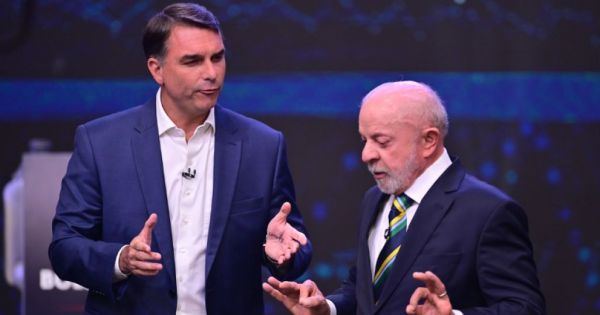
The digital battle has reached the courts: both campaigns accuse Meta of unequal treatment on its platforms, and the Superior Electoral Court has ordered it to guarantee equality between the candidates. Lula and Bolsonaro face each other on Friday in their final debate, on TV Globo, before Sunday’s vote.