Gucci's sales slump sends parent company Kering's shares tumbling
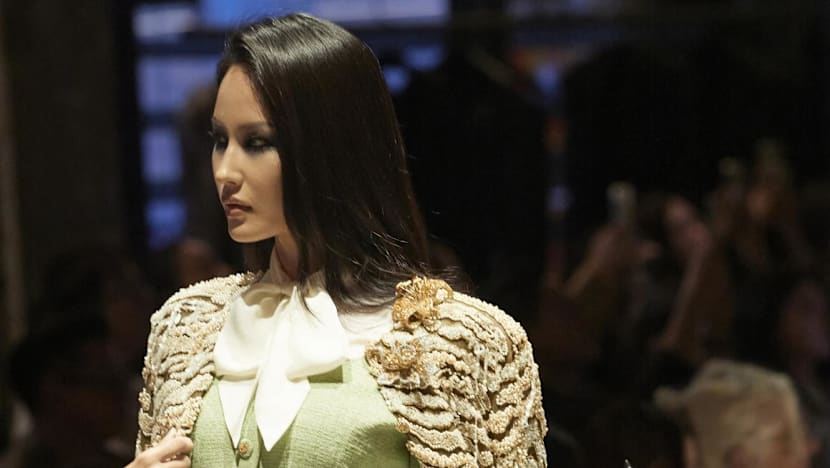
Weak demand in China and Japan weighed on the luxury brand's third-quarter performance, complicating efforts to revive its struggling parent company.
Weak demand in China and Japan weighed on the luxury brand's third-quarter performance, complicating efforts to revive its struggling parent company.
Shares in Kering tumbled more than 10 per cent on Friday (Oct 23), after the French luxury group reported a fall in third-quarter sales at its flagship Gucci brand.
Revenues at Gucci, its top brand by sales and profits, fell 6 per cent in the quarter, weighed down by weak demand in mainland China and Japan. Analysts had forecast a drop of 2.8 per cent.
Kering shares fell 10.7 per cent in early trading in Paris, as the results, released after the market closed on Thursday, threatened to delay chief executive Luca de Meo’s efforts to revive the struggling luxury group.
Group sales fell 1 per cent on an organic basis in the three months to the end of September, compared with the same period a year ago, to a total of €3.3 billion (US$3.69 billion; S$4.72 billion), roughly in line with analysts’ expectations.
Excluding Gucci, retail sales at the rest of the group’s brands, which include Saint Laurent and Bottega Veneta, rose 2 per cent in the quarter, the company said.
“Third-quarter revenue reflects the phasing we anticipated, in a softer macroeconomic environment. The recovery of Gucci remains our defining priority,” De Meo said in a statement.
Kering confirmed its commitment to improve recurring operating margin in 2026 despite “short-term revenue trends reflecting a more challenging macroeconomic environment”. However, its previous objective of returning to revenue growth this year was not mentioned in the third-quarter release.
The results may temper renewed optimism about the Paris-listed company’s prospects after it returned to growth for the first time in three years in the preceding quarter.
De Meo joined Kering from carmaker Renault just over a year ago with a mandate to oversee a deep restructuring. He is working to fuse the operations of Kering’s independent brands into a more closely knit group by integrating parts of its production, sharpening brand identities and centralising some decision making.
Chief financial officer Armelle Poulou told analysts that the company was moving ahead of schedule to close underperforming stores. So far, 105 locations have been shut, with a further 20 set to close this year.
However, these efforts are taking place against the backdrop of persistently weak demand for luxury goods, particularly in China, a key market for Gucci.
“Mainland China is our major headwind,” Poulou said, while the company also noted a softening in North America.
Industry leader LVMH kicked off what was predicted to be a tough reporting season for the sector when it reported a 1.8 per cent fall in quarterly organic sales. Hermes’ results were mixed, raising questions for investors about even the high end of the sector.
Demand has been hit by the conflict in the Middle East and persistent inflation that has corroded the spending power of the sector’s aspirational consumers.
Some luxury boutiques in Paris and elsewhere in France were also pillaged by rioters over the weekend, denting the country’s image and leading to worries about tourist demand.
Bright spots for Kering included quarterly sales growth of 11 per cent at its jewellery division, which includes Boucheron, and a 4 per cent sales increase in eyewear.
A single handpicked story that we think you shouldn't miss. Just one a day.
Our chief editor shares analysis and picks of the week's biggest news every Saturday.