A partial win in Hamburg could help Milei in 2027, an analysis suggests
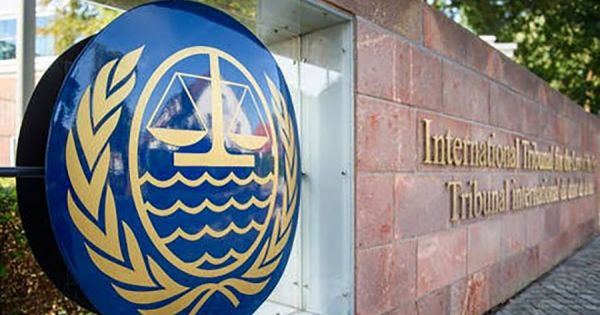
Argentina has slim chances of persuading the International Tribunal for the Law of the Sea to halt the Sea Lion oil project north of the Falklands by invoking its sovereign rights, but it could secure a partial victory on environmental grounds that would help President Javier Milei ahead of the 2027 election, according to an analysis by an international law academic published on The Conversation.
Argentina has slim chances of persuading the International Tribunal for the Law of the Sea to halt the Sea Lion oil project north of the Falklands by invoking its sovereign rights, but it could secure a partial victory on environmental grounds that would help President Javier Milei ahead of the 2027 election, according to an analysis by an international law academic published on The Conversation.
The author notes that rights at sea derive from sovereignty over the coast and that tribunals under the United Nations Convention on the Law of the Sea cannot decide who owns territory. To prescribe provisional measures, the tribunal must consider the rights invoked “plausible”. Argentina says it is not seeking a ruling on sovereignty, but its request rests on its “sovereign rights” over the continental shelf, which is hard to assess without asking who owns the islands, the author argues. For that reason, the precedent Argentina cites, the 2015 order barring new drilling by Ghana in waters disputed with Ivory Coast, is not comparable: there, nobody disputed sovereignty over the coasts, only where the maritime border should run.
The more promising route, according to the analysis, is environmental. In April, an arbitral tribunal found that Russia had breached the Convention over the Kerch Strait bridge by inadequately assessing its environmental impact, without ruling on sovereignty over Crimea, because such duties apply to activities under a state’s “jurisdiction or control”. The same reasoning could apply to Sea Lion: Argentina’s request cites a contingency plan by the project’s former operator, Premier Oil, that put at 30% the chance of a spill reaching Argentine waters within 30 days.
Even so, the author warns that in the Crimea case the tribunal limited itself to declaring the breach, without ordering Russia to change its conduct or make reparation. An Argentine victory “may not stop Sea Lion going ahead” or resolve sovereignty, but even an order requiring the UK to assess and share environmental risks would be “a win of sorts” that, given how strongly Argentines feel about the issue, could help Milei. And an order to cooperate would bring the two countries back to the same table, the author adds.
The tribunal will hold its hearing on November 10 and 11. The United Kingdom has said it will take part and challenge any attempt to use the proceedings to settle sovereignty.