HKEX to allow confidential filings, lower listing thresholds
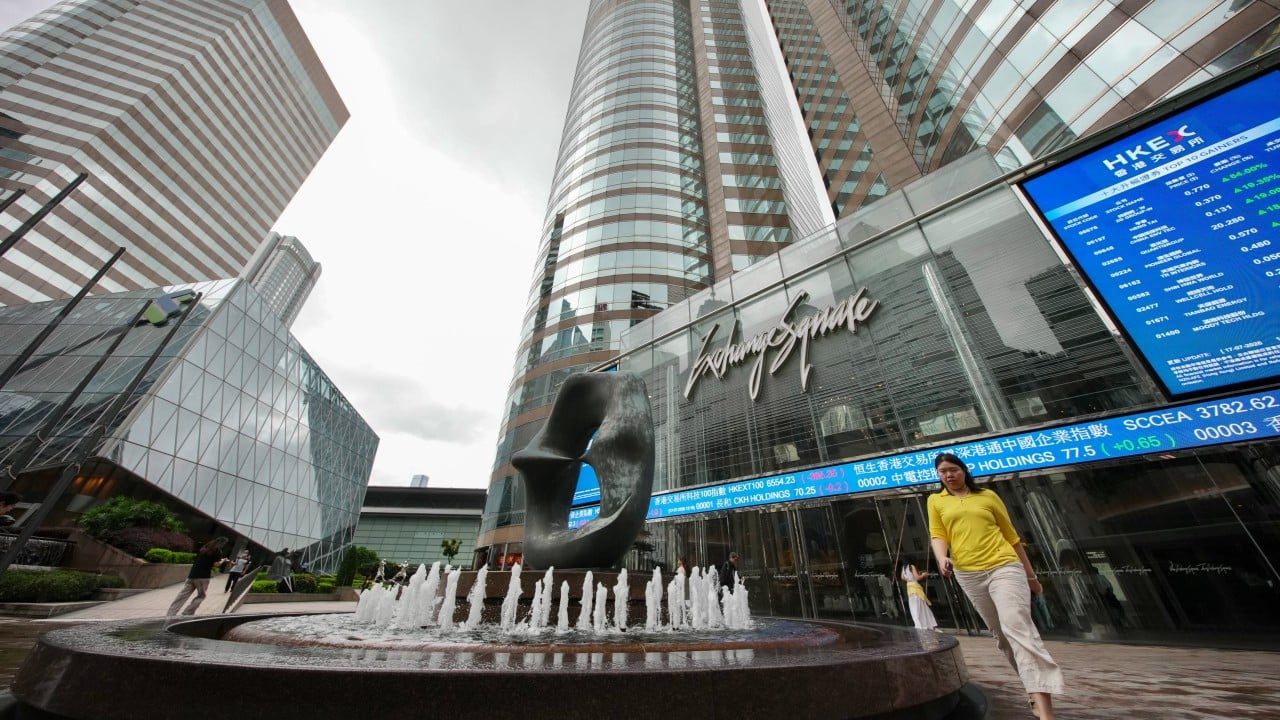
Hong Kong’s exchange will let start-ups file confidentially and lower market capitalisation requirements to win more listings from global rivals.
Hong Kong’s stock exchange is set to introduce confidential filing mechanisms and lower market capitalisation thresholds for start-ups. The operator plans to announce the rule changes by the end of this month, capping a consultation period with market participants that began in March.
Under the new mechanism, listing candidates will be permitted to withhold certain operational and financial details from the public until their applications are formally approved. The minimum market capitalisation requirements for companies using weighted voting rights (WVR) and those pursuing international listings will also be reduced. These final lowered thresholds are expected to undercut the baseline requirements initially proposed by the exchange in March.
The policy shift is a direct response to rival bourses that already permit confidential reviews. “The exchange would need to compete with other markets to fight for the start-ups to list here, which is why confidential filing and a lower market capitalisation are important,” one source said.
For growth-stage companies, premature public disclosure of sensitive business metrics can erode competitive advantages or complicate ongoing private fundraising rounds. By allowing companies to test regulatory waters in private, Hong Kong removes a structural friction that has historically driven founders toward other financial centres. The adjustment is particularly relevant for technology firms, which frequently utilise WVR structures to preserve founder control while issuing equity to external investors. While WVR structures grant founders disproportionate voting power, a feature that introduces specific governance risks for minority shareholders, they remain a non-negotiable condition for many high-growth listings.
The regulatory pivot reflects a clear consensus among the exchange’s institutional and corporate user base. “A majority of market participants support having confidential filing, which has led HKEX to decide to go ahead with the plan,” a second source noted.
For market professionals, the changes represent a tactical recalibration aimed at revitalising Hong Kong’s deal pipeline. Securing a reliable flow of new listings is vital for the exchange's revenue model and broader market liquidity. If successful, these adjustments could reverse the recent trend of Asian start-ups bypassing Hong Kong entirely during their IPO journeys.