Asian stocks gain as chips bounce; Middle East tension caps upside
Asian equities are recovering from a recent tech selloff, but escalating Middle East tensions and new US tariff threats on Canada are keeping investors cautious ahead of key megacap earnings.
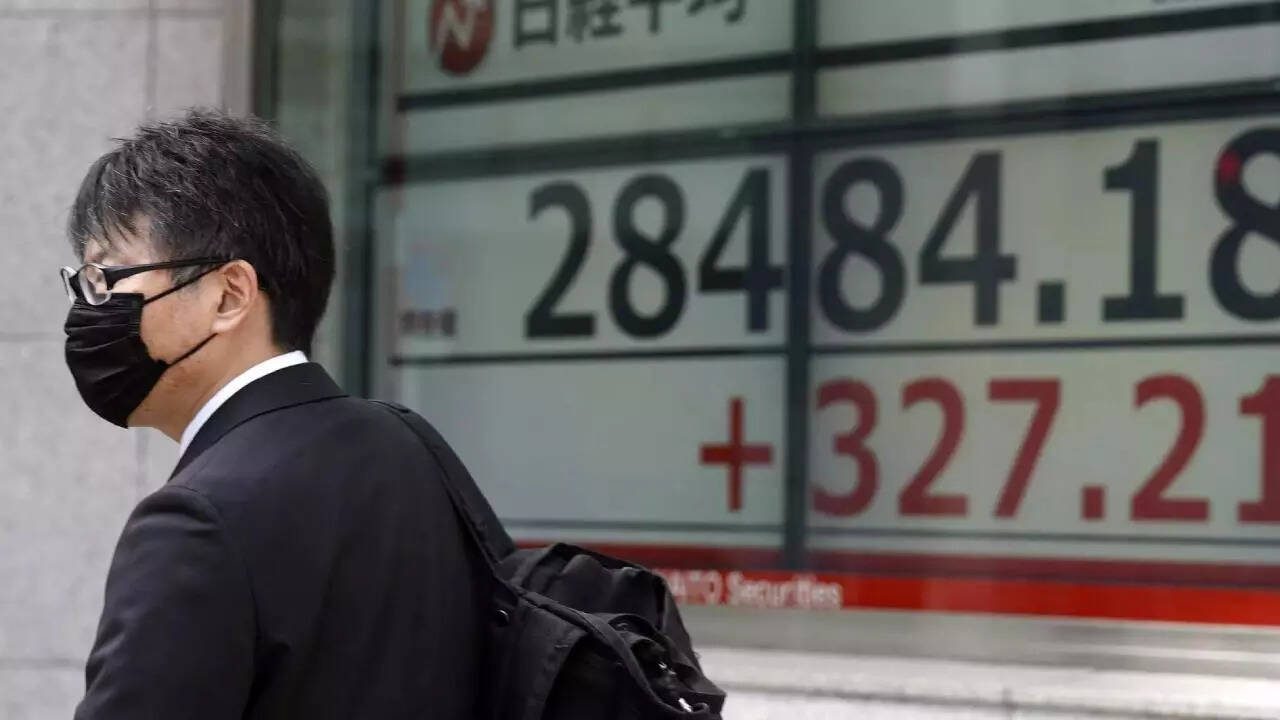
The MSCI Asia Pacific Index climbed 0.5% on Tuesday, led by a 1.5% jump in Japan's Nikkei 225 as markets reopened following a Monday holiday. South Korean equities erased early losses to finish 0.2% higher. The regional bounce tracked a recovery in a US gauge of semiconductor stocks following last week's sharp selloff.
Despite the equity gains, broader market sentiment remains constrained by escalating geopolitical risks in the Middle East. Brent crude dipped 0.3% to roughly $89 a barrel, but supply fears are simmering after Yemen-based Houthi rebels threatened to block a vital Red Sea export route.
The militant group, backed by Tehran, specifically targeted the maritime corridor Saudi Arabia uses to ship millions of barrels of crude daily via a pipeline that circumvents the Strait of Hormuz. Riyadh responded by pledging to take all necessary measures to protect its vessels. The threat follows US military strikes on Iranian targets, launched after President Donald Trump vowed Tehran "will pay" for the deaths of three American soldiers.
These escalating tensions are amplifying worries that sustained higher energy costs will stoke inflation, a dynamic that drove losses in bond markets during the previous session.
Geopolitical anxieties are now converging with renewed trade frictions. The Canadian dollar held steady after the Trump administration announced plans for a 50% tariff on certain Canadian goods, citing disputes over alcohol, automotive, and dairy trade. Slated to take effect in 30 days, the levy would represent one of the harshest trade actions taken against America's second-largest trading partner.
In Europe, the British pound maintained prior session losses after newly appointed Prime Minister Andy Burnham unexpectedly selected former Defense Secretary John Healey as Chancellor of the Exchequer.
The combination of elevated oil prices and simmering global conflicts is accelerating a rotation out of the technology sector, which enjoyed a blistering rally earlier this year. Investors are now looking to upcoming megacap earnings reports to determine if artificial intelligence-driven valuations can be sustained.
“The Iran situation continues to roil markets,” said veteran strategist Louis Navellier. “This is holding back the stock gains that should be expected given the strong earnings trends.” Tom Essaye of The Sevens Report noted that a broader market recovery hinges on both tech earnings and cooler heads abroad. “For stocks to rebound, we need some solid earnings from the key tech names this week, and de-escalation in Iran wouldn’t hurt,” he said.