Hong Kong malls use sports events to replace tourist retail spend
Hong Kong developers are embedding permanent sports broadcasting infrastructure in neighbourhood malls to offset the ongoing weakness in mainland tourist spending.
Hong Kong property developers are embedding permanent sports broadcasting infrastructure into neighbourhood malls. This strategic pivot is designed to sustain a recent surge in consumer spending driven by live sports.
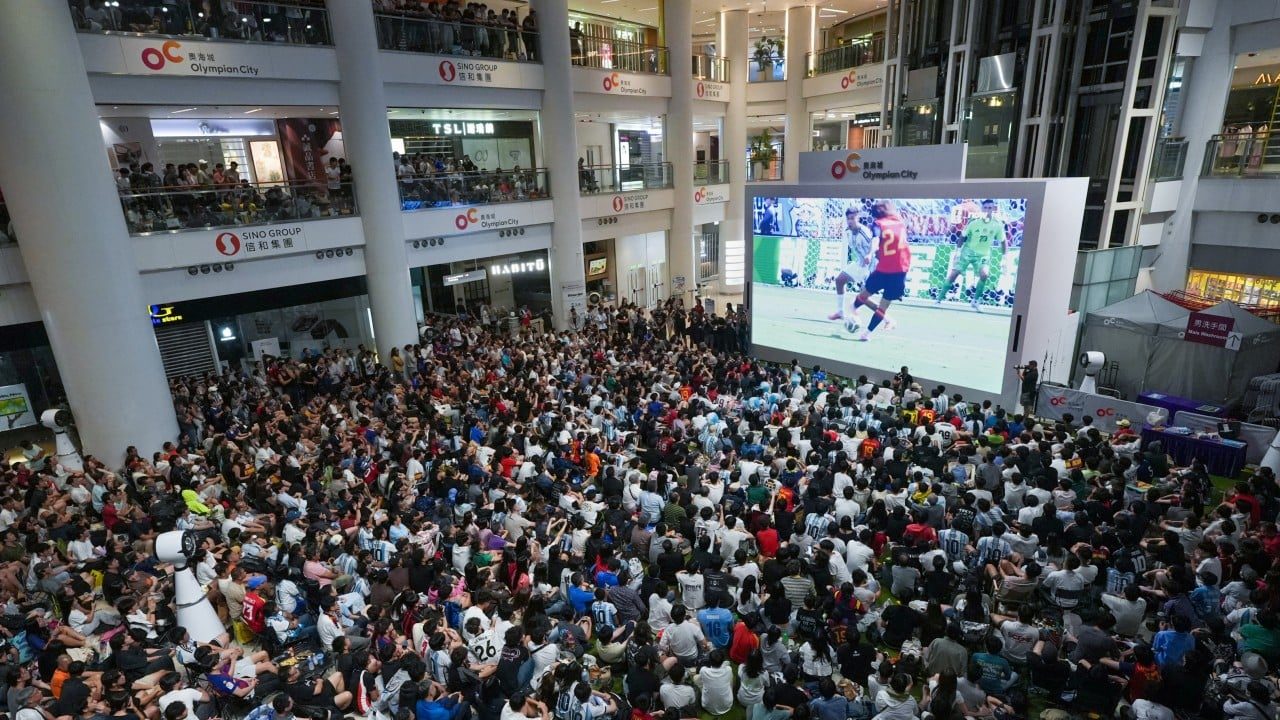
The shift follows a lucrative World Cup campaign by Sino Group. The developer invested more than HK$8 million, equivalent to US$1 million, to screen all 104 tournament matches across three flagship properties. This initiative drove a 10 to 15 per cent year-on-year increase in both foot traffic and retail sales during the competition period.
Analysts observe that operators are no longer treating major sporting events as isolated marketing stunts. Instead, developers are funnelling capital into permanent infrastructure upgrades and year-round programming to replicate these double-digit gains.
This strategy marks a stark departure from the sector's traditional revenue drivers. "Before Covid, developers were more focused on tourist spending because mainland visitors [spent] more," said Will Chu, investment director at Nexara Capital.
Maintaining consistent foot traffic has become a critical challenge for landlords facing an uncertain recovery in cross-border travel. By securing broadcast rights for global sporting fixtures and upgrading facilities to accommodate communal viewing, developers are directly incentivising local residents to spend discretionary income within these commercial properties.
For market participants, this operational overhaul signals an admission that mainland tourist footfall may remain structurally lower than pre-pandemic levels. By transforming passive retail spaces into active entertainment venues, landlords are attempting to cultivate a more resilient, locally driven income stream.
While the transition requires developers to absorb higher capital expenditure and take on event management risks, the early returns are compelling. If the sales uplift achieved by Sino Group proves sustainable across the wider sector, this experiential model could permanently alter asset valuations for Hong Kong neighbourhood retail.