US hits Canada with 50% tariffs, invoking 1930 trade act
The US will impose 50% tariffs on most Canadian goods in 30 days, escalating trade tensions and injecting uncertainty into markets already strained by rising inflation.
President Donald Trump signed three proclamations on Monday to impose 50% tariffs on most Canadian goods, utilizing Section 338 of the 1930 Trade Act. The tariffs are set to take effect in 30 days, leaving a narrow window for potential negotiations. The move targets goods previously protected under the United States-Mexico-Canada Agreement, which the US did not renew, leaving new negotiations that could run until 2036.
Energy products, potash, fish and critical minerals are excluded from the new import taxes. However, the broad scope of the duties covers autos, alcohol and dairy products. An administration official, speaking on the condition of anonymity, said the action was necessary because Canada retaliated against previous US tariffs and unfairly discriminated against American goods.
The legal mechanism marks a significant shift in US trade policy. The Supreme Court ruled in February that Trump lacked the authority to impose tariffs by declaring an economic emergency. The White House is now relying on the obscure 1930 statute, a tactic several Democratic lawmakers had previously warned could be used to destabilize the economy.
Scott Lincicome, vice president of general economics at the Cato Institute, warned that the action injects “massive uncertainty” into the global economy. “We crossed the Rubicon,” Lincicome said. “The invocation of 338 is the nuclear option for Trump tariffs.”
For markets and consumers, the duties represent a direct inflationary risk. Import taxes are typically passed along to consumers as higher prices. The annual inflation rate has already climbed since Trump took office, pressured by previous tariffs and rising oil prices tied to the war in Iran.
The economic stakes are high ahead of the November midterm elections. Trump’s “Liberation Day” tariffs last April triggered a financial market meltdown over recession fears before he temporarily walked them back. The president maintains that import taxes will drive manufacturing back to the US, though economic data has yet to show such a shift.
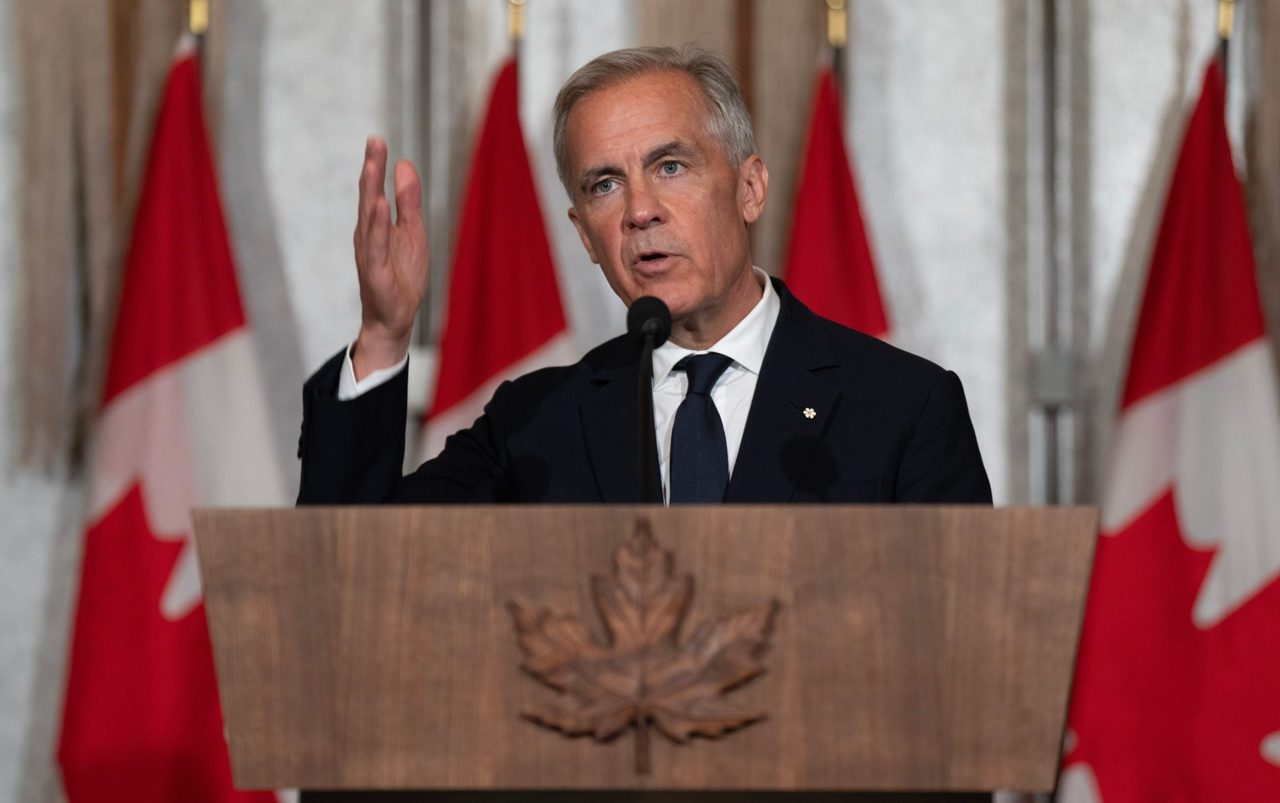
A retaliatory trade war appears likely. “If these tariffs proceed, Canada should respond tariff for tariff, dollar for dollar,” Ontario Premier Doug Ford posted on social media. The federal government in Ottawa did not immediately comment. Canadian Prime Minister Mark Carney, who watched the World Cup final with Trump on Sunday, has actively sought to diversify Canada’s trade relationships away from the US.