Beijing subsidy cuts drive steep fall in China's car sales
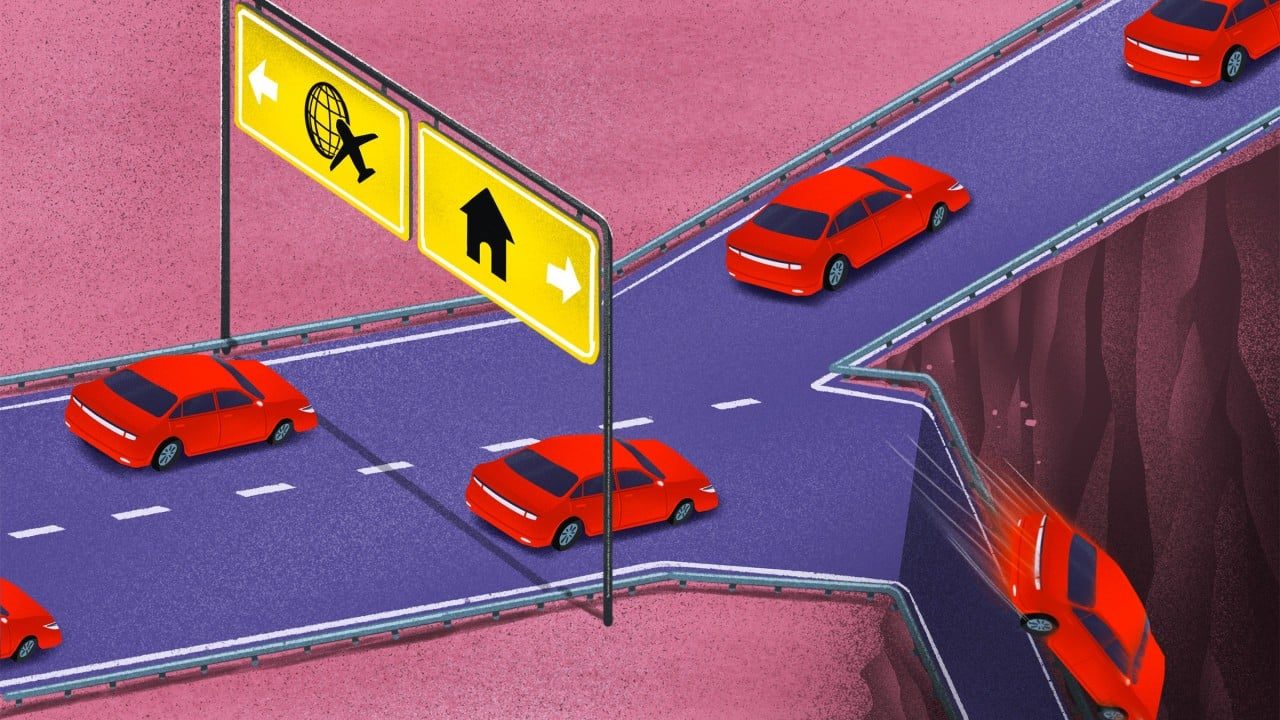
Chinese automakers are facing a sharp decline in domestic sales as Beijing withdraws purchase subsidies, forcing exporters like BYD and Chery to rely on volatile overseas markets and complicating China's economic rebalancing.
China’s automotive sector is experiencing a sharp divergence between its global and domestic performance. While the country retains its position as the world’s largest car exporter, manufacturers are confronting a steep drop in sales at home this year.
Beijing is the primary catalyst for this shift. The government recently slashed its subsidy for new car purchases by 33 percent, reducing the incentive to 10,000 yuan. This abrupt withdrawal of state support has fundamentally altered the math for prospective buyers.
Macroeconomic headwinds are compounding the impact of the subsidy reduction. A prolonged property market downturn and a shaky job market have severely dampened consumer confidence, making high-ticket purchases increasingly difficult to justify.
Wang Wenfei, a 30-year-old chef working in Shanghai, exemplifies this consumer reticence. He had budgeted 100,000 yuan (roughly US$14,700) to buy a vehicle for the drive back to his native Henan province. “A comfortable new car that I can drive home to Henan for Chinese New Year was all I wanted,” he said.
Rising petrol prices tied to the Middle East conflict and a denied pay rise ultimately forced Wang to abandon his purchase. For major manufacturers, this pattern presents immediate strategic challenges. Companies like BYD and Chery Automobile are now under pressure to lean heavily on foreign markets to sustain growth.
This increased reliance on exports arrives at a highly inconvenient moment. Chinese automakers are already navigating rising trade tensions globally, meaning they are doubling down on overseas revenue just as protectionist headwinds intensify.
The domestic sales slump also undermines broader macroeconomic policy objectives. Beijing has been actively trying to rebalance the national economy away from real estate and toward domestic consumption and high-end manufacturing.
The electric vehicle industry sits precisely at the centre of this intended transition. It represents a convergence of advanced technology, green energy policy, and consumer spending. When Chinese buyers hesitate, it signals that the domestic consumption pillar of Beijing’s economic strategy remains fragile, leaving the country's world-beating car industry overly dependent on foreign trade partners.