Mozambique Ends Minibus Fuel Subsidy
Mozambique has ended three months of fuel aid for Maputo's minibuses. Operators want higher fares from 1 November, and talks with the government continue. The post Mozambique Ends Minibus Fuel Subsidy appeared first on The Rio Times .
, Decision The government has ended the temporary fuel compensation paid to licensed minibus operators, known as chapas, in the Maputo metropolitan region., Cost Over three months the state paid 307 million meticais (about US$4.9 million) to operators, according to figures from the transport authorities., Monthly aid A 15-seat minibus received 35,000 meticais a month, about US$553., Fares The operators’ federation, FEMATRO, proposes rises from 1 November, while the metropolitan transport agency offers 3 to 5 meticais., Rate used Dollar figures use about 63.24 meticais per US$ (RT, 20 October).
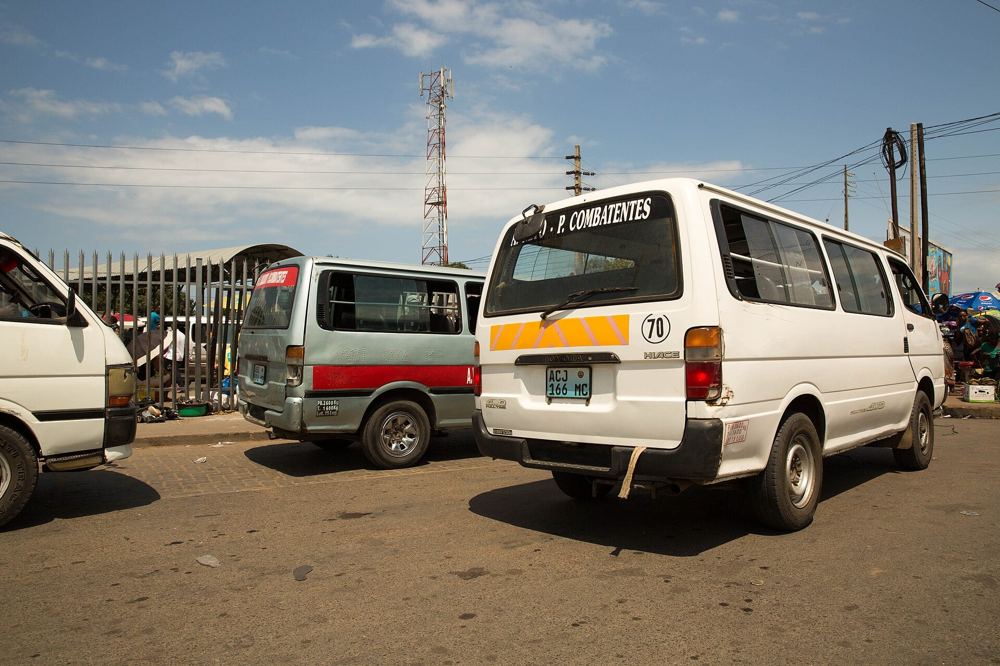
Mozambique has ended the fuel compensation it paid to chapas, the privately run minibuses that carry most commuters in Greater Maputo. Operators now want higher fares from 1 November and warn of service disruption if they do not get them.
For US readers, the dispute shows how fuel-price shocks tied to the Middle East reach a country that Washington and US energy firms watch as a coming gas exporter. It also tests the government’s budget room.
The aid was announced in May and ran for three months in Maputo, Matola, Boane, Marracuene and nearby towns. A 15-seat minibus got 35,000 meticais a month (about US$553), and larger buses received more, according to Club of Mozambique.
The authorities paid 307,004,619 meticais in total (about US$4.9 million), covering 2,476 vehicles in the first month, 2,565 in the second and 847 in the third. Government spokesman Inocêncio Impissa called it a temporary measure, and a transport official said the state found more sustainable ways to manage public transport.
Fuel prices jumped on 7 May, when diesel rose 45.5% to 116.25 meticais a litre (about US$1.84) and petrol rose 12.1%. Portuguese state broadcaster RTP linked the rise to the Middle East conflict.
Operators struck in Maputo and Matola on 8 May, leaving thousands of commuters stranded. The state then agreed to pay compensation to avoid an immediate fare rise.
In late July chapas again stopped in part of Maputo and Matola over late payments. Later, fuel queues formed in late September, and a ministerial diploma now eases customs deadlines for fuel imports.
FEMATRO, the road transporters’ federation, proposes raising an 18-metical fare to 30 meticais (about US$0.47) and a 15-metical fare to 25 meticais (about US$0.40) from 1 November. The metropolitan transport agency has countered with a rise of 3 to 5 meticais (about US$0.05 to US$0.08).
FEMATRO first asked for 20 meticais more, which the council rejected, according to Club of Mozambique. Its representative Jorge Manhiça warned of service disruption on 2 November if the proposal is rejected, saying operators would otherwise keep accumulating losses.
Mozambique’s government projects growth of 9.5% in 2029 once large liquefied natural gas projects start, so urban stability matters to US energy and aid interests. A transport stoppage in the capital would be an early test of that outlook.
Costly imported fuel also leaves Mozambique exposed to oil-price swings. US travellers to Maputo should expect possible disruption to minibus services around 1 and 2 November.
The final fares have not been set, and reports differ on how far apart the two sides are. Some operators reportedly accept a smaller rise only if aid continues, while others back higher fares.
The government has not published the legal text ending the aid, and the number of operators paid late has not been reported. It is also unclear what support, if any, will replace the subsidy.
Club of Mozambique: subsidy ends · Club of Mozambique: AMT payments · DW Português
Africa: The New Scramble, why the world’s powers are competing for the continent
Editorial responsibility: Matthias Camenzind , Editor-in-Chief · Editorial standards · Report an error
The aid was a temporary measure that lasted three months after fuel prices jumped in May. A transport official said the government found more sustainable ways to manage public transport.
The authorities paid 307 million meticais, about US$4.9 million at 63.24 per dollar. A 15-seat minibus received 35,000 meticais a month.
FEMATRO proposes rises from 1 November, while the transport agency has offered 3 to 5 meticais. No final fare has been announced.
A chapa is a privately run minibus taxi. It is the main form of public transport in Maputo and nearby towns.