China ends oil price cushion as Iran war shuts Hormuz
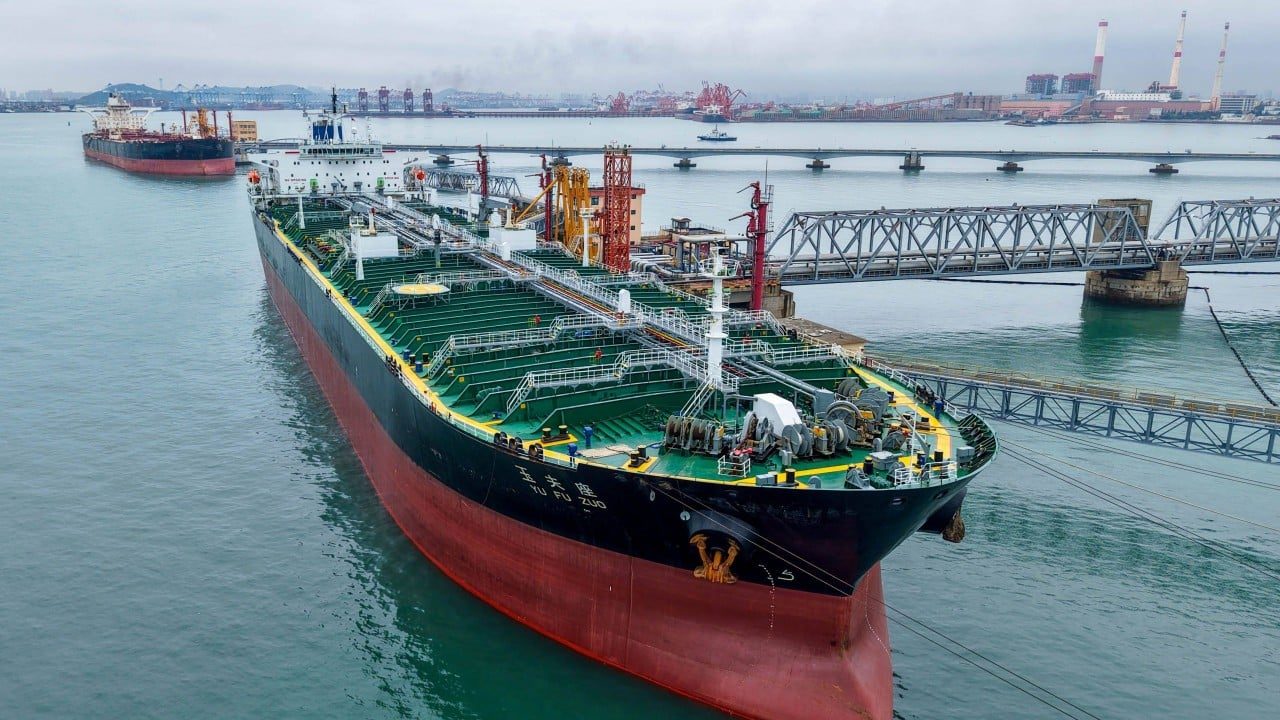
Beijing is preparing to stop using its strategic petroleum reserves to cap crude prices, leaving global markets exposed to sustained prices above $100 a barrel as the Strait of Hormuz closes.
Renewed US military strikes on Iran have forced the closure of the Strait of Hormuz, triggering a fresh surge in oil prices. In response, Beijing is signalling an end to its unofficial role as the global market's price stabiliser. China is preparing to stop using its strategic petroleum reserves to cushion the blow, leaving crude markets without a critical backstop.
This shift places the burden of managing supply shocks entirely on a severely depleted American stockpile. US strategic petroleum reserves have fallen to their lowest level in more than 40 years. Consequently, Washington will struggle to maintain its previous success in keeping oil below the crucial $100 a barrel threshold.
For investors and corporate planners, the departure of this implicit price cap fundamentally alters the risk calculus. Analysts caution that if crude sustains a position above $100, the macroeconomic fallout will be severe. The market is now facing a much higher probability of accelerated inflation, depressed consumer spending and an eventual global recession.
China's prior interventions had been instrumental in masking the severity of the supply crunch. As the world's largest oil buyer, Beijing leveraged its purchasing power by slashing imports by 3.5 million barrels a day since April. This aggressive demand reduction successfully prevented an even steeper price rally during the earlier phases of the conflict.
However, Beijing is now unwilling to deploy its actual stockpiles to sustain this dynamic. While China's strategic reserves are not publicly disclosed, they are widely believed to be among the largest globally. Tapping these reserves now would merely subsidise global energy costs while risking the prolongation of the war and the disruption of energy supplies.
The prevailing narrative of China withdrawing its "safety net" serves as a clear warning to market participants to brace for higher prices. The conflict's trajectory supports this pessimism, as no US-led war in the Middle East has ever concluded quickly. Traders are now forced to price in a worst-case scenario: a multi-year blockade of both the Strait of Hormuz and the Bab al-Mandab Strait. In navigating this volatile landscape, market professionals should heed one stark assessment: "Don’t hold your breath for China cutting oil imports further."