Bank of Korea launches 500,000-user CBDC pilot with live subsidies
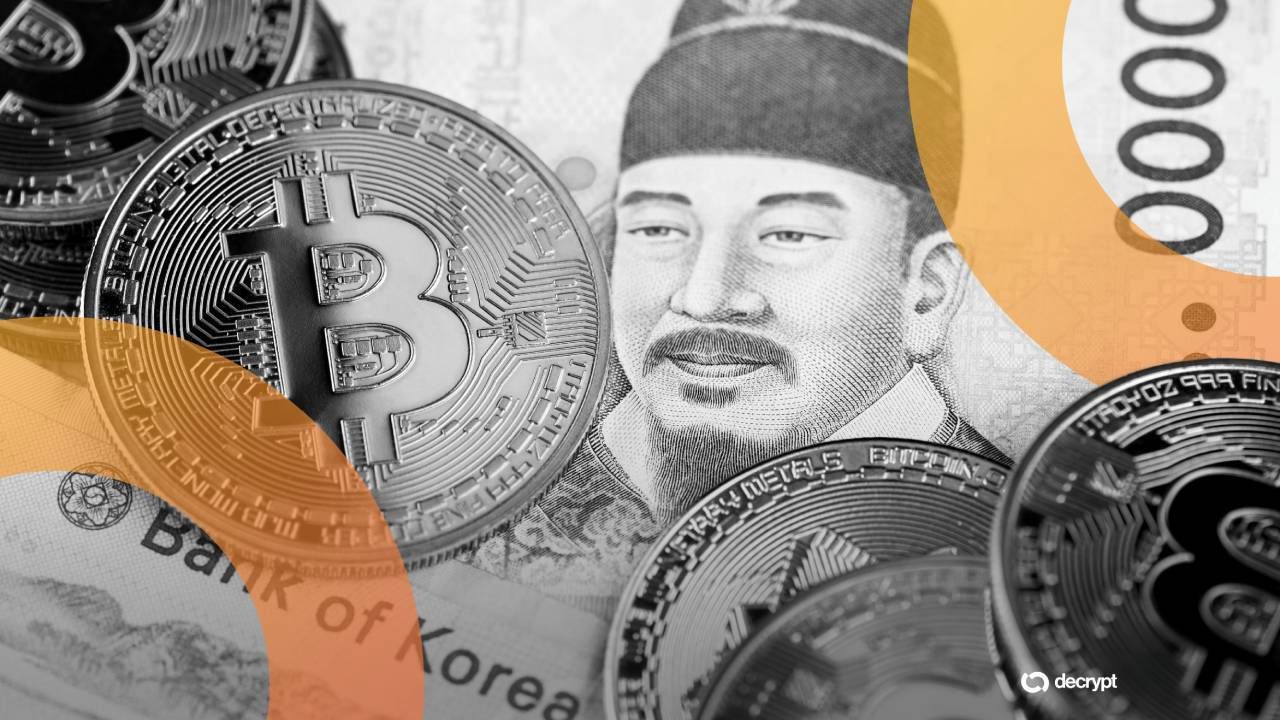
The Bank of Korea is expanding its digital currency trial to half a million users to test live government subsidies and determine whether blockchain payments can undercut traditional card networks.
The Bank of Korea will launch the second phase of its Project Hangang digital currency pilot in September, scaling the test to nine banks and a 500,000-user cap. Unlike the initial trial, this phase will process real government subsidy disbursements using programmable deposit tokens.
The central bank's first trial ran from April to June 2025, generating 114,880 transactions across 81,000 wallets. However, only 42% of those wallet holders actually spent anything, a weak engagement rate for an infrastructure build that cost banks roughly 30 to 35 billion won. To drive actual usage, Phase 2 introduces standard banking features like biometric approvals, person-to-person transfers, automatic top-ups and recurring payments.
Under the hood, the Bank of Korea issues a wholesale CBDC to financial institutions, which then mint deposit tokens for consumer use. Kim Dong-seop, head of the bank’s Digital Currency Planning Team, described the design as "a middle ground between a CBDC and a stablecoin." For retailers, the open-ended pilot will measure whether these blockchain-based tokens can meaningfully undercut the interchange fees charged by legacy card networks.
The inclusion of government subsidies marks a shift toward programmable money. The deposit tokens will feature embedded spending rules, locking funds to specific vendors, purposes or time windows to replace manual audit trails and reduce fraud. This architecture gives the state direct visibility and control over how targeted funds are spent at the point of sale.
"From the second phase, we will lay the groundwork for commercialization," a Bank of Korea official told Yonhap News Agency. The pilot expansion aligns with new Governor Shin Hyun-song's policy priorities following his appointment in April 2026.
The trial sits within a rapidly shifting domestic regulatory landscape. Hana Bank is already designing a won-backed stablecoin ahead of anticipated legislation, while the finance ministry plans to update a 76-year-old law to classify cryptocurrencies as national assets. However, the programmability central to South Korea's design faces sharp pushback globally. Civil liberties groups warn that spending restrictions and transparent ledgers invite state financial surveillance, a risk demonstrated by China's expiring digital yuan payments. The United States is moving in the opposite direction, having let a four-year ban on CBDC issuance become law on July 11.