Erbil Drone Attacks Expose Kurdish Air Defence Gap
The death of a US soldier from an Iranian drone underscores a critical air defence deficit in Iraqi Kurdistan that directly threatens its business environment and foreign investment.
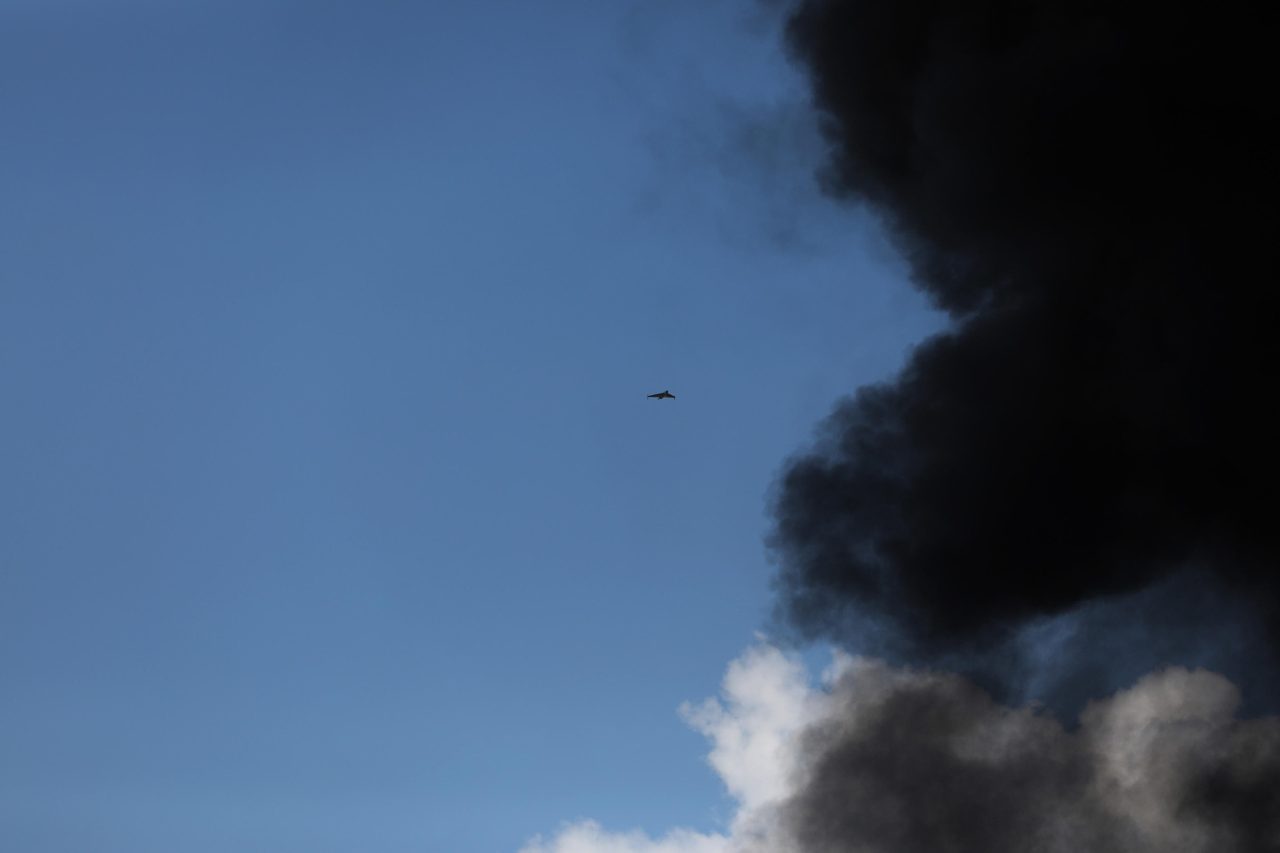
A US service member was killed in Iraqi Kurdistan during the controlled detonation of unexploded ordnance from a downed Iranian one-way attack drone, with another suffering minor injuries. The incident, confirmed by US Central Command, occurred just one day after an Iranian missile strike in Jordan killed two American troops.
For the financial community, the death highlights a severe and persistent security vulnerability in a region that has positioned itself as a stable economic hub. Between February 28 and July 17, Iraqi Kurdistan was hit by at least 904 drones and missiles, resulting in 29 deaths and 138 injuries. Despite an April 8 ceasefire, residents of the regional capital, Erbil, once again heard drone intercepts starting on July 15.
The risk to commercial interests is explicit. Tehran has not limited its aerial campaign to military targets. In unprecedented acts of aggression, Iran executed direct ballistic missile attacks against the private residences of wealthy Kurdish businessmen in Erbil in March 2022 and January 2024. While coalition air defenses at Erbil International Airport largely protect the base and its immediate vicinity, the broader commercial districts remain exposed to both militia and Iranian state threats.
This operational gap stems from a structural legal limitation: Iraqi Kurdistan is not a sovereign state. Because it lacks statehood, the landlocked autonomous region cannot independently procure the advanced air defence systems required to protect its territory and commercial centers on the international arms market.
This procurement deficit is a historical constant. During previous conflicts, Kurdish leaders repeatedly requested but failed to secure anti-aircraft weapons from Western allies, ranging from shoulder-fired Stingers in the 1990s to FGM-148 Javelins in 2003. The region's current leadership also expressed deep concern in 2012 over Iraq acquiring US F-16 fighter jets, fearing they could be used against the enclave.
Until the Kurdish region resolves its inability to import modern air defence technology, Erbil will remain uniquely exposed to drone and missile warfare. For executives and investors operating in the autonomous region, the inability to secure the airspace represents a baseline risk that cannot be easily mitigated through private security measures.