US report raises Cuba intervention risk amid deepening energy crisis
A State Department report accusing Cuba of orchestrating US left-wing activism signals the administration is laying the groundwork for potential intervention following an oil blockade that has crippled the island's power grid.
The US State Department on Monday released a report accusing Cuba of maintaining a sprawling network of influence over American left-wing and activist groups, a move that sharpens the threat of direct US intervention in the Caribbean nation.
The publication of the report, titled “Cuba: The Capital of 21st Century Communism,” represents a strategic escalation by Washington. It provides an ideological framework for the administration’s aggressive economic campaign against Havana, which has already disrupted regional energy flows.
The US has severely restricted Cuba’s oil supply by cutting off shipments from Venezuela after the capture of Venezuelan President Nicolas Maduro. Washington has also threatened sanctions against any nation supplying oil to Cuba. The resulting fuel shortage, compounded by a lack of investment in energy infrastructure, has triggered repeated collapses of the Cuban power grid in recent months.
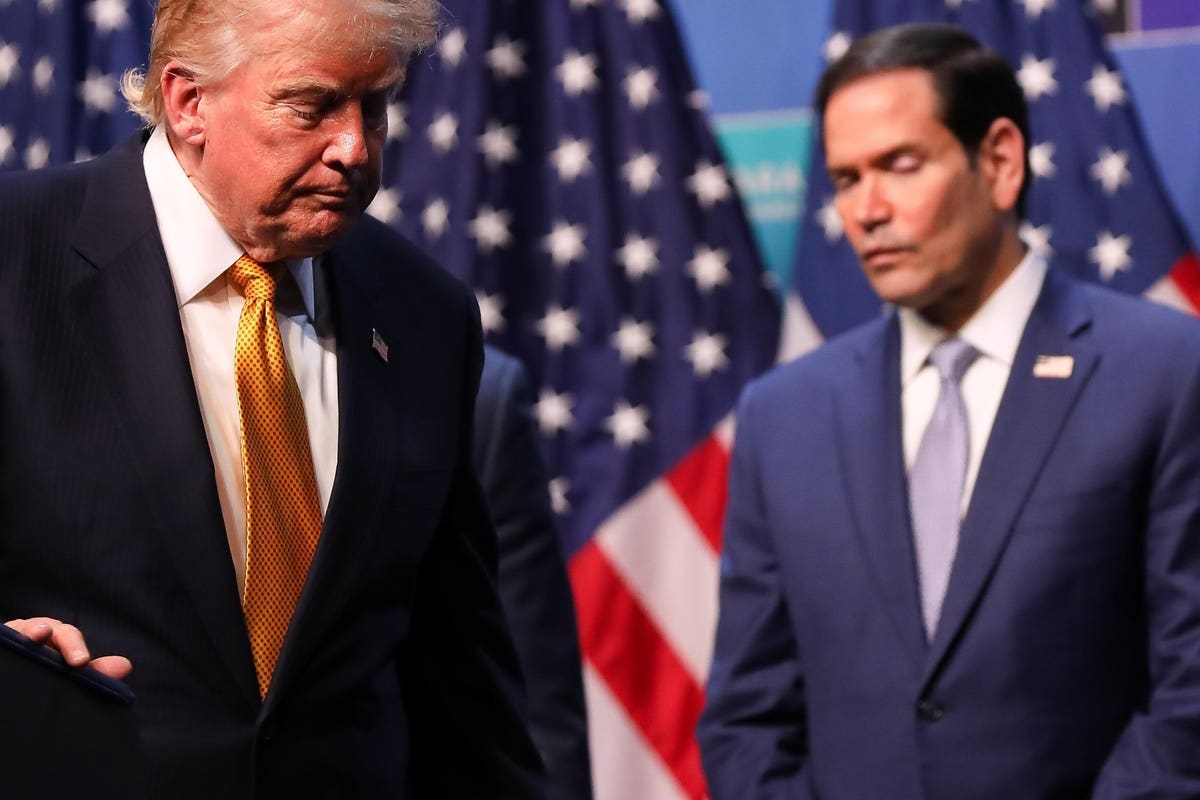
The geopolitical risk for investors and regional markets is escalating. President Donald Trump warned last week that “a lot of things are going to happen in Cuba over the next several months.” While he stated he does not “see it being like Venezuela”, noting Venezuela’s greater natural resource wealth, he has previously expressed a preference for a “friendly takeover” after stating “Cuba is next.”
To justify its hardline posture, the report targets domestic US organizations, including the Democratic Socialists of America and Black Lives Matter. “Many of the most significant upheavals in recent American political history, from the George Floyd riots to the rise of Antifa to the explosion of pro-terrorist activism on American college campuses, can be linked, in some way, shape, or form to Cuban influence,” the report alleges, calling Havana “the ideological capital of the modern radical left.”
The assertions have drawn sharp academic criticism. Michael Bustamante, a Cuban history professor at the University of Miami, said the document contains “highly questionable assertions that perversely replicate how Cuban govt portrays internal dissent as nothing but a foreign plot.” For markets, the historical debate is secondary to the policy trajectory, which points to sustained maximum economic pressure and extinguished near-term prospects for normalized trade or foreign investment.