Japan eyes raising GPIF alternative investments to 5% cap
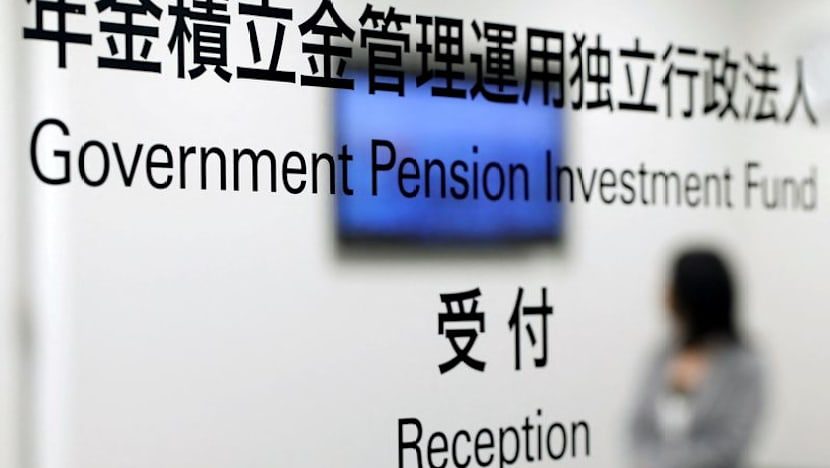
Japan plans to steer its $1.8 trillion state pension fund toward a 5% allocation in alternative assets, a shift that could drive massive capital into unlisted equities and real estate while supporting the weakening yen.
A forthcoming government report will recommend the Government Pension Investment Fund lift its allocation to unlisted shares, real estate and other alternative assets to its maximum permitted limit of 5%. The fund currently holds just 1.7% of its portfolio in such non-traditional assets as of March, leaving significant room for expansion under the existing regulatory framework.
The anticipated shift forms part of a broader push by Tokyo to channel domestic capital inward to support the national economy. Finance Minister Satsuki Katayama stated on Friday that the government aims to steer the $1.8 trillion GPIF and other state pension funds to "substantially" increase investments in domestic assets. Those comments immediately triggered a rally in both the Japanese yen and government bond prices, highlighting market sensitivity to the fund's strategic direction as officials attempt to bolster the weak yen.
For institutional investors and fund managers, moving a $1.8 trillion portfolio from a 1.7% to a 5% alternative allocation represents a massive structural shift in capital. Global and domestic private equity firms, real estate developers and infrastructure funds are positioned to be the primary beneficiaries of this inflow. Such a repositioning could fundamentally alter the competitive landscape for deal-making in Japan.
According to the reported details of the panel's findings, the primary objective is to broaden the scope of pension asset management and reduce overall investment risks. Allocating capital to assets that do not trade on public exchanges provides portfolio diversification away from the volatility of conventional listed shares and bonds.
However, shifting such vast sums into illiquid alternatives will require careful execution by GPIF executives. Large-scale capital injections into private markets can compress returns if deployment outpaces the availability of suitable investment opportunities.
The Ministry of Health, Labour and Welfare oversees the pension fund but was unavailable for comment outside business hours. The exact timeline for the panel's final report and the fund's subsequent implementation strategy remains pending, leaving markets to anticipate the formal mandate.