Endangered Species Act rollbacks threaten coastal bird recovery
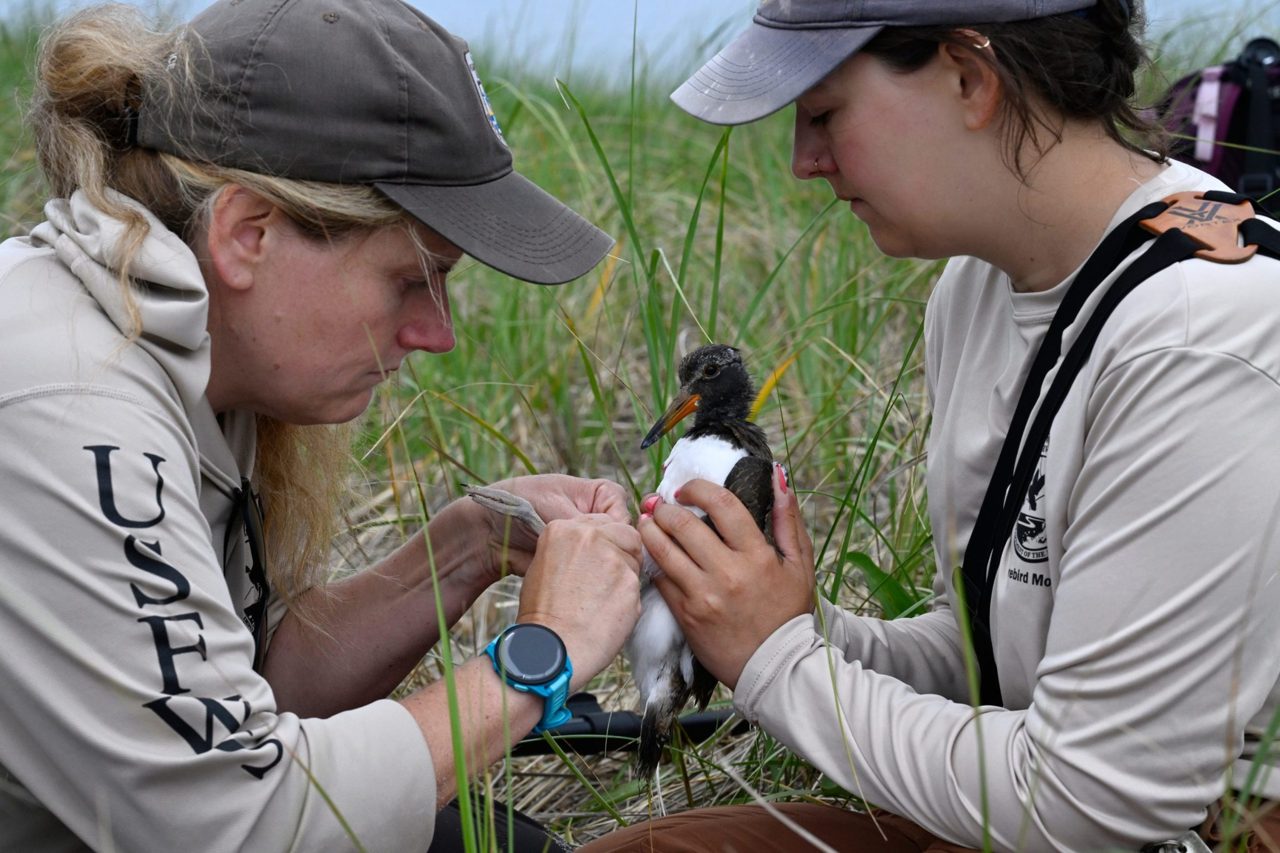
A decade-long, $10 million effort to restore the American oystercatcher population faces new headwinds from Endangered Species Act rollbacks that could open critical coastal habitats to energy and real estate development.
Environmental groups sued this week to block recent changes to the Endangered Species Act that could undermine a decade-long, $10 million effort to restore the American oystercatcher population. The new regulations allow oil and gas drilling, mining, logging, and other development in critical coastal habitats, provided the animals themselves are not directly harmed. Conservationists warn the rule change effectively opens the door to habitat destruction that could reverse years of recovery.
From 2008 to 2023, oystercatcher numbers along the Atlantic and Gulf coasts grew by 45%, reversing a decline that had largely wiped out the species in New England by the early 20th century. This recovery was driven by a coalition of 35 organizations across 16 states that identified site-specific threats like predators and human disturbance. However, the birds remain heavily dependent on the same coastal ecosystems now targeted for expanded commercial and industrial use.
For energy executives, real estate developers, and investors, the regulatory shift signals a potential easing of coastal land-use restrictions that have long constrained projects. “It’s a direct attack on the protections that have allowed many of these shorebird species to recover,” said Alan Kneidel, a senior conservation biologist with Manomet Conservation Sciences. The legal challenge highlights the ongoing friction between conservation costs and commercial development in sensitive coastal zones.
Beyond regulatory risks, the species faces escalating biological costs from climate change, requiring ongoing financial investment from state governments. Rising seas and erosion are washing out nests, forcing states like Georgia to build elevated oystershell platforms and utilize dredged material from shipping channels to maintain artificial nesting islands. “There’s going to be loss of habitat due to sea level rise so we have to make sure that we do what we can to provide the habitat that we can so they can get through this next bottleneck,” said Lindsay Addison, a coastal biologist with Audubon North Carolina.
The oystercatcher's adaptability has allowed it to nest in unconventional locations like rooftops, but its long-term survival ties directly to the management of coastal infrastructure. In North Carolina, where breeding pairs have increased nearly 20% to 403, Audubon is actively replenishing shell rakes along the Cape Fear River. If the new federal rules stand, the millions spent on targeted conservation could be offset by unchecked habitat degradation.