John Healey named UK chancellor after defence resignation
John Healey's surprise appointment as chancellor signals a potential shift in UK fiscal priorities after his principled resignation over inadequate defence spending helped topple the previous government.
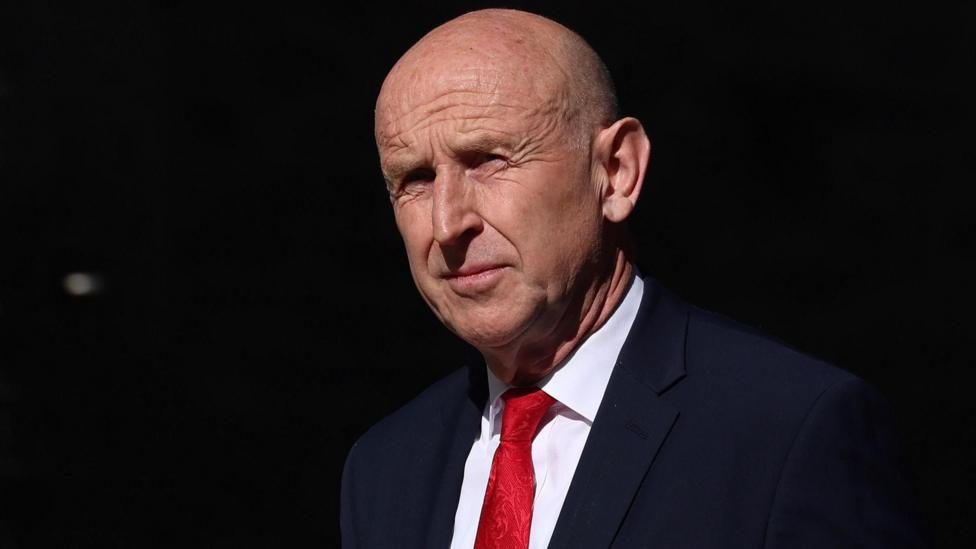
John Healey has been appointed Chancellor of the Exchequer by Prime Minister Andy Burnham, replacing Rachel Reeves just weeks after his shock resignation as defence secretary brought down Keir Starmer's government.
The 66-year-old's return to cabinet in the most powerful economic role in government was not widely anticipated. His name had not circulated among frontrunners in the speculation preceding the appointment.
Healey resigned as defence secretary last month after condemning the government's delayed defence investment plan as falling "well short of what is required for defence and the country at this dangerous time." His resignation letter explicitly accused the Treasury, then under Reeves, of being "unwilling" to "commit the resources that the nation needs to defend the country at this time of rising threats."
That direct clash with his predecessor now takes on fresh significance. As chancellor, Healey will control the funding he previously argued was being withheld. He made clear during his time at the Ministry of Defence that he wanted a credible path to increasing UK defence spending to 3% of GDP by 2030. Fulfilling that ambition from the Treasury would require finding additional billions in a fiscal environment where Reeves had prioritised restraint.
Treasury experience
Unlike many recent chancellors, Healey brings direct experience of the department. He held ministerial posts at the Treasury under Tony Blair and Gordon Brown in the 2000s and served as Brown's parliamentary private secretary. That grounding in fiscal operations contrasts with Reeves, whose career before becoming chancellor was primarily in banking at the Bank of England and HBOS.
Sources told the BBC that Healey and Burnham share an outlook on "reindustrialisation, the cost-of-living, and driving growth across the country." For investors, that alignment suggests the new chancellor is unlikely to face the kind of internal friction over spending priorities that defined his relationship with the previous prime minister.
Defence spending implications
Healey drove a £9bn spending plan for armed forces families' housing while defence secretary and was a staunch advocate for Ukraine, making multiple trips to meet President Zelensky. His insistence on what he called an end to "Treasury trickery" over defence funding now puts him in a position to resolve the very grievances he aired.
Financial markets will be watching for early signals on whether Healey's defence commitments translate into higher overall spending, tax increases, or reprioritisation within existing budgets. His reputation as a loyal operator who does not brief against colleagues suggests fewer leaks and more predictable policymaking — a quality markets typically reward.
Healey has served on the Labour frontbench almost continuously since 2001 and retained his Rawmarsh and Conisbrough seat with a majority of 6,908 at the 2024 election, with Reform UK in second place. His low-key style belies a capacity for blunt messaging, as demonstrated in April when he publicly warned Vladimir Putin that any attempt to damage undersea cables and pipelines "will not be tolerated and will have serious consequences."