British food and drink exports to EU collapse by more than a third since Brexit
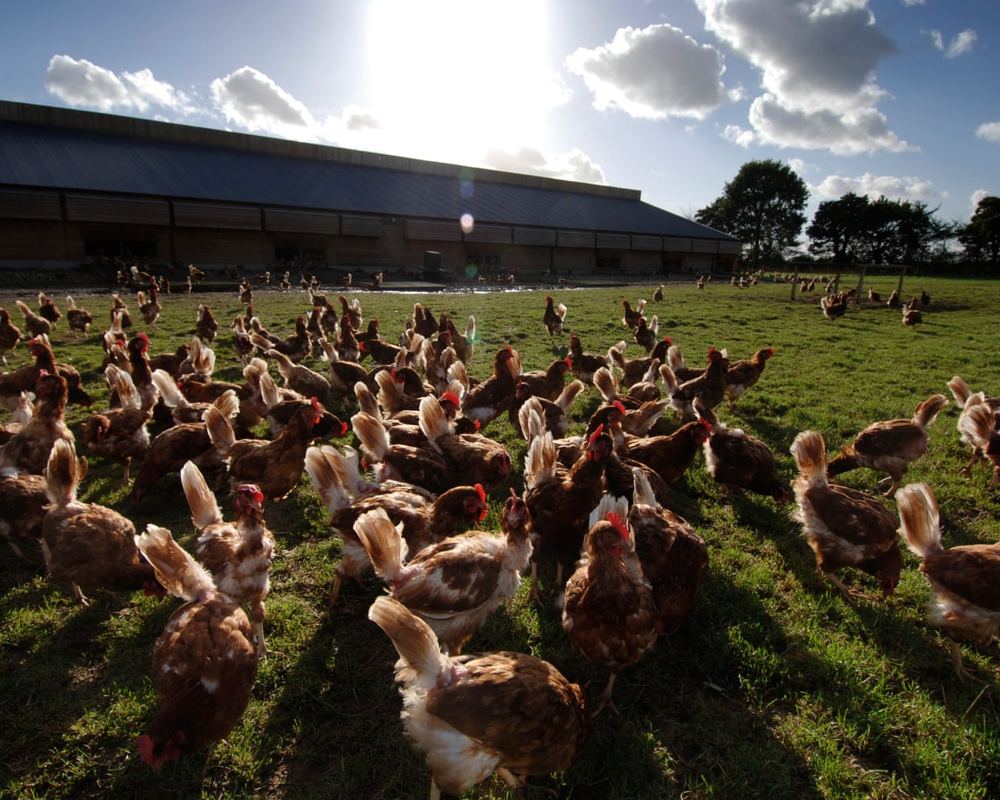
NFU analysis of official data shows falls in exports to UK’s largest trading partner since 2019 include 70% for sugar and 74% for egg products Exports of British food and drink to the EU have collapsed by more than a third since Brexit with eggs, chicken and potato producers badly hit, new figures show. Analysis by the National Farmers’ Union (NFU) of HMRC data shows a sharp fall in exports in the year to July compared with the same period in 2019, with sugar dropping the most, down 70%. Continue reading...
NFU analysis of official data shows falls in exports to UK’s largest trading partner since 2019 include 70% for sugar and 74% for egg products
Exports of British food and drink to the EU have collapsed by more than a third since Brexit with eggs, chicken and potato producers badly hit, new figures show.
Analysis by the National Farmers’ Union (NFU) of HMRC data shows a sharp fall in exports in the year to July compared with the same period in 2019, with sugar dropping the most, down 70%.
Data for the first seven months also shows poultry exports fell 53%, with eggs and egg products sold for confectionary and baking industries down 65% for the same period.
Full-year data from 2019 to 2025 showed an even deeper impact since Brexit with exports of eggs and egg products down 74%.
The NFU president, Tom Bradshaw, said: “The EU is our largest trading partner for agri-food products, accounting for 68% of agri-food exports last year, but trade volumes have fallen over a third since 2019.”
Boris Johnson’s government signed a deal on the UK’s future trading and security relationship with the EU in late 2020, after the UK’s formal exit earlier that year.
Andy Burnham is reconsidering Labour’s red lines on EU membership under pressure to repair the economic damage of Brexit. Economists estimate the cost to the UK economy has been up to £240bn so far.
Food exporters have long complained over the added paperwork that Britain’s exit has brought. Since Brexit all food exports are required to have customs paperwork with different codes for every single product. This includes, for example, every variation of an egg product, whether it is fresh, dried, steamed, shelled, or contains added water or sugar. The paper pulp used in egg cartons as well as the eggs also need health certification to show they are free of disease.
Also hit hard by Brexit is the horticultural sector with seed potatoes from Britain, mainly Scotland, banned from the EU after trade negotiators failed to agree on equivalent standards in the Brexit trade and cooperation agreement in 2020. Horticultural exports fell more than 50%.
Pre-Brexit, Scotland exported around 20,000 tonnes of seed potatoes, worth almost £11m, to Europe each year.
Speaking in parliament earlier this week Andy Burnham said that Brexit trade barriers meant “entire truckloads of plants or fresh product can be destroyed because of a single missing stamp or minor paperwork delay”.
He hoped to “land a positive outcome” in the upcoming UK-EU reset talks with a new agreement removing many of the sanitary and phytosanitary checks on fresh farm produce exports that came in after Brexit.
Burnham told MPs: “Our largest food export, Scottish salmon, faces a 100% rate of document checks at the border, costing us around £100m in lost exports.
“British burgers and other fresh meat products cannot be sold in the EU. Seed potatoes from Scotland and shellfish from Wales are banned. This is having a real impact on businesses and the agreement on the table could reverse some of that damage.”
A deal to ease sanitary and phytosanitary (SPS) checks was largely agreed in May giving food producers time to prepare for changes expected to come in next summer, but key details remain to be finalised.
The NFU is calling for “transition arrangements” for some UK crops that have been grown with fungicides or breeding techniques not yet approved in the EU.
This is to allow those harvesting this autumn and winter to make use of the new export freedoms when they come in next year.
Bradshaw said: “British farmers and growers must retain access to precision breeding technologies that will help to strengthen food resilience to extreme weather and to science-based plant protection products that help protect food being grown for 29m households from pests and diseases.
“Any changes must also provide an appropriate transition period to minimise disruption for farm businesses and we will continue to make this case to government while we await the final agreement.”