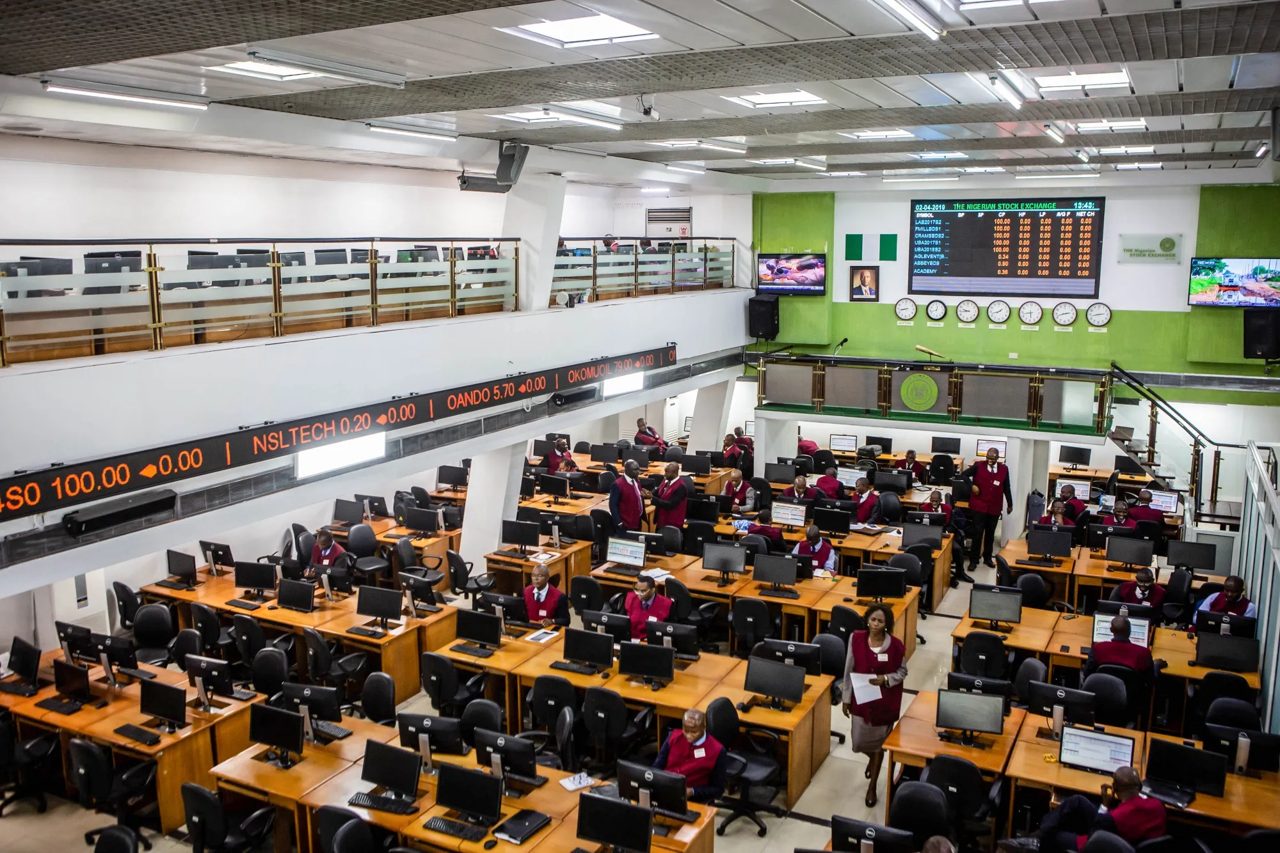
Panama buys US firm's 41% stake in US-bound oil pipeline
Panama is acquiring the remaining private stake in a strategic US-bound oil pipeline through a pre-agreed contractual mechanism, a move that avoids adding sovereign debt while testing market confidence in state-run energy logistics.
Panama’s government announced it will acquire the 41% stake in the Panama Petroterminal held by U.S.-based NIC Holding Corp, bringing the trans-isthmus oil pipeline under full state ownership. The purchase price remains undisclosed but will be set by a pre-agreed formula tied to the company’s audited financial statements. Once finalized, the transaction will dissolve a nearly 50-year public-private partnership originally established in 1977.
The state is funding the buyout entirely through the pipeline’s own cash flow and generated income. This approach ensures the acquisition will not require new public debt, extraordinary budget allocations, or tax increases. For an emerging market administration, securing a strategic logistics asset without straining sovereign balance sheets is a fiscally disciplined approach.
The government stressed this is a contractual execution under Clause 10 of the original 1977 Association Agreement, explicitly not an expropriation. This legal distinction carries weight for foreign capital monitoring sovereign risk in Latin America. By following a mutually signed, decades-old roadmap for the buyout, Panama is projecting a message of respect for binding legal agreements and private property rights.
The pipeline itself holds outsized importance for regional energy logistics. It transports crude and petroleum products from the Caribbean to the U.S. East Coast, providing a critical alternative route for oversized tankers that cannot navigate the Panama Canal. Full state ownership insulates this bypass route from canal congestion or transit restrictions, giving the government undivided authority over its operations.
International oil shippers and U.S. East Coast refineries will now watch for shifts in pricing and service reliability under state management. While government control can eliminate shareholder friction and streamline long-term capital expenditure decisions, state-run energy infrastructure often faces scrutiny over operational efficiency. To calm these market concerns, the government has guaranteed job stability, continuous supplier contracts, and uninterrupted service throughout the transition.
Capturing the pipeline’s full economic value is central to President José Raúl Mulino’s broader infrastructure strategy. The administration intends to redirect future dividends into expanding Panama’s energy, maritime, and logistics sectors to reinforce its status as a global transport hub. The deal's closing awaits the final application of the valuation formula, moving state ownership from 59% to 100%.