Universal's Scarcity Play Validates $375M Odyssey Bet
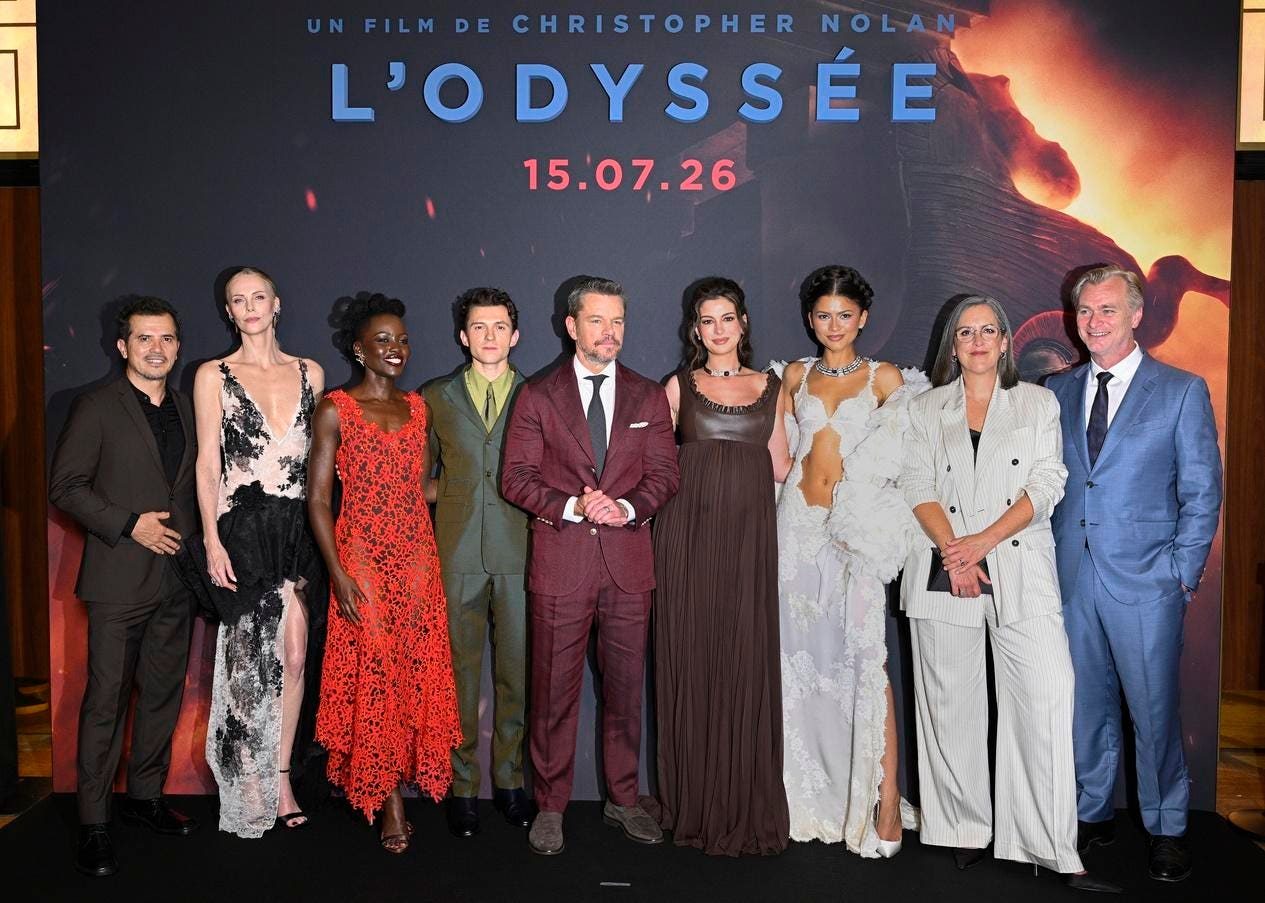
Universal Pictures justified its $375 million investment in Christopher Nolan’s “The Odyssey” with a record $260 million global debut, proving that scarcity-driven marketing and extended theatrical windows can still deliver outsized returns.
Christopher Nolan’s “The Odyssey” opened July 17 with an estimated $124 million domestic weekend and over $260 million globally, marking the biggest domestic launch of Nolan’s career. For Universal Pictures, the opening weekend returns immediately justify a heavy capital outlay: a reported $250 million production budget paired with roughly $125 million in marketing spend.
The studio achieved these numbers by abandoning the modern industry playbook of digital saturation. Universal treated footage as a scarce commodity, debuting teasers exclusively in cinemas alongside films like "Jurassic World Rebirth" and withholding an online trailer until late in the cycle. When the countdown trailer finally went wide, it generated 121.4 million views in 24 hours, setting a new studio record and topping the 113 million benchmark set by "Wicked: For Good."
This scarcity translated directly into revenue protection through structural changes to the release calendar. Universal committed to an extended minimum five-week theatrical window for "The Odyssey" and other 2026 releases, moving away from the roughly three-week windows that became common during the pandemic. The studio also leaned heavily into premium pricing, putting IMAX 70mm tickets on sale a full year ahead of release, a move theater chains tied directly to the $190 million IMAX gross of Nolan's previous film, "Oppenheimer."
Managing downside risk was central to the campaign. Universal scrapped standard influencer advance screenings to prevent premature plot disclosures that could flatten a mystery-box narrative, screening the film only for critics after its London premiere. The studio also declined to aggressively manage a high-profile casting controversy that drew an estimated 542,000 trailer dislikes, choosing to let the discourse run rather than divert marketing resources to contain it.
For studio executives and investors, the financial lesson is clear: protecting the theatrical experience can drive higher debut yields than broad, shallow digital marketing. However, the campaign left obvious growth levers unpulled. By ignoring short-form video content, behind-the-scenes production diaries, and music marketing tie-ins involving Travis Scott and composer Ludwig Goransson, Universal missed a secondary audience acquisition channel. Future capital allocation for mega-budget releases will likely require pairing this theatrical discipline with digital outreach to capture younger demographics.