GE Aerospace profit surges on Boeing-driven $210bn backlog
GE Aerospace beat second-quarter estimates and raised full-year guidance as a ramp-up in Boeing production drives a $210 billion engine and services backlog.
GE Aerospace reported a 22% increase in second-quarter adjusted earnings per share to $2.02, comfortably beating estimates. Revenue grew 21% as the manufacturer generated $3.03 billion in quarterly free cash flow, underscoring the lucrative nature of its current production cycle.
Management lifted full-year 2026 guidance, targeting adjusted EPS of $7.65 to $7.85 and free cash flow of $8.90 billion to $9.20 billion. Operating profit is now expected to reach $10.55 billion to $10.75 billion. This outlook is anchored by a $210 billion backlog spanning new engine orders and long-term services contracts.
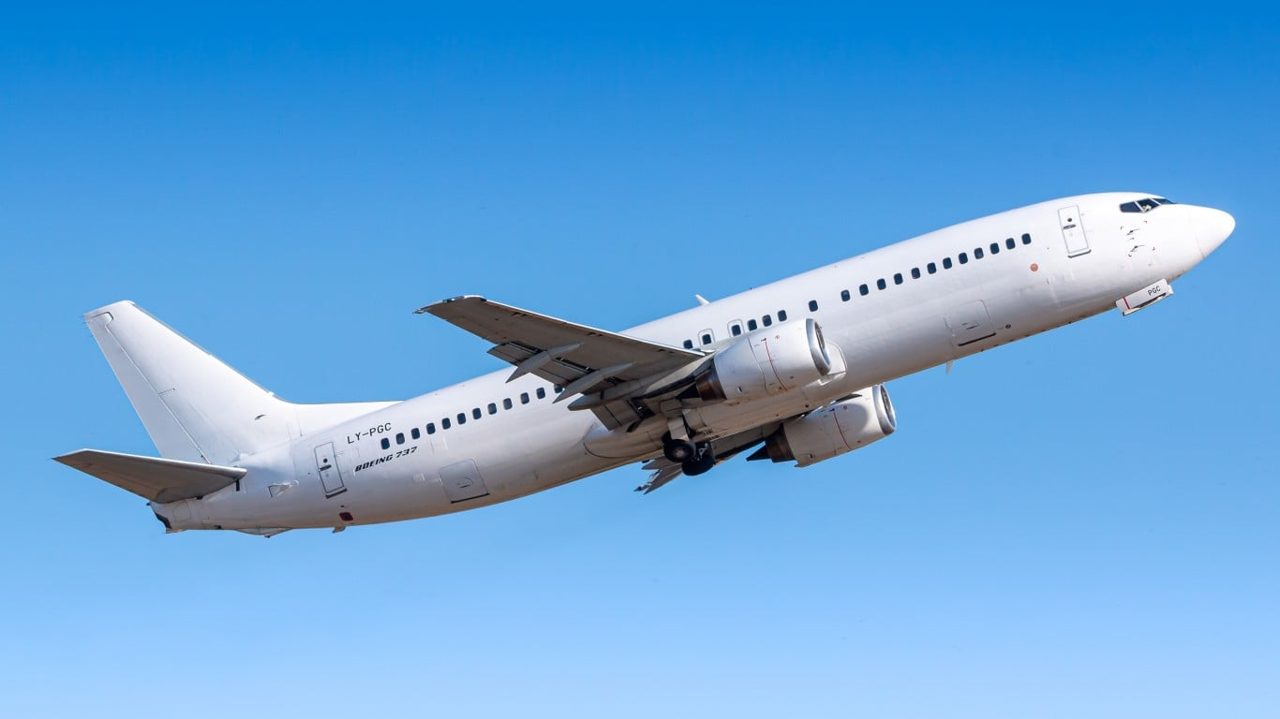
The scale of that order book is directly tethered to the ongoing ramp in Boeing production. Boeing is currently assembling 737 aircraft at a rate of 42 per month and 787s at eight per month. With Boeing holding a $695 billion commercial backlog of its own, GE is positioned to supply LEAP engines for the 737 MAX and GEnx engines for the 787 for years to come.
The surge in new engine deliveries is already translating into robust aftermarket demand. Engine deliveries climbed 31% in the first half of the year, while aftermarket spare parts revenue surged over 30% in the same period. Commercial Engines & Services revenue jumped 27% to $9.73 billion, and Defense & Propulsion Technologies rose 16% to $3.44 billion.
Looking beyond current cash flows, Chief Executive Larry Culp pointed to a hybrid-electric milestone at the Farnborough Air Show. A SAAB A340 testbed flew across the Atlantic on partial hybrid-electric power, developed in collaboration with Boeing, Beta Technologies, and NASA.
"We had the first ever high altitude hybrid electric flight crossing the Atlantic to bring that plane here. This is a first of its kind. And as you might imagine, we're terribly excited," Culp said. However, he was careful to manage expectations for commercialization, noting "nothing imminent in terms of a product launch." He characterized the flight as "a strong proof point that hybrid electric will be part of that next generation commercial offering."
For investors, the immediate priority remains the execution of the current ramp. "Customers that we talk to are very keen to see us continue to ramp in partnership with our airframe partners," Culp said.