Judge pauses Paramount's $110B Warner Bros deal
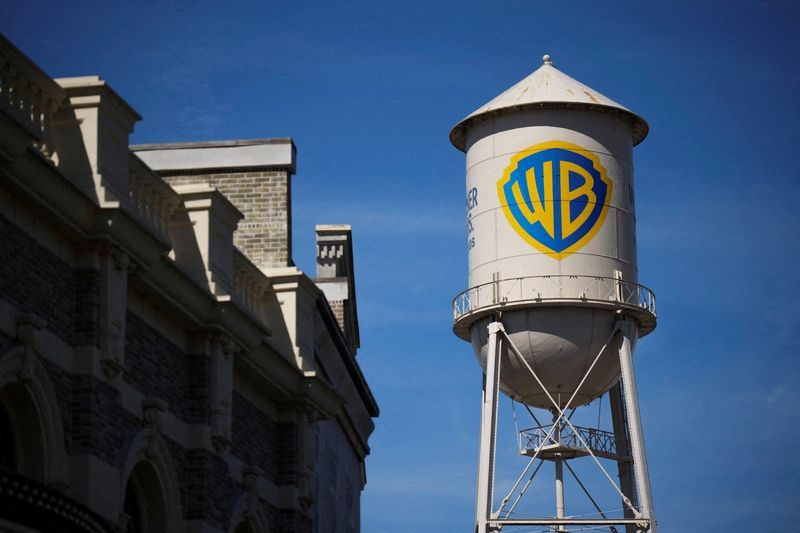
A federal judge has temporarily halted Paramount’s $110 billion acquisition of Warner Bros. Discovery, throwing a major regulatory roadblock into CEO David Ellison’s strategy to build a streaming rival to Netflix and Disney.
A California federal judge ordered Paramount to temporarily halt its $110 billion acquisition of Warner Bros. Discovery on Monday. The ruling grants a coalition of 12 states a critical pause on the transaction, preventing the companies from integrating their operations while the underlying antitrust litigation proceeds in Oakland.
California and 11 other states initiated the lawsuit on July 13 in an Oakland federal court. The coalition asserts that combining the two legacy studios would construct a media behemoth with outsized market power. Regulators warned that this newly formed entity would be positioned to raise licensing and distribution prices across the film and television industries.
To secure the temporary blockage, the states focused on the practical difficulties of unwinding a corporate merger. They argued that if the deal were permitted to close, Paramount would rapidly begin sharing competitively sensitive information with Warner Bros. and executing planned job cuts. Courts generally view such operational entanglements as difficult to reverse if a merger is ultimately deemed illegal.
This legal roadblock directly threatens the core strategic vision of Paramount CEO David Ellison. The $110 billion transaction is designed to pool intellectual property and subscriber bases, transforming Paramount into a scaled media company capable of challenging the established streaming dominance of Netflix and Disney.
Paramount has forcefully rejected the states' legal theory. The company maintains that the lawsuit distorts settled antitrust precedents. In its defense, Paramount warned that delaying the transaction does not protect competition, but rather punishes entertainment workers who have already absorbed severe financial losses during years of industry disruption and layoffs.
For market participants, the ruling injects immediate uncertainty into the valuation and execution of one of the largest media mergers in history. It demonstrates that state attorneys general are willing to aggressively intervene in media consolidation, forcing executives and investors to weigh prolonged regulatory litigation risks alongside their strategic efforts to achieve necessary scale against dominant streaming platforms.