Gilt yields rise above 5% as new UK PM Burnham tests fiscal rules
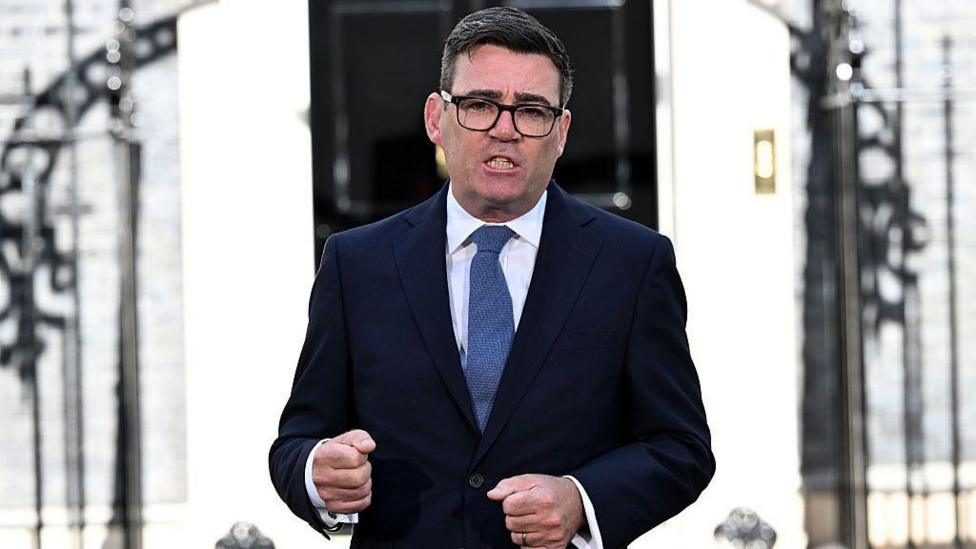
UK government borrowing costs climbed above 5% as new Prime Minister Andy Burnham took office, signalling that investors are closely watching how he will reconcile ambitious spending plans with strict fiscal constraints.
Andy Burnham has appointed John Healey as chancellor as part of a cabinet overhaul, but the immediate market reaction underscored the financial constraints of his new role. The UK's 10-year borrowing rate climbed above 5% on Monday, a divergence from other European economies, following suggestions that the new government might tweak its borrowing rules.
The market sensitivity stems from Burnham’s reference to using "flexibility" within fiscal rules to fund cost-of-living support. This flexibility reportedly involves exempting certain financial institution borrowings from debt measures, a mechanism previously used for green energy that could extend to housing and infrastructure. Healey moved quickly to soothe bond traders, stating he would work "in lockstep" with the prime minister "to meet the fiscal rules with a buffer against uncertainty" following a call with Bank of England governor Andrew Bailey.
Healey's appointment introduces immediate questions about spending priorities. He resigned as defence secretary last month while demanding more military funding, a push that previously cannibalised transport and energy infrastructure budgets. As chancellor, he must now balance funding a multi-billion pound Defence Investment Plan against Burnham’s wider goals of national devolution and rebuilding.
Welfare and housing present further fiscal pressures. Burnham has redirected housing budget funds to tackle rough sleeping in the short term, while pinning long-term hopes on mass council house building. On welfare, he plans to leverage Alan Milburn’s review to drive "sustainable reform," likely channelling job support and mental health funding through local mayors to reduce overall benefit bills.
To fund these initiatives without breaking borrowing limits, the government is weighing tax adjustments. Number 10 is seriously considering unfreezing the income tax threshold, a move backed by major unions representing public sector professionals earning around £50,000. Lifting the basic rate threshold from £12,570 to £13,000 and the upper threshold from £50,271 to £52,000 would cost at least £4bn, while reversing the freeze entirely would be far more expensive.
The former chancellor, Rachel Reeves, had extended Rishi Sunak's nine-year threshold freeze until 2030-31, a policy currently pushing one in six workers into the 40p tax bracket. Unfreezing it would add to a growing list of net spending proposals. For investors, the core question is whether Burnham's promised structural rewiring of the economy can generate growth fast enough to outpace these immediate fiscal demands.