Tepper’s Appaloosa Targets AI Stack with Major Uber and Micron Positions
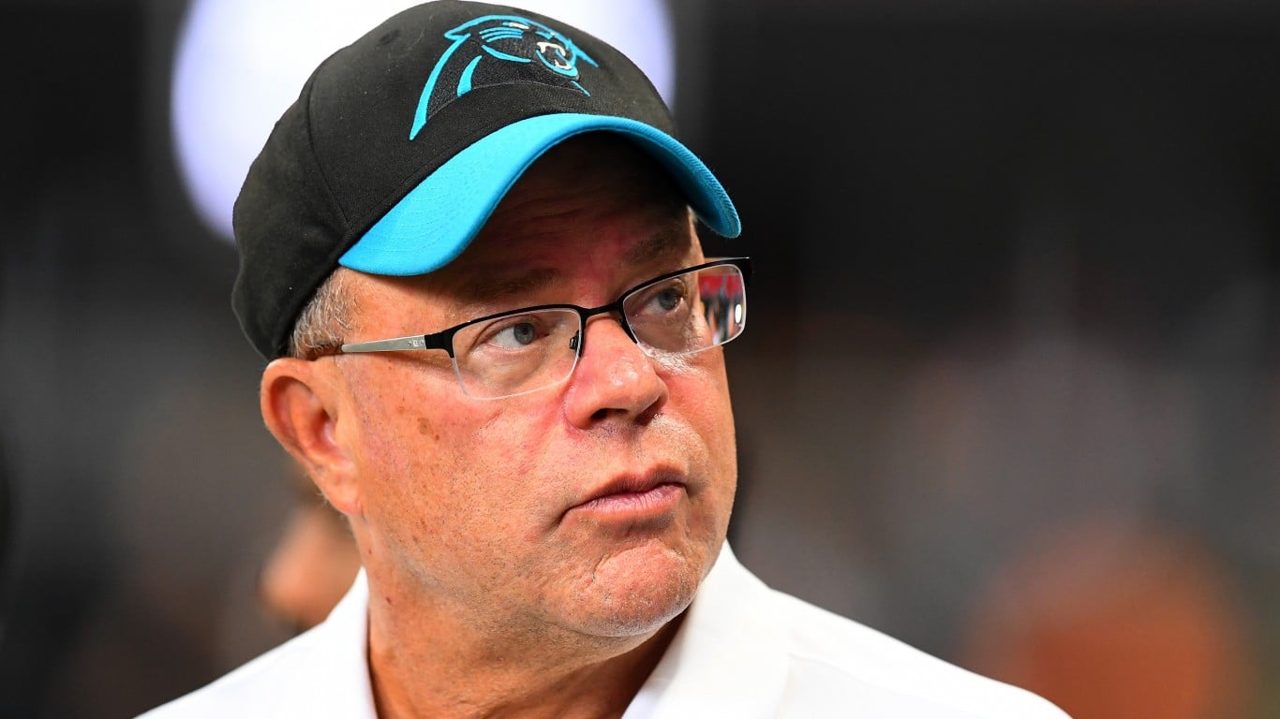
Appaloosa Management’s latest 13F filing reveals David Tepper is concentrating his largest equity bets across the artificial intelligence supply chain, signaling a comprehensive approach to the technology's commercial expansion.
Appaloosa Management’s latest 13F filing reveals David Tepper is concentrating his largest US-listed equity and ADR bets across five companies that span the entire artificial intelligence stack. The portfolio covers memory, foundry, cloud, hyperscaler, and autonomous mobility sectors, with one position already rising 152.58 percent since the regulatory disclosure.
Amazon represents Tepper’s largest position in the filing, carrying a targeted 31 percent upside. This hyperscaler exposure complements his broader strategy to capture value across every layer of AI infrastructure and application.
In the memory sector, Tepper has heavily backed Micron Technology, which trades at a forward price-to-earnings ratio of six despite posting 345 percent revenue growth. High bandwidth memory has become a critical bottleneck for GPU clusters deployed in 2026, and Micron remains one of only three global suppliers capable of meeting this demand.
Chief Executive Sanjay Mehrotra has secured multi-year Strategic Customer Agreements to lock in this capacity. Highlighting the "strategic value of memory in the AI era," the company is currently shipping HBM4 in volume and expects to deliver HBM4E in 2027.
Outside of semiconductor manufacturing, Tepper’s portfolio includes a major wager on Uber Technologies to capture applied artificial intelligence in the mobility sector. Chief Executive Dara Khosrowshahi has positioned the ride-hailing platform to integrate autonomous vehicle supply from partners like Zoox and Waymo in Las Vegas and Los Angeles.
Khosrowshahi stated the company has a "clear path to becoming the largest facilitator of AV trips in the world." Every autonomous mile routed through the application generates margin without the company paying a human driver, fundamentally altering its cost structure.
The financial flywheel accelerated in the first quarter of fiscal 2026, with gross bookings reaching $53.72 billion, a 25 percent year-over-year increase. Total trips hit 3.6 billion, while the Uber One membership base surpassed 50 million users and now drives half of all gross bookings.
Uber generated $2.286 billion in free cash flow during the quarter, which funded a $3.011 billion share repurchase program. Looking ahead, second-quarter guidance projects non-GAAP earnings per share between $0.78 and $0.82, representing a 31 to 38 percent increase.
Market sentiment remains highly optimistic regarding the ride-hailing giant's autonomous transition. Shares recently traded at $73.00 against a base-case analyst target of $122.61, implying 67.96 percent upside, with 88 percent of covering analysts maintaining a bullish rating.