Tunisia utility debt hits 7.36bn dinars amid political risk
A severe drought and years of underinvestment have driven state utility STEG to the brink of insolvency, exposing Tunisia to acute energy security and political risks after the country spurned an IMF bailout.
Tunisia’s state electricity and gas company STEG is drowning in debt, exposing a deepening energy and water crisis that threatens the country's fragile economic stability. By June 2026, STEG’s liabilities had swelled to 7.36 billion dinars, while unpaid bills owed to the company reached 6.06 billion dinars. This severe financial stranglehold has left the utility incapable of funding new power generation capacity or maintaining existing infrastructure.
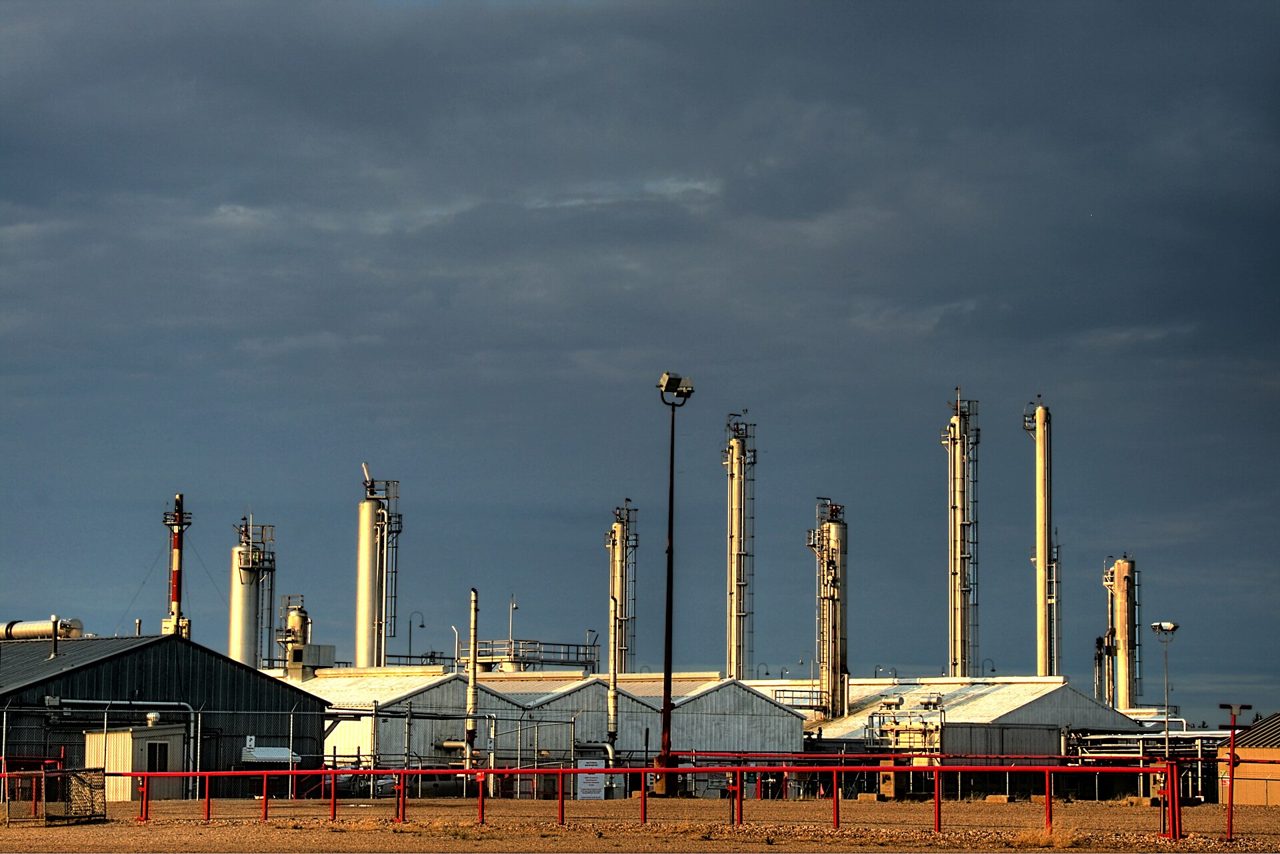
A member of parliament’s finance committee attributed the collapse to years of poor governance and underinvestment rather than a simple lack of financing. The utility's structural flaws are compounded by an acute reliance on imported fossil fuels. Tunisia generates roughly 98.1 percent of its electricity from natural gas, leaving its power supply highly exposed to external market shocks.
Simultaneously, the country is navigating its most severe recorded drought. Dam levels have fallen to roughly 17 percent of capacity, prompting the state water utility to begin rationing in March 2023. According to UN-backed figures, more than 650,000 rural Tunisians are currently without running water at home, even as agricultural and tourist sectors continue to consume heavily. Drinking water prices jumped by up to 16 percent in March 2024.
The energy and water emergencies are tightly intertwined. Gas-fired power plants require significant water resources to operate, creating a feedback loop that accelerates resource depletion. A shift toward green hydrogen and renewable energy, backed by the European Union and Germany, has been proposed as a long-term fix. However, civil society groups caution that these projects could further drain scarce water supplies if poorly managed.
On the macroeconomic front, Tunisia’s options are severely constrained. The rejection of an International Monetary Fund programme has left the country without a traditional financial safety net, increasing its balance-of-payments vulnerability. To bridge the gap, Tunis has grown deeply dependent on Algeria. Algiers supplies roughly two-thirds of Tunisia’s imported natural gas and extended $650 million in loans and central bank deposits between 2020 and 2022.
This reliance on a single foreign backstop makes the recent political turbulence particularly alarming for investors. President Kais Saied’s unexplained two-week absence in July 2026 fuelled speculation about a heart attack, reported by Italian newspaper Il Foglio. Although Saied resurfaced in a Facebook video to call the health rumours "crazy," the incident laid bare the systemic risks of a state apparatus centered on one individual. Any sudden leadership vacuum could quickly destabilize a country already drifting without a macroeconomic anchor.