Ford Canada locks in Unifor deal, C$1.25bn engine bet
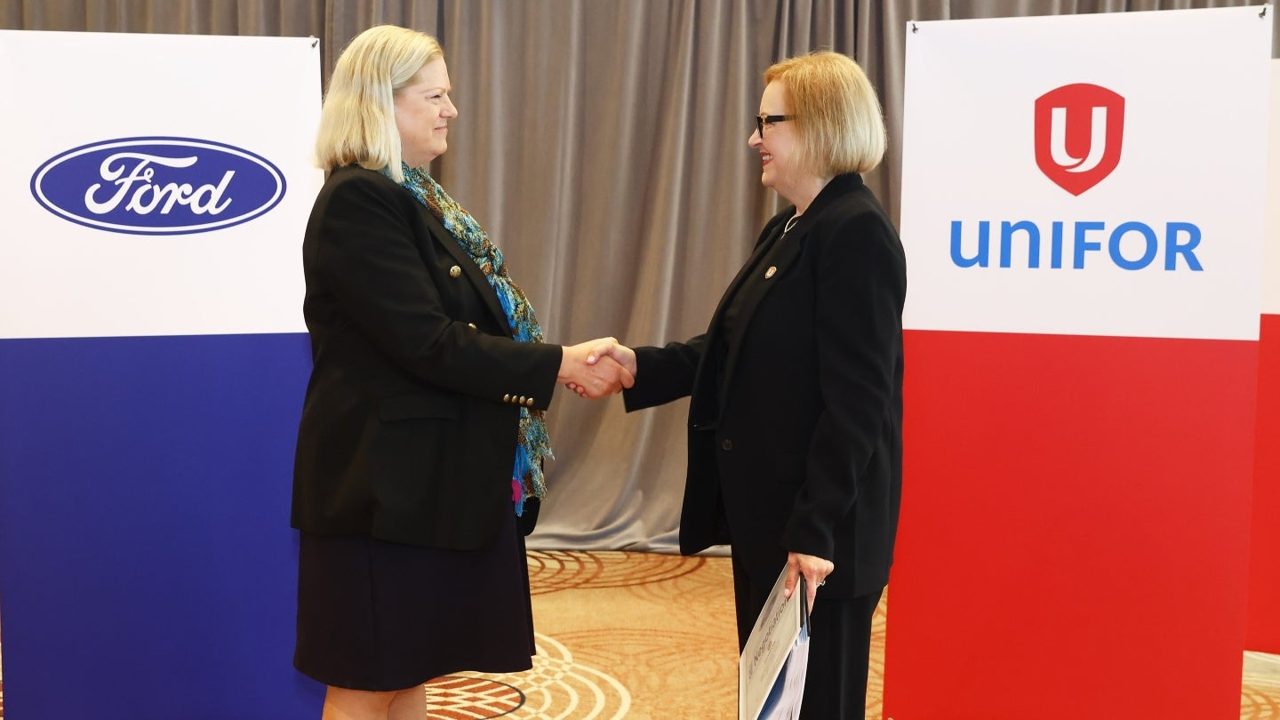
Ford Motor has ratified a three-year contract with Unifor, pledging C$1.25bn to boost internal combustion engine output and secure supply chains against Asian import competition.
Ford Motor of Canada has secured a new three-year labour agreement with the Unifor union, concluding negotiations that cover more than 5,000 hourly workers. The ratified contract locks in a 9% general wage increase over its lifespan alongside C$1.25bn ($891.3m) in dedicated manufacturing investments.
The capital allocation underscores a deliberate strategy to maximise returns from legacy internal combustion line-ups. A core component of the funding is a C$700m injection into the Essex Engine Plant in Windsor, Ontario. This targets increased output of the 5-litre engine and sustains growth of the 7.3-litre engine, with provisions for a possible third production shift.
The remainder of the new investment commitment consists of a previously confirmed C$550m earmarked for the Oakville Assembly Complex. This builds on an earlier C$5bn outlay that converted Oakville into a Super Duty truck assembly site and introduced Ford’s first Canadian stamping operations. Ford of Canada employs roughly 6,500 people directly, with an additional 20,000 working across its 430 dealerships.
For investors monitoring labour cost inflation, the contract terms appear structured to balance retention with financial predictability. Full-time permanent employees will receive a C$10,000 ratification bonus, while temporary staff get C$2,000. The deal also adjusts the starting wage progression for new hires and increases pension benefit rates.
Beyond the factory floor, the agreement serves as a platform for Ford’s North American trade policy agenda. Chief Executive Jim Farley used the ratification to publicly urge the Trump administration to renew the US-Mexico-Canada Agreement (USMCA).
"A strong, integrated North American manufacturing system is essential to our competitiveness, and a revised USMCA is critical to fending off the cost and currency advantages enjoyed by imported vehicles from Korea and Japan," Farley said. Maintaining these favourable trade terms is a key pillar of the automaker's strategy to keep high-margin truck production within the continent.