Energy bills through the roof? Five signs your house is leaking heat
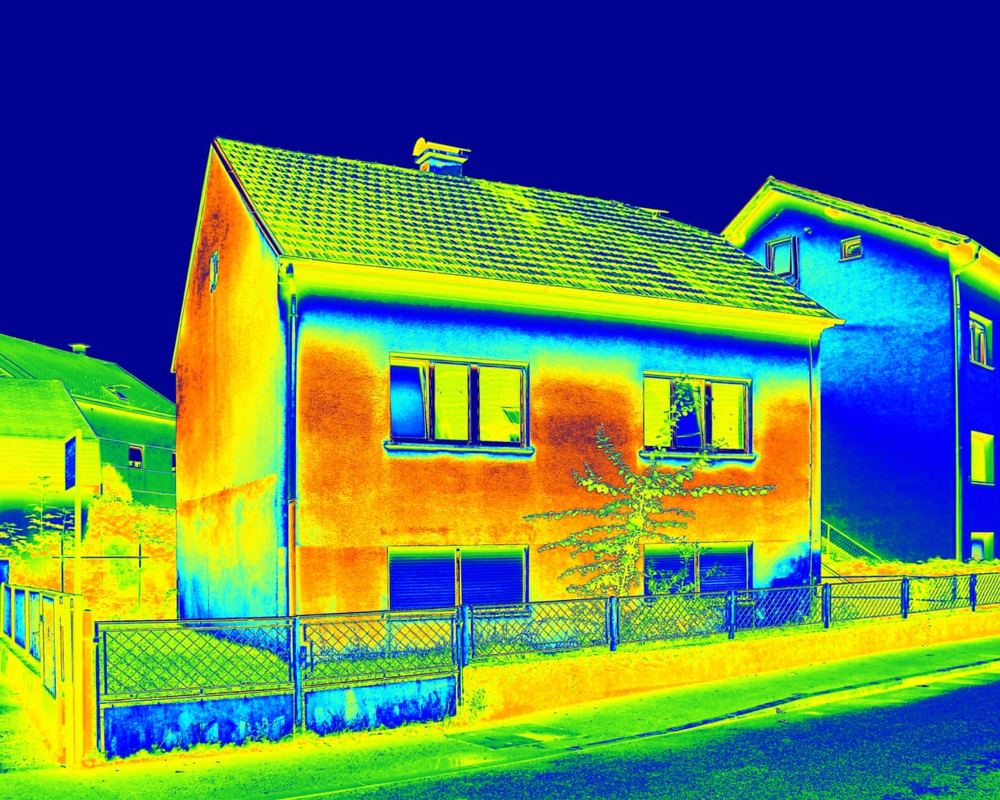
From finding draughts to buying a thermal leak detector – there are simple, cost-effective ways to start sorting heat loss Pick a day when there is a good breeze, and heat the house to its usual temperature. Then wander around with a candle or smoke pen (about £20). Alternatively, buy a thermal leak detector. This flashes blue for cold, green for normal and red for warm. Continue reading...
From finding draughts to buying a thermal leak detector, there are simple, cost-effective ways to start sorting heat loss
Pick a day when there is a good breeze, and heat the house to its usual temperature. Then wander around with a candle or smoke pen (about £20). Alternatively, buy a thermal leak detector. This flashes blue for cold, green for normal and red for warm.
“Misting or water trapped between the panes of double glazing can point to a failed sealed unit,” says Antony Heath, the marketing and development director at Glevum Windows. “Once the seal has broken, the window may no longer insulate as effectively.”
Condensation on the inside of windows, particularly first thing in the morning, can indicate cold surfaces where heat is escaping, says Oliver Novakovic, technical and innovation director at Barratt Redrow. It can have several causes, including poor ventilation. Older single-glazed windows allow more heat loss, which exacerbates the problem.
If your home struggles to maintain a comfortable temperature, it may be losing heat through walls, floors or the roof. Uneven room temperatures can also be a sign that radiators are not working or heat is escaping faster in some areas. “The better a home is at retaining warmth through good insulation and airtightness, the less energy is needed to keep it comfortable,” Novakovic says.
If snow melts quickly on your roof while nearby properties remain blanketed, or it is a hotspot for birds, this can be a sign that heat is escaping. An older or uninsulated home can lose 25% of its heat through the roof.