Fragile $550B Stock Rally Rests on Tentative Iran Ceasefire

US equities surged roughly $550 billion as oil retreated on a proposed 10-day US-Iran truce, but active strikes and a new Houthi threat to Saudi crude flows leave the rally vulnerable.
US equities added roughly $550 billion in value on Monday as traders bet on a de-escalation in Middle East hostilities. The S&P 500 climbed 0.63% and the Nasdaq gained 1.02%, with technology stocks leading the advance. The rally followed an offer for a 10-day ceasefire between the US and Iran.
The proposed pause aims to revive the Islamabad Memorandum, an interim deal brokered by Pakistan and Qatar that was signed remotely by Donald Trump and Iranian President Masoud Pezeshkian on June 17. That initial truce collapsed when strikes resumed in July. Oil prices reacted sharply to the renewed diplomatic push, with WTI falling to near $82.65 and Brent slipping to about $88.46 after topping $90 just hours earlier on Sunday.
However, the market’s optimism faces immediate geopolitical headwinds. The stock gains materialized even as US Central Command announced a ninth consecutive night of strikes. Tehran has also signaled deep skepticism. Parliament Speaker Mohammad Bagher Ghalibaf noted the continued deployment of US military equipment to the region, stating: "We've reached the stage of mastery in recognizing these American games, and on that basis, we've prepared ourselves. Actions must confirm claims, not contradict them."
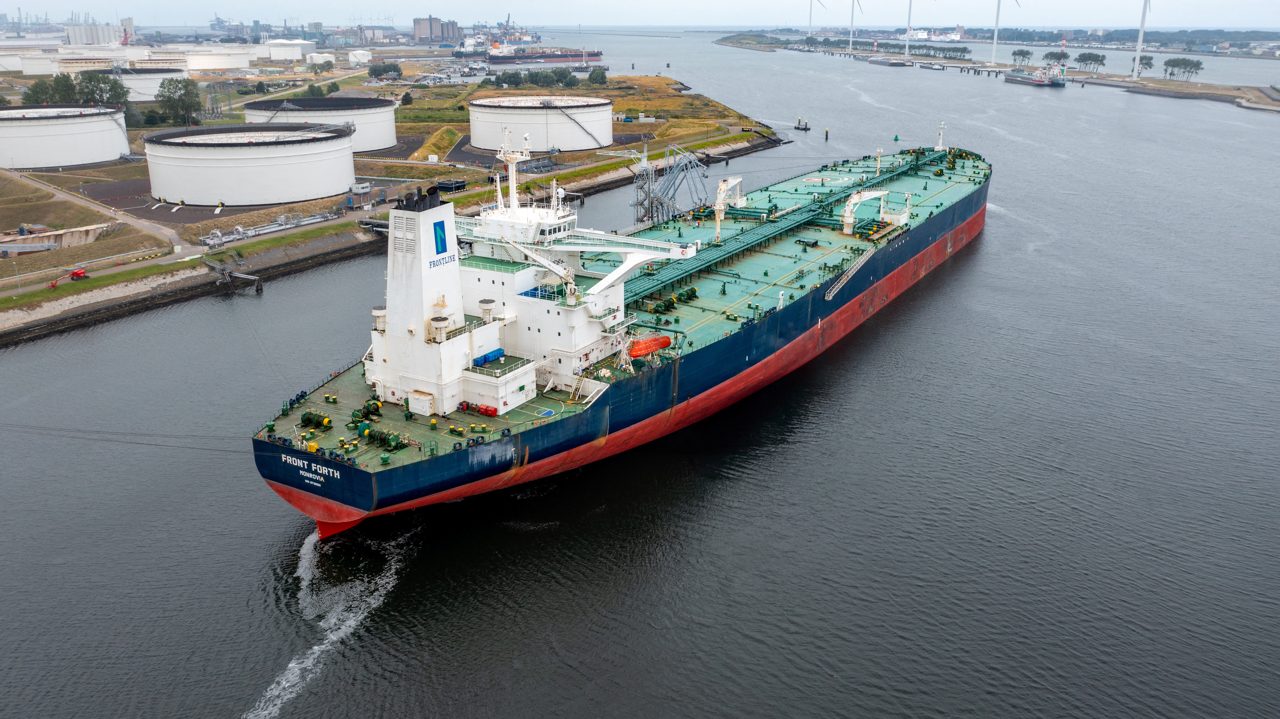
Separate supply risks emerged that could quickly reverse the downward oil pressure. Yemen’s Houthis declared a maritime embargo on Saudi shipping through the Bab el-Mandeb Strait, with military spokesman Yahya Saree framing it as an "eye for an eye" response to Riyadh's blockade of Houthi ports. This directly threatens a critical energy artery. Kpler data shows Riyadh now routes over 70% of its crude exports, roughly 4 million barrels per day, through the Red Sea port of Yanbu.
The macroeconomic safety net for energy markets is thin. The US Strategic Petroleum Reserve sits at its lowest level since 1983 following a record 400 million-barrel release in March. Traders are already pricing a high probability of US gasoline hitting $4 by the end of July, a roughly 25% increase from current levels.
A sustained oil spike could force the Federal Reserve to reconsider its rate path, reviving inflationary pressures. For now, equities are pricing a diplomatic proposal rather than an active ceasefire. Given that a similar relief rally faded in June, investors remain exposed to a rapid unwind if talks stall.