Lagos airport rail plan raises concerns over reach, convenience
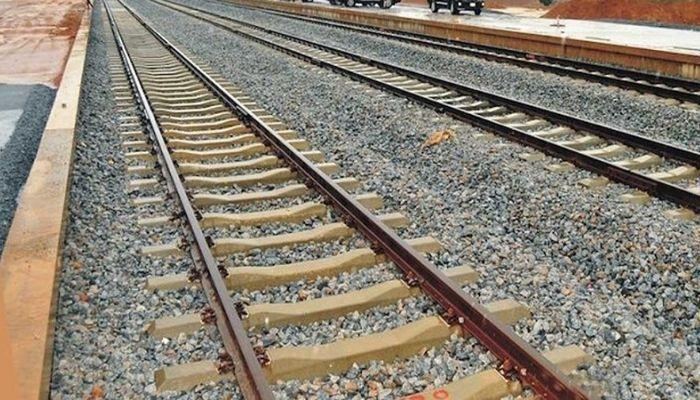
The federal government’s plan to connect Lagos’airport terminals by rail could offer travelers a more predictable alternative to road transport,
The federal government’s plan to connect Lagos’airport terminals by rail could offer travelers a more predictable alternative to road transport, but concerns over accessibility, luggage handling, and last-mile connections could limit its use. Festus Keyamo, minister of Aviation and Aerospace Development, recently announced plans to link the Lagos Red Line rail from Ikeja to the airport to cut travel times, offer passengers an alternative to road transport and potentially make airport access faster. The project, initiated by the Federal Ministry of Aviation and Aerospace Development, is expected to connect the airport directly with the city and improve mobility for passengers and airport users. “The proposed stops would serve Terminal 1, Terminal 2, Hardron Cargo, airport offices, and another location around Bisam,” Olubunmi Onabanjo-Kuku, managing director of the Federal Airport Authority of Nigeria (FAAN), said. Read also: FG to link Lagos airports by rail, approves $500m MMIA upgrade While this plan could provide alternatives to road transport, its impact on travelers is likely to depend on other factors including travel time, fares, accessibility and how easily the passengers can move between the rail stations and airport terminals. Adejumo John, transport expert and researcher, said that the success of the project would depend heavily on how well the rail is integrated with other modes of transport, noting that passengers living in areas such as Lekki, Ajah, Festac and parts of Surulere would still need to reach the rail stations, making first-mile and last-mile connectivity critical. “First-mile and last-mile connections can make or break this project. If getting to the station takes 2 hours in traffic, or if there’s no secure park-and-ride facility where they can safely leave their cars, most people will just hire a ride-hailing taxi straight to the airport instead, especially if they have luggage,” John said. For some travellers, the proposed airport rail connection could provide a more convenient way to reach the airport, particularly for passengers who live close to the rail corridor. Azubuike Uchenna, a passenger, said the difficulty of getting to the airport had previously forced them to lodge close to the airport ahead of flights, despite leaving home as early as three hours before departure. Uchenna said the proposed rail connection is a welcome development for travellers living close to the route, but questioned how much it would benefit those living farther away in areas such as the Island, Festac and Ojo. “I used to lodge close to the airport to meet up with my flight, and I still leave as early as 3 hours before my departure. “So this might be a good development for passengers living close to the rail line,” he said. Joy Odinaka, a traveler said she currently spends about N8,000 to N10,000 on a cab to the airport and can spend as much as three hours on the journey from where she lives. Despite the time and cost, Odinaka said the convenience of being taken directly to the airport remains more attractive than using a train. She raised concerns about luggage, saying travelling with more than one bag could make commuting by rail less convenient, particularly if she has to move between stations and terminals. “The comfort in the car is better than a train. What if I carry more than 1 luggage, I’ll be struggling with them to get to the train station, instead of just taking a direct cab to the airport,” Odinaka said. The Lagos Red Line is a 37-kilometer commuter rail system operated by the Lagos Metropolitan Area Transport Authority (LAMATA), which currently runs from Agbado to Oyingbo, with stations at Iju, Agege, Ikeja, Oshodi, Mushin, Yaba, and Oyingbo. Whether the project significantly changes the airport experience will depend on its eventual fare, travel time, and how seamlessly passengers can connect from the rail station to the terminals. “The major difference would be predictability because right now, getting to the airport from most parts of the island and even mainland means gambling with traffic along Ikeja, or the airport road corridor itself,” John said. He recommended integrating BRT feeder buses, secure park-and-ride facilities and organised ride-hailing pick-up points around stations to encourage wider use of the service. “To actually drive adoption, the government needs to integrate BRT feeder buses and facilitate organised ride-hailing pick-up zones, which really comes down to the operational realities because most people going to the airport aren’t carrying light luggage,” John said. He further said that train frequency and reliability would be crucial, noting that a service running at intervals of about 15 to 20 minutes would give passengers greater confidence, while infrequent or unreliable services could discourage travellers from using the rail for time-sensitive journeys such as international flights. “The fare would need to be reasonable enough to make rail an attractive alternative to driving, taxis and ride-hailing services,” John said. Related News WORLD IN BRIEF: Trump targets lower diesel prices with Russian supplies, Ethiopia opens $50m gold refinery and other stories Carrick optimistic despite Man United’s worst season start Obi knocks Tinubu’s economic stability claims as poverty deepens Juliet Onyema Juliet Onyema is a transport journalist who reports on Nigeria’s transport and automobile industry. She covers emerging Electric Vehicles (EVs), ranging from adoption to usage, automobile firms and transport policies which affect them, and also recurring trends affecting commuters’ mobility interstate and intrastate. Share
Festus Keyamo, minister of Aviation and Aerospace Development, recently announced plans to link the Lagos Red Line rail from Ikeja to the airport to cut travel times, offer passengers an alternative to road transport and potentially make airport access faster. The project, initiated by the Federal Ministry of Aviation and Aerospace Development, is expected to connect the airport directly with the city and improve mobility for passengers and airport users. “The proposed stops would serve Terminal 1, Terminal 2, Hardron Cargo, airport offices, and another location around Bisam,” Olubunmi Onabanjo-Kuku, managing director of the Federal Airport Authority of Nigeria (FAAN), said. Read also: FG to link Lagos airports by rail, approves $500m MMIA upgrade While this plan could provide alternatives to road transport, its impact on travelers is likely to depend on other factors including travel time, fares, accessibility and how easily the passengers can move between the rail stations and airport terminals. Adejumo John, transport expert and researcher, said that the success of the project would depend heavily on how well the rail is integrated with other modes of transport, noting that passengers living in areas such as Lekki, Ajah, Festac and parts of Surulere would still need to reach the rail stations, making first-mile and last-mile connectivity critical. “First-mile and last-mile connections can make or break this project. If getting to the station takes 2 hours in traffic, or if there’s no secure park-and-ride facility where they can safely leave their cars, most people will just hire a ride-hailing taxi straight to the airport instead, especially if they have luggage,” John said. For some travellers, the proposed airport rail connection could provide a more convenient way to reach the airport, particularly for passengers who live close to the rail corridor. Azubuike Uchenna, a passenger, said the difficulty of getting to the airport had previously forced them to lodge close to the airport ahead of flights, despite leaving home as early as three hours before departure. Uchenna said the proposed rail connection is a welcome development for travellers living close to the route, but questioned how much it would benefit those living farther away in areas such as the Island, Festac and Ojo. “I used to lodge close to the airport to meet up with my flight, and I still leave as early as 3 hours before my departure. “So this might be a good development for passengers living close to the rail line,” he said. Joy Odinaka, a traveler said she currently spends about N8,000 to N10,000 on a cab to the airport and can spend as much as three hours on the journey from where she lives. Despite the time and cost, Odinaka said the convenience of being taken directly to the airport remains more attractive than using a train. She raised concerns about luggage, saying travelling with more than one bag could make commuting by rail less convenient, particularly if she has to move between stations and terminals. “The comfort in the car is better than a train. What if I carry more than 1 luggage, I’ll be struggling with them to get to the train station, instead of just taking a direct cab to the airport,” Odinaka said. The Lagos Red Line is a 37-kilometer commuter rail system operated by the Lagos Metropolitan Area Transport Authority (LAMATA), which currently runs from Agbado to Oyingbo, with stations at Iju, Agege, Ikeja, Oshodi, Mushin, Yaba, and Oyingbo. Whether the project significantly changes the airport experience will depend on its eventual fare, travel time, and how seamlessly passengers can connect from the rail station to the terminals. “The major difference would be predictability because right now, getting to the airport from most parts of the island and even mainland means gambling with traffic along Ikeja, or the airport road corridor itself,” John said. He recommended integrating BRT feeder buses, secure park-and-ride facilities and organised ride-hailing pick-up points around stations to encourage wider use of the service. “To actually drive adoption, the government needs to integrate BRT feeder buses and facilitate organised ride-hailing pick-up zones, which really comes down to the operational realities because most people going to the airport aren’t carrying light luggage,” John said. He further said that train frequency and reliability would be crucial, noting that a service running at intervals of about 15 to 20 minutes would give passengers greater confidence, while infrequent or unreliable services could discourage travellers from using the rail for time-sensitive journeys such as international flights. “The fare would need to be reasonable enough to make rail an attractive alternative to driving, taxis and ride-hailing services,” John said. Related News WORLD IN BRIEF: Trump targets lower diesel prices with Russian supplies, Ethiopia opens $50m gold refinery and other stories Carrick optimistic despite Man United’s worst season start Obi knocks Tinubu’s economic stability claims as poverty deepens Juliet Onyema Juliet Onyema is a transport journalist who reports on Nigeria’s transport and automobile industry. She covers emerging Electric Vehicles (EVs), ranging from adoption to usage, automobile firms and transport policies which affect them, and also recurring trends affecting commuters’ mobility interstate and intrastate. Share
The project, initiated by the Federal Ministry of Aviation and Aerospace Development, is expected to connect the airport directly with the city and improve mobility for passengers and airport users. “The proposed stops would serve Terminal 1, Terminal 2, Hardron Cargo, airport offices, and another location around Bisam,” Olubunmi Onabanjo-Kuku, managing director of the Federal Airport Authority of Nigeria (FAAN), said. Read also: FG to link Lagos airports by rail, approves $500m MMIA upgrade While this plan could provide alternatives to road transport, its impact on travelers is likely to depend on other factors including travel time, fares, accessibility and how easily the passengers can move between the rail stations and airport terminals. Adejumo John, transport expert and researcher, said that the success of the project would depend heavily on how well the rail is integrated with other modes of transport, noting that passengers living in areas such as Lekki, Ajah, Festac and parts of Surulere would still need to reach the rail stations, making first-mile and last-mile connectivity critical. “First-mile and last-mile connections can make or break this project. If getting to the station takes 2 hours in traffic, or if there’s no secure park-and-ride facility where they can safely leave their cars, most people will just hire a ride-hailing taxi straight to the airport instead, especially if they have luggage,” John said. For some travellers, the proposed airport rail connection could provide a more convenient way to reach the airport, particularly for passengers who live close to the rail corridor. Azubuike Uchenna, a passenger, said the difficulty of getting to the airport had previously forced them to lodge close to the airport ahead of flights, despite leaving home as early as three hours before departure. Uchenna said the proposed rail connection is a welcome development for travellers living close to the route, but questioned how much it would benefit those living farther away in areas such as the Island, Festac and Ojo. “I used to lodge close to the airport to meet up with my flight, and I still leave as early as 3 hours before my departure. “So this might be a good development for passengers living close to the rail line,” he said. Joy Odinaka, a traveler said she currently spends about N8,000 to N10,000 on a cab to the airport and can spend as much as three hours on the journey from where she lives. Despite the time and cost, Odinaka said the convenience of being taken directly to the airport remains more attractive than using a train. She raised concerns about luggage, saying travelling with more than one bag could make commuting by rail less convenient, particularly if she has to move between stations and terminals. “The comfort in the car is better than a train. What if I carry more than 1 luggage, I’ll be struggling with them to get to the train station, instead of just taking a direct cab to the airport,” Odinaka said. The Lagos Red Line is a 37-kilometer commuter rail system operated by the Lagos Metropolitan Area Transport Authority (LAMATA), which currently runs from Agbado to Oyingbo, with stations at Iju, Agege, Ikeja, Oshodi, Mushin, Yaba, and Oyingbo. Whether the project significantly changes the airport experience will depend on its eventual fare, travel time, and how seamlessly passengers can connect from the rail station to the terminals. “The major difference would be predictability because right now, getting to the airport from most parts of the island and even mainland means gambling with traffic along Ikeja, or the airport road corridor itself,” John said. He recommended integrating BRT feeder buses, secure park-and-ride facilities and organised ride-hailing pick-up points around stations to encourage wider use of the service. “To actually drive adoption, the government needs to integrate BRT feeder buses and facilitate organised ride-hailing pick-up zones, which really comes down to the operational realities because most people going to the airport aren’t carrying light luggage,” John said. He further said that train frequency and reliability would be crucial, noting that a service running at intervals of about 15 to 20 minutes would give passengers greater confidence, while infrequent or unreliable services could discourage travellers from using the rail for time-sensitive journeys such as international flights. “The fare would need to be reasonable enough to make rail an attractive alternative to driving, taxis and ride-hailing services,” John said. Related News WORLD IN BRIEF: Trump targets lower diesel prices with Russian supplies, Ethiopia opens $50m gold refinery and other stories Carrick optimistic despite Man United’s worst season start Obi knocks Tinubu’s economic stability claims as poverty deepens Juliet Onyema Juliet Onyema is a transport journalist who reports on Nigeria’s transport and automobile industry. She covers emerging Electric Vehicles (EVs), ranging from adoption to usage, automobile firms and transport policies which affect them, and also recurring trends affecting commuters’ mobility interstate and intrastate. Share
“The proposed stops would serve Terminal 1, Terminal 2, Hardron Cargo, airport offices, and another location around Bisam,” Olubunmi Onabanjo-Kuku, managing director of the Federal Airport Authority of Nigeria (FAAN), said. Read also: FG to link Lagos airports by rail, approves $500m MMIA upgrade While this plan could provide alternatives to road transport, its impact on travelers is likely to depend on other factors including travel time, fares, accessibility and how easily the passengers can move between the rail stations and airport terminals. Adejumo John, transport expert and researcher, said that the success of the project would depend heavily on how well the rail is integrated with other modes of transport, noting that passengers living in areas such as Lekki, Ajah, Festac and parts of Surulere would still need to reach the rail stations, making first-mile and last-mile connectivity critical. “First-mile and last-mile connections can make or break this project. If getting to the station takes 2 hours in traffic, or if there’s no secure park-and-ride facility where they can safely leave their cars, most people will just hire a ride-hailing taxi straight to the airport instead, especially if they have luggage,” John said. For some travellers, the proposed airport rail connection could provide a more convenient way to reach the airport, particularly for passengers who live close to the rail corridor. Azubuike Uchenna, a passenger, said the difficulty of getting to the airport had previously forced them to lodge close to the airport ahead of flights, despite leaving home as early as three hours before departure. Uchenna said the proposed rail connection is a welcome development for travellers living close to the route, but questioned how much it would benefit those living farther away in areas such as the Island, Festac and Ojo. “I used to lodge close to the airport to meet up with my flight, and I still leave as early as 3 hours before my departure. “So this might be a good development for passengers living close to the rail line,” he said. Joy Odinaka, a traveler said she currently spends about N8,000 to N10,000 on a cab to the airport and can spend as much as three hours on the journey from where she lives. Despite the time and cost, Odinaka said the convenience of being taken directly to the airport remains more attractive than using a train. She raised concerns about luggage, saying travelling with more than one bag could make commuting by rail less convenient, particularly if she has to move between stations and terminals. “The comfort in the car is better than a train. What if I carry more than 1 luggage, I’ll be struggling with them to get to the train station, instead of just taking a direct cab to the airport,” Odinaka said. The Lagos Red Line is a 37-kilometer commuter rail system operated by the Lagos Metropolitan Area Transport Authority (LAMATA), which currently runs from Agbado to Oyingbo, with stations at Iju, Agege, Ikeja, Oshodi, Mushin, Yaba, and Oyingbo. Whether the project significantly changes the airport experience will depend on its eventual fare, travel time, and how seamlessly passengers can connect from the rail station to the terminals. “The major difference would be predictability because right now, getting to the airport from most parts of the island and even mainland means gambling with traffic along Ikeja, or the airport road corridor itself,” John said. He recommended integrating BRT feeder buses, secure park-and-ride facilities and organised ride-hailing pick-up points around stations to encourage wider use of the service. “To actually drive adoption, the government needs to integrate BRT feeder buses and facilitate organised ride-hailing pick-up zones, which really comes down to the operational realities because most people going to the airport aren’t carrying light luggage,” John said. He further said that train frequency and reliability would be crucial, noting that a service running at intervals of about 15 to 20 minutes would give passengers greater confidence, while infrequent or unreliable services could discourage travellers from using the rail for time-sensitive journeys such as international flights. “The fare would need to be reasonable enough to make rail an attractive alternative to driving, taxis and ride-hailing services,” John said. Related News WORLD IN BRIEF: Trump targets lower diesel prices with Russian supplies, Ethiopia opens $50m gold refinery and other stories Carrick optimistic despite Man United’s worst season start Obi knocks Tinubu’s economic stability claims as poverty deepens Juliet Onyema Juliet Onyema is a transport journalist who reports on Nigeria’s transport and automobile industry. She covers emerging Electric Vehicles (EVs), ranging from adoption to usage, automobile firms and transport policies which affect them, and also recurring trends affecting commuters’ mobility interstate and intrastate. Share
Read also: FG to link Lagos airports by rail, approves $500m MMIA upgrade While this plan could provide alternatives to road transport, its impact on travelers is likely to depend on other factors including travel time, fares, accessibility and how easily the passengers can move between the rail stations and airport terminals. Adejumo John, transport expert and researcher, said that the success of the project would depend heavily on how well the rail is integrated with other modes of transport, noting that passengers living in areas such as Lekki, Ajah, Festac and parts of Surulere would still need to reach the rail stations, making first-mile and last-mile connectivity critical. “First-mile and last-mile connections can make or break this project. If getting to the station takes 2 hours in traffic, or if there’s no secure park-and-ride facility where they can safely leave their cars, most people will just hire a ride-hailing taxi straight to the airport instead, especially if they have luggage,” John said. For some travellers, the proposed airport rail connection could provide a more convenient way to reach the airport, particularly for passengers who live close to the rail corridor. Azubuike Uchenna, a passenger, said the difficulty of getting to the airport had previously forced them to lodge close to the airport ahead of flights, despite leaving home as early as three hours before departure. Uchenna said the proposed rail connection is a welcome development for travellers living close to the route, but questioned how much it would benefit those living farther away in areas such as the Island, Festac and Ojo. “I used to lodge close to the airport to meet up with my flight, and I still leave as early as 3 hours before my departure. “So this might be a good development for passengers living close to the rail line,” he said. Joy Odinaka, a traveler said she currently spends about N8,000 to N10,000 on a cab to the airport and can spend as much as three hours on the journey from where she lives. Despite the time and cost, Odinaka said the convenience of being taken directly to the airport remains more attractive than using a train. She raised concerns about luggage, saying travelling with more than one bag could make commuting by rail less convenient, particularly if she has to move between stations and terminals. “The comfort in the car is better than a train. What if I carry more than 1 luggage, I’ll be struggling with them to get to the train station, instead of just taking a direct cab to the airport,” Odinaka said. The Lagos Red Line is a 37-kilometer commuter rail system operated by the Lagos Metropolitan Area Transport Authority (LAMATA), which currently runs from Agbado to Oyingbo, with stations at Iju, Agege, Ikeja, Oshodi, Mushin, Yaba, and Oyingbo. Whether the project significantly changes the airport experience will depend on its eventual fare, travel time, and how seamlessly passengers can connect from the rail station to the terminals. “The major difference would be predictability because right now, getting to the airport from most parts of the island and even mainland means gambling with traffic along Ikeja, or the airport road corridor itself,” John said. He recommended integrating BRT feeder buses, secure park-and-ride facilities and organised ride-hailing pick-up points around stations to encourage wider use of the service. “To actually drive adoption, the government needs to integrate BRT feeder buses and facilitate organised ride-hailing pick-up zones, which really comes down to the operational realities because most people going to the airport aren’t carrying light luggage,” John said. He further said that train frequency and reliability would be crucial, noting that a service running at intervals of about 15 to 20 minutes would give passengers greater confidence, while infrequent or unreliable services could discourage travellers from using the rail for time-sensitive journeys such as international flights. “The fare would need to be reasonable enough to make rail an attractive alternative to driving, taxis and ride-hailing services,” John said. Related News WORLD IN BRIEF: Trump targets lower diesel prices with Russian supplies, Ethiopia opens $50m gold refinery and other stories Carrick optimistic despite Man United’s worst season start Obi knocks Tinubu’s economic stability claims as poverty deepens Juliet Onyema Juliet Onyema is a transport journalist who reports on Nigeria’s transport and automobile industry. She covers emerging Electric Vehicles (EVs), ranging from adoption to usage, automobile firms and transport policies which affect them, and also recurring trends affecting commuters’ mobility interstate and intrastate. Share
While this plan could provide alternatives to road transport, its impact on travelers is likely to depend on other factors including travel time, fares, accessibility and how easily the passengers can move between the rail stations and airport terminals. Adejumo John, transport expert and researcher, said that the success of the project would depend heavily on how well the rail is integrated with other modes of transport, noting that passengers living in areas such as Lekki, Ajah, Festac and parts of Surulere would still need to reach the rail stations, making first-mile and last-mile connectivity critical. “First-mile and last-mile connections can make or break this project. If getting to the station takes 2 hours in traffic, or if there’s no secure park-and-ride facility where they can safely leave their cars, most people will just hire a ride-hailing taxi straight to the airport instead, especially if they have luggage,” John said. For some travellers, the proposed airport rail connection could provide a more convenient way to reach the airport, particularly for passengers who live close to the rail corridor. Azubuike Uchenna, a passenger, said the difficulty of getting to the airport had previously forced them to lodge close to the airport ahead of flights, despite leaving home as early as three hours before departure. Uchenna said the proposed rail connection is a welcome development for travellers living close to the route, but questioned how much it would benefit those living farther away in areas such as the Island, Festac and Ojo. “I used to lodge close to the airport to meet up with my flight, and I still leave as early as 3 hours before my departure. “So this might be a good development for passengers living close to the rail line,” he said. Joy Odinaka, a traveler said she currently spends about N8,000 to N10,000 on a cab to the airport and can spend as much as three hours on the journey from where she lives. Despite the time and cost, Odinaka said the convenience of being taken directly to the airport remains more attractive than using a train. She raised concerns about luggage, saying travelling with more than one bag could make commuting by rail less convenient, particularly if she has to move between stations and terminals. “The comfort in the car is better than a train. What if I carry more than 1 luggage, I’ll be struggling with them to get to the train station, instead of just taking a direct cab to the airport,” Odinaka said. The Lagos Red Line is a 37-kilometer commuter rail system operated by the Lagos Metropolitan Area Transport Authority (LAMATA), which currently runs from Agbado to Oyingbo, with stations at Iju, Agege, Ikeja, Oshodi, Mushin, Yaba, and Oyingbo. Whether the project significantly changes the airport experience will depend on its eventual fare, travel time, and how seamlessly passengers can connect from the rail station to the terminals. “The major difference would be predictability because right now, getting to the airport from most parts of the island and even mainland means gambling with traffic along Ikeja, or the airport road corridor itself,” John said. He recommended integrating BRT feeder buses, secure park-and-ride facilities and organised ride-hailing pick-up points around stations to encourage wider use of the service. “To actually drive adoption, the government needs to integrate BRT feeder buses and facilitate organised ride-hailing pick-up zones, which really comes down to the operational realities because most people going to the airport aren’t carrying light luggage,” John said. He further said that train frequency and reliability would be crucial, noting that a service running at intervals of about 15 to 20 minutes would give passengers greater confidence, while infrequent or unreliable services could discourage travellers from using the rail for time-sensitive journeys such as international flights. “The fare would need to be reasonable enough to make rail an attractive alternative to driving, taxis and ride-hailing services,” John said. Related News WORLD IN BRIEF: Trump targets lower diesel prices with Russian supplies, Ethiopia opens $50m gold refinery and other stories Carrick optimistic despite Man United’s worst season start Obi knocks Tinubu’s economic stability claims as poverty deepens Juliet Onyema Juliet Onyema is a transport journalist who reports on Nigeria’s transport and automobile industry. She covers emerging Electric Vehicles (EVs), ranging from adoption to usage, automobile firms and transport policies which affect them, and also recurring trends affecting commuters’ mobility interstate and intrastate. Share
Adejumo John, transport expert and researcher, said that the success of the project would depend heavily on how well the rail is integrated with other modes of transport, noting that passengers living in areas such as Lekki, Ajah, Festac and parts of Surulere would still need to reach the rail stations, making first-mile and last-mile connectivity critical. “First-mile and last-mile connections can make or break this project. If getting to the station takes 2 hours in traffic, or if there’s no secure park-and-ride facility where they can safely leave their cars, most people will just hire a ride-hailing taxi straight to the airport instead, especially if they have luggage,” John said. For some travellers, the proposed airport rail connection could provide a more convenient way to reach the airport, particularly for passengers who live close to the rail corridor. Azubuike Uchenna, a passenger, said the difficulty of getting to the airport had previously forced them to lodge close to the airport ahead of flights, despite leaving home as early as three hours before departure. Uchenna said the proposed rail connection is a welcome development for travellers living close to the route, but questioned how much it would benefit those living farther away in areas such as the Island, Festac and Ojo. “I used to lodge close to the airport to meet up with my flight, and I still leave as early as 3 hours before my departure. “So this might be a good development for passengers living close to the rail line,” he said. Joy Odinaka, a traveler said she currently spends about N8,000 to N10,000 on a cab to the airport and can spend as much as three hours on the journey from where she lives. Despite the time and cost, Odinaka said the convenience of being taken directly to the airport remains more attractive than using a train. She raised concerns about luggage, saying travelling with more than one bag could make commuting by rail less convenient, particularly if she has to move between stations and terminals. “The comfort in the car is better than a train. What if I carry more than 1 luggage, I’ll be struggling with them to get to the train station, instead of just taking a direct cab to the airport,” Odinaka said. The Lagos Red Line is a 37-kilometer commuter rail system operated by the Lagos Metropolitan Area Transport Authority (LAMATA), which currently runs from Agbado to Oyingbo, with stations at Iju, Agege, Ikeja, Oshodi, Mushin, Yaba, and Oyingbo. Whether the project significantly changes the airport experience will depend on its eventual fare, travel time, and how seamlessly passengers can connect from the rail station to the terminals. “The major difference would be predictability because right now, getting to the airport from most parts of the island and even mainland means gambling with traffic along Ikeja, or the airport road corridor itself,” John said. He recommended integrating BRT feeder buses, secure park-and-ride facilities and organised ride-hailing pick-up points around stations to encourage wider use of the service. “To actually drive adoption, the government needs to integrate BRT feeder buses and facilitate organised ride-hailing pick-up zones, which really comes down to the operational realities because most people going to the airport aren’t carrying light luggage,” John said. He further said that train frequency and reliability would be crucial, noting that a service running at intervals of about 15 to 20 minutes would give passengers greater confidence, while infrequent or unreliable services could discourage travellers from using the rail for time-sensitive journeys such as international flights. “The fare would need to be reasonable enough to make rail an attractive alternative to driving, taxis and ride-hailing services,” John said. Related News WORLD IN BRIEF: Trump targets lower diesel prices with Russian supplies, Ethiopia opens $50m gold refinery and other stories Carrick optimistic despite Man United’s worst season start Obi knocks Tinubu’s economic stability claims as poverty deepens Juliet Onyema Juliet Onyema is a transport journalist who reports on Nigeria’s transport and automobile industry. She covers emerging Electric Vehicles (EVs), ranging from adoption to usage, automobile firms and transport policies which affect them, and also recurring trends affecting commuters’ mobility interstate and intrastate. Share
“First-mile and last-mile connections can make or break this project. If getting to the station takes 2 hours in traffic, or if there’s no secure park-and-ride facility where they can safely leave their cars, most people will just hire a ride-hailing taxi straight to the airport instead, especially if they have luggage,” John said. For some travellers, the proposed airport rail connection could provide a more convenient way to reach the airport, particularly for passengers who live close to the rail corridor. Azubuike Uchenna, a passenger, said the difficulty of getting to the airport had previously forced them to lodge close to the airport ahead of flights, despite leaving home as early as three hours before departure. Uchenna said the proposed rail connection is a welcome development for travellers living close to the route, but questioned how much it would benefit those living farther away in areas such as the Island, Festac and Ojo. “I used to lodge close to the airport to meet up with my flight, and I still leave as early as 3 hours before my departure. “So this might be a good development for passengers living close to the rail line,” he said. Joy Odinaka, a traveler said she currently spends about N8,000 to N10,000 on a cab to the airport and can spend as much as three hours on the journey from where she lives. Despite the time and cost, Odinaka said the convenience of being taken directly to the airport remains more attractive than using a train. She raised concerns about luggage, saying travelling with more than one bag could make commuting by rail less convenient, particularly if she has to move between stations and terminals. “The comfort in the car is better than a train. What if I carry more than 1 luggage, I’ll be struggling with them to get to the train station, instead of just taking a direct cab to the airport,” Odinaka said. The Lagos Red Line is a 37-kilometer commuter rail system operated by the Lagos Metropolitan Area Transport Authority (LAMATA), which currently runs from Agbado to Oyingbo, with stations at Iju, Agege, Ikeja, Oshodi, Mushin, Yaba, and Oyingbo. Whether the project significantly changes the airport experience will depend on its eventual fare, travel time, and how seamlessly passengers can connect from the rail station to the terminals. “The major difference would be predictability because right now, getting to the airport from most parts of the island and even mainland means gambling with traffic along Ikeja, or the airport road corridor itself,” John said. He recommended integrating BRT feeder buses, secure park-and-ride facilities and organised ride-hailing pick-up points around stations to encourage wider use of the service. “To actually drive adoption, the government needs to integrate BRT feeder buses and facilitate organised ride-hailing pick-up zones, which really comes down to the operational realities because most people going to the airport aren’t carrying light luggage,” John said. He further said that train frequency and reliability would be crucial, noting that a service running at intervals of about 15 to 20 minutes would give passengers greater confidence, while infrequent or unreliable services could discourage travellers from using the rail for time-sensitive journeys such as international flights. “The fare would need to be reasonable enough to make rail an attractive alternative to driving, taxis and ride-hailing services,” John said. Related News WORLD IN BRIEF: Trump targets lower diesel prices with Russian supplies, Ethiopia opens $50m gold refinery and other stories Carrick optimistic despite Man United’s worst season start Obi knocks Tinubu’s economic stability claims as poverty deepens Juliet Onyema Juliet Onyema is a transport journalist who reports on Nigeria’s transport and automobile industry. She covers emerging Electric Vehicles (EVs), ranging from adoption to usage, automobile firms and transport policies which affect them, and also recurring trends affecting commuters’ mobility interstate and intrastate. Share
For some travellers, the proposed airport rail connection could provide a more convenient way to reach the airport, particularly for passengers who live close to the rail corridor. Azubuike Uchenna, a passenger, said the difficulty of getting to the airport had previously forced them to lodge close to the airport ahead of flights, despite leaving home as early as three hours before departure. Uchenna said the proposed rail connection is a welcome development for travellers living close to the route, but questioned how much it would benefit those living farther away in areas such as the Island, Festac and Ojo. “I used to lodge close to the airport to meet up with my flight, and I still leave as early as 3 hours before my departure. “So this might be a good development for passengers living close to the rail line,” he said. Joy Odinaka, a traveler said she currently spends about N8,000 to N10,000 on a cab to the airport and can spend as much as three hours on the journey from where she lives. Despite the time and cost, Odinaka said the convenience of being taken directly to the airport remains more attractive than using a train. She raised concerns about luggage, saying travelling with more than one bag could make commuting by rail less convenient, particularly if she has to move between stations and terminals. “The comfort in the car is better than a train. What if I carry more than 1 luggage, I’ll be struggling with them to get to the train station, instead of just taking a direct cab to the airport,” Odinaka said. The Lagos Red Line is a 37-kilometer commuter rail system operated by the Lagos Metropolitan Area Transport Authority (LAMATA), which currently runs from Agbado to Oyingbo, with stations at Iju, Agege, Ikeja, Oshodi, Mushin, Yaba, and Oyingbo. Whether the project significantly changes the airport experience will depend on its eventual fare, travel time, and how seamlessly passengers can connect from the rail station to the terminals. “The major difference would be predictability because right now, getting to the airport from most parts of the island and even mainland means gambling with traffic along Ikeja, or the airport road corridor itself,” John said. He recommended integrating BRT feeder buses, secure park-and-ride facilities and organised ride-hailing pick-up points around stations to encourage wider use of the service. “To actually drive adoption, the government needs to integrate BRT feeder buses and facilitate organised ride-hailing pick-up zones, which really comes down to the operational realities because most people going to the airport aren’t carrying light luggage,” John said. He further said that train frequency and reliability would be crucial, noting that a service running at intervals of about 15 to 20 minutes would give passengers greater confidence, while infrequent or unreliable services could discourage travellers from using the rail for time-sensitive journeys such as international flights. “The fare would need to be reasonable enough to make rail an attractive alternative to driving, taxis and ride-hailing services,” John said. Related News WORLD IN BRIEF: Trump targets lower diesel prices with Russian supplies, Ethiopia opens $50m gold refinery and other stories Carrick optimistic despite Man United’s worst season start Obi knocks Tinubu’s economic stability claims as poverty deepens Juliet Onyema Juliet Onyema is a transport journalist who reports on Nigeria’s transport and automobile industry. She covers emerging Electric Vehicles (EVs), ranging from adoption to usage, automobile firms and transport policies which affect them, and also recurring trends affecting commuters’ mobility interstate and intrastate. Share
Azubuike Uchenna, a passenger, said the difficulty of getting to the airport had previously forced them to lodge close to the airport ahead of flights, despite leaving home as early as three hours before departure. Uchenna said the proposed rail connection is a welcome development for travellers living close to the route, but questioned how much it would benefit those living farther away in areas such as the Island, Festac and Ojo. “I used to lodge close to the airport to meet up with my flight, and I still leave as early as 3 hours before my departure. “So this might be a good development for passengers living close to the rail line,” he said. Joy Odinaka, a traveler said she currently spends about N8,000 to N10,000 on a cab to the airport and can spend as much as three hours on the journey from where she lives. Despite the time and cost, Odinaka said the convenience of being taken directly to the airport remains more attractive than using a train. She raised concerns about luggage, saying travelling with more than one bag could make commuting by rail less convenient, particularly if she has to move between stations and terminals. “The comfort in the car is better than a train. What if I carry more than 1 luggage, I’ll be struggling with them to get to the train station, instead of just taking a direct cab to the airport,” Odinaka said. The Lagos Red Line is a 37-kilometer commuter rail system operated by the Lagos Metropolitan Area Transport Authority (LAMATA), which currently runs from Agbado to Oyingbo, with stations at Iju, Agege, Ikeja, Oshodi, Mushin, Yaba, and Oyingbo. Whether the project significantly changes the airport experience will depend on its eventual fare, travel time, and how seamlessly passengers can connect from the rail station to the terminals. “The major difference would be predictability because right now, getting to the airport from most parts of the island and even mainland means gambling with traffic along Ikeja, or the airport road corridor itself,” John said. He recommended integrating BRT feeder buses, secure park-and-ride facilities and organised ride-hailing pick-up points around stations to encourage wider use of the service. “To actually drive adoption, the government needs to integrate BRT feeder buses and facilitate organised ride-hailing pick-up zones, which really comes down to the operational realities because most people going to the airport aren’t carrying light luggage,” John said. He further said that train frequency and reliability would be crucial, noting that a service running at intervals of about 15 to 20 minutes would give passengers greater confidence, while infrequent or unreliable services could discourage travellers from using the rail for time-sensitive journeys such as international flights. “The fare would need to be reasonable enough to make rail an attractive alternative to driving, taxis and ride-hailing services,” John said. Related News WORLD IN BRIEF: Trump targets lower diesel prices with Russian supplies, Ethiopia opens $50m gold refinery and other stories Carrick optimistic despite Man United’s worst season start Obi knocks Tinubu’s economic stability claims as poverty deepens Juliet Onyema Juliet Onyema is a transport journalist who reports on Nigeria’s transport and automobile industry. She covers emerging Electric Vehicles (EVs), ranging from adoption to usage, automobile firms and transport policies which affect them, and also recurring trends affecting commuters’ mobility interstate and intrastate. Share
Uchenna said the proposed rail connection is a welcome development for travellers living close to the route, but questioned how much it would benefit those living farther away in areas such as the Island, Festac and Ojo. “I used to lodge close to the airport to meet up with my flight, and I still leave as early as 3 hours before my departure. “So this might be a good development for passengers living close to the rail line,” he said. Joy Odinaka, a traveler said she currently spends about N8,000 to N10,000 on a cab to the airport and can spend as much as three hours on the journey from where she lives. Despite the time and cost, Odinaka said the convenience of being taken directly to the airport remains more attractive than using a train. She raised concerns about luggage, saying travelling with more than one bag could make commuting by rail less convenient, particularly if she has to move between stations and terminals. “The comfort in the car is better than a train. What if I carry more than 1 luggage, I’ll be struggling with them to get to the train station, instead of just taking a direct cab to the airport,” Odinaka said. The Lagos Red Line is a 37-kilometer commuter rail system operated by the Lagos Metropolitan Area Transport Authority (LAMATA), which currently runs from Agbado to Oyingbo, with stations at Iju, Agege, Ikeja, Oshodi, Mushin, Yaba, and Oyingbo. Whether the project significantly changes the airport experience will depend on its eventual fare, travel time, and how seamlessly passengers can connect from the rail station to the terminals. “The major difference would be predictability because right now, getting to the airport from most parts of the island and even mainland means gambling with traffic along Ikeja, or the airport road corridor itself,” John said. He recommended integrating BRT feeder buses, secure park-and-ride facilities and organised ride-hailing pick-up points around stations to encourage wider use of the service. “To actually drive adoption, the government needs to integrate BRT feeder buses and facilitate organised ride-hailing pick-up zones, which really comes down to the operational realities because most people going to the airport aren’t carrying light luggage,” John said. He further said that train frequency and reliability would be crucial, noting that a service running at intervals of about 15 to 20 minutes would give passengers greater confidence, while infrequent or unreliable services could discourage travellers from using the rail for time-sensitive journeys such as international flights. “The fare would need to be reasonable enough to make rail an attractive alternative to driving, taxis and ride-hailing services,” John said. Related News WORLD IN BRIEF: Trump targets lower diesel prices with Russian supplies, Ethiopia opens $50m gold refinery and other stories Carrick optimistic despite Man United’s worst season start Obi knocks Tinubu’s economic stability claims as poverty deepens Juliet Onyema Juliet Onyema is a transport journalist who reports on Nigeria’s transport and automobile industry. She covers emerging Electric Vehicles (EVs), ranging from adoption to usage, automobile firms and transport policies which affect them, and also recurring trends affecting commuters’ mobility interstate and intrastate. Share
“I used to lodge close to the airport to meet up with my flight, and I still leave as early as 3 hours before my departure. “So this might be a good development for passengers living close to the rail line,” he said. Joy Odinaka, a traveler said she currently spends about N8,000 to N10,000 on a cab to the airport and can spend as much as three hours on the journey from where she lives. Despite the time and cost, Odinaka said the convenience of being taken directly to the airport remains more attractive than using a train. She raised concerns about luggage, saying travelling with more than one bag could make commuting by rail less convenient, particularly if she has to move between stations and terminals. “The comfort in the car is better than a train. What if I carry more than 1 luggage, I’ll be struggling with them to get to the train station, instead of just taking a direct cab to the airport,” Odinaka said. The Lagos Red Line is a 37-kilometer commuter rail system operated by the Lagos Metropolitan Area Transport Authority (LAMATA), which currently runs from Agbado to Oyingbo, with stations at Iju, Agege, Ikeja, Oshodi, Mushin, Yaba, and Oyingbo. Whether the project significantly changes the airport experience will depend on its eventual fare, travel time, and how seamlessly passengers can connect from the rail station to the terminals. “The major difference would be predictability because right now, getting to the airport from most parts of the island and even mainland means gambling with traffic along Ikeja, or the airport road corridor itself,” John said. He recommended integrating BRT feeder buses, secure park-and-ride facilities and organised ride-hailing pick-up points around stations to encourage wider use of the service. “To actually drive adoption, the government needs to integrate BRT feeder buses and facilitate organised ride-hailing pick-up zones, which really comes down to the operational realities because most people going to the airport aren’t carrying light luggage,” John said. He further said that train frequency and reliability would be crucial, noting that a service running at intervals of about 15 to 20 minutes would give passengers greater confidence, while infrequent or unreliable services could discourage travellers from using the rail for time-sensitive journeys such as international flights. “The fare would need to be reasonable enough to make rail an attractive alternative to driving, taxis and ride-hailing services,” John said. Related News WORLD IN BRIEF: Trump targets lower diesel prices with Russian supplies, Ethiopia opens $50m gold refinery and other stories Carrick optimistic despite Man United’s worst season start Obi knocks Tinubu’s economic stability claims as poverty deepens Juliet Onyema Juliet Onyema is a transport journalist who reports on Nigeria’s transport and automobile industry. She covers emerging Electric Vehicles (EVs), ranging from adoption to usage, automobile firms and transport policies which affect them, and also recurring trends affecting commuters’ mobility interstate and intrastate. Share
“So this might be a good development for passengers living close to the rail line,” he said. Joy Odinaka, a traveler said she currently spends about N8,000 to N10,000 on a cab to the airport and can spend as much as three hours on the journey from where she lives. Despite the time and cost, Odinaka said the convenience of being taken directly to the airport remains more attractive than using a train. She raised concerns about luggage, saying travelling with more than one bag could make commuting by rail less convenient, particularly if she has to move between stations and terminals. “The comfort in the car is better than a train. What if I carry more than 1 luggage, I’ll be struggling with them to get to the train station, instead of just taking a direct cab to the airport,” Odinaka said. The Lagos Red Line is a 37-kilometer commuter rail system operated by the Lagos Metropolitan Area Transport Authority (LAMATA), which currently runs from Agbado to Oyingbo, with stations at Iju, Agege, Ikeja, Oshodi, Mushin, Yaba, and Oyingbo. Whether the project significantly changes the airport experience will depend on its eventual fare, travel time, and how seamlessly passengers can connect from the rail station to the terminals. “The major difference would be predictability because right now, getting to the airport from most parts of the island and even mainland means gambling with traffic along Ikeja, or the airport road corridor itself,” John said. He recommended integrating BRT feeder buses, secure park-and-ride facilities and organised ride-hailing pick-up points around stations to encourage wider use of the service. “To actually drive adoption, the government needs to integrate BRT feeder buses and facilitate organised ride-hailing pick-up zones, which really comes down to the operational realities because most people going to the airport aren’t carrying light luggage,” John said. He further said that train frequency and reliability would be crucial, noting that a service running at intervals of about 15 to 20 minutes would give passengers greater confidence, while infrequent or unreliable services could discourage travellers from using the rail for time-sensitive journeys such as international flights. “The fare would need to be reasonable enough to make rail an attractive alternative to driving, taxis and ride-hailing services,” John said. Related News WORLD IN BRIEF: Trump targets lower diesel prices with Russian supplies, Ethiopia opens $50m gold refinery and other stories Carrick optimistic despite Man United’s worst season start Obi knocks Tinubu’s economic stability claims as poverty deepens Juliet Onyema Juliet Onyema is a transport journalist who reports on Nigeria’s transport and automobile industry. She covers emerging Electric Vehicles (EVs), ranging from adoption to usage, automobile firms and transport policies which affect them, and also recurring trends affecting commuters’ mobility interstate and intrastate. Share
Joy Odinaka, a traveler said she currently spends about N8,000 to N10,000 on a cab to the airport and can spend as much as three hours on the journey from where she lives. Despite the time and cost, Odinaka said the convenience of being taken directly to the airport remains more attractive than using a train. She raised concerns about luggage, saying travelling with more than one bag could make commuting by rail less convenient, particularly if she has to move between stations and terminals. “The comfort in the car is better than a train. What if I carry more than 1 luggage, I’ll be struggling with them to get to the train station, instead of just taking a direct cab to the airport,” Odinaka said. The Lagos Red Line is a 37-kilometer commuter rail system operated by the Lagos Metropolitan Area Transport Authority (LAMATA), which currently runs from Agbado to Oyingbo, with stations at Iju, Agege, Ikeja, Oshodi, Mushin, Yaba, and Oyingbo. Whether the project significantly changes the airport experience will depend on its eventual fare, travel time, and how seamlessly passengers can connect from the rail station to the terminals. “The major difference would be predictability because right now, getting to the airport from most parts of the island and even mainland means gambling with traffic along Ikeja, or the airport road corridor itself,” John said. He recommended integrating BRT feeder buses, secure park-and-ride facilities and organised ride-hailing pick-up points around stations to encourage wider use of the service. “To actually drive adoption, the government needs to integrate BRT feeder buses and facilitate organised ride-hailing pick-up zones, which really comes down to the operational realities because most people going to the airport aren’t carrying light luggage,” John said. He further said that train frequency and reliability would be crucial, noting that a service running at intervals of about 15 to 20 minutes would give passengers greater confidence, while infrequent or unreliable services could discourage travellers from using the rail for time-sensitive journeys such as international flights. “The fare would need to be reasonable enough to make rail an attractive alternative to driving, taxis and ride-hailing services,” John said. Related News WORLD IN BRIEF: Trump targets lower diesel prices with Russian supplies, Ethiopia opens $50m gold refinery and other stories Carrick optimistic despite Man United’s worst season start Obi knocks Tinubu’s economic stability claims as poverty deepens Juliet Onyema Juliet Onyema is a transport journalist who reports on Nigeria’s transport and automobile industry. She covers emerging Electric Vehicles (EVs), ranging from adoption to usage, automobile firms and transport policies which affect them, and also recurring trends affecting commuters’ mobility interstate and intrastate. Share
Despite the time and cost, Odinaka said the convenience of being taken directly to the airport remains more attractive than using a train. She raised concerns about luggage, saying travelling with more than one bag could make commuting by rail less convenient, particularly if she has to move between stations and terminals. “The comfort in the car is better than a train. What if I carry more than 1 luggage, I’ll be struggling with them to get to the train station, instead of just taking a direct cab to the airport,” Odinaka said. The Lagos Red Line is a 37-kilometer commuter rail system operated by the Lagos Metropolitan Area Transport Authority (LAMATA), which currently runs from Agbado to Oyingbo, with stations at Iju, Agege, Ikeja, Oshodi, Mushin, Yaba, and Oyingbo. Whether the project significantly changes the airport experience will depend on its eventual fare, travel time, and how seamlessly passengers can connect from the rail station to the terminals. “The major difference would be predictability because right now, getting to the airport from most parts of the island and even mainland means gambling with traffic along Ikeja, or the airport road corridor itself,” John said. He recommended integrating BRT feeder buses, secure park-and-ride facilities and organised ride-hailing pick-up points around stations to encourage wider use of the service. “To actually drive adoption, the government needs to integrate BRT feeder buses and facilitate organised ride-hailing pick-up zones, which really comes down to the operational realities because most people going to the airport aren’t carrying light luggage,” John said. He further said that train frequency and reliability would be crucial, noting that a service running at intervals of about 15 to 20 minutes would give passengers greater confidence, while infrequent or unreliable services could discourage travellers from using the rail for time-sensitive journeys such as international flights. “The fare would need to be reasonable enough to make rail an attractive alternative to driving, taxis and ride-hailing services,” John said. Related News WORLD IN BRIEF: Trump targets lower diesel prices with Russian supplies, Ethiopia opens $50m gold refinery and other stories Carrick optimistic despite Man United’s worst season start Obi knocks Tinubu’s economic stability claims as poverty deepens Juliet Onyema Juliet Onyema is a transport journalist who reports on Nigeria’s transport and automobile industry. She covers emerging Electric Vehicles (EVs), ranging from adoption to usage, automobile firms and transport policies which affect them, and also recurring trends affecting commuters’ mobility interstate and intrastate. Share
She raised concerns about luggage, saying travelling with more than one bag could make commuting by rail less convenient, particularly if she has to move between stations and terminals. “The comfort in the car is better than a train. What if I carry more than 1 luggage, I’ll be struggling with them to get to the train station, instead of just taking a direct cab to the airport,” Odinaka said. The Lagos Red Line is a 37-kilometer commuter rail system operated by the Lagos Metropolitan Area Transport Authority (LAMATA), which currently runs from Agbado to Oyingbo, with stations at Iju, Agege, Ikeja, Oshodi, Mushin, Yaba, and Oyingbo. Whether the project significantly changes the airport experience will depend on its eventual fare, travel time, and how seamlessly passengers can connect from the rail station to the terminals. “The major difference would be predictability because right now, getting to the airport from most parts of the island and even mainland means gambling with traffic along Ikeja, or the airport road corridor itself,” John said. He recommended integrating BRT feeder buses, secure park-and-ride facilities and organised ride-hailing pick-up points around stations to encourage wider use of the service. “To actually drive adoption, the government needs to integrate BRT feeder buses and facilitate organised ride-hailing pick-up zones, which really comes down to the operational realities because most people going to the airport aren’t carrying light luggage,” John said. He further said that train frequency and reliability would be crucial, noting that a service running at intervals of about 15 to 20 minutes would give passengers greater confidence, while infrequent or unreliable services could discourage travellers from using the rail for time-sensitive journeys such as international flights. “The fare would need to be reasonable enough to make rail an attractive alternative to driving, taxis and ride-hailing services,” John said. Related News WORLD IN BRIEF: Trump targets lower diesel prices with Russian supplies, Ethiopia opens $50m gold refinery and other stories Carrick optimistic despite Man United’s worst season start Obi knocks Tinubu’s economic stability claims as poverty deepens Juliet Onyema Juliet Onyema is a transport journalist who reports on Nigeria’s transport and automobile industry. She covers emerging Electric Vehicles (EVs), ranging from adoption to usage, automobile firms and transport policies which affect them, and also recurring trends affecting commuters’ mobility interstate and intrastate. Share
“The comfort in the car is better than a train. What if I carry more than 1 luggage, I’ll be struggling with them to get to the train station, instead of just taking a direct cab to the airport,” Odinaka said. The Lagos Red Line is a 37-kilometer commuter rail system operated by the Lagos Metropolitan Area Transport Authority (LAMATA), which currently runs from Agbado to Oyingbo, with stations at Iju, Agege, Ikeja, Oshodi, Mushin, Yaba, and Oyingbo. Whether the project significantly changes the airport experience will depend on its eventual fare, travel time, and how seamlessly passengers can connect from the rail station to the terminals. “The major difference would be predictability because right now, getting to the airport from most parts of the island and even mainland means gambling with traffic along Ikeja, or the airport road corridor itself,” John said. He recommended integrating BRT feeder buses, secure park-and-ride facilities and organised ride-hailing pick-up points around stations to encourage wider use of the service. “To actually drive adoption, the government needs to integrate BRT feeder buses and facilitate organised ride-hailing pick-up zones, which really comes down to the operational realities because most people going to the airport aren’t carrying light luggage,” John said. He further said that train frequency and reliability would be crucial, noting that a service running at intervals of about 15 to 20 minutes would give passengers greater confidence, while infrequent or unreliable services could discourage travellers from using the rail for time-sensitive journeys such as international flights. “The fare would need to be reasonable enough to make rail an attractive alternative to driving, taxis and ride-hailing services,” John said. Related News WORLD IN BRIEF: Trump targets lower diesel prices with Russian supplies, Ethiopia opens $50m gold refinery and other stories Carrick optimistic despite Man United’s worst season start Obi knocks Tinubu’s economic stability claims as poverty deepens Juliet Onyema Juliet Onyema is a transport journalist who reports on Nigeria’s transport and automobile industry. She covers emerging Electric Vehicles (EVs), ranging from adoption to usage, automobile firms and transport policies which affect them, and also recurring trends affecting commuters’ mobility interstate and intrastate. Share
The Lagos Red Line is a 37-kilometer commuter rail system operated by the Lagos Metropolitan Area Transport Authority (LAMATA), which currently runs from Agbado to Oyingbo, with stations at Iju, Agege, Ikeja, Oshodi, Mushin, Yaba, and Oyingbo. Whether the project significantly changes the airport experience will depend on its eventual fare, travel time, and how seamlessly passengers can connect from the rail station to the terminals. “The major difference would be predictability because right now, getting to the airport from most parts of the island and even mainland means gambling with traffic along Ikeja, or the airport road corridor itself,” John said. He recommended integrating BRT feeder buses, secure park-and-ride facilities and organised ride-hailing pick-up points around stations to encourage wider use of the service. “To actually drive adoption, the government needs to integrate BRT feeder buses and facilitate organised ride-hailing pick-up zones, which really comes down to the operational realities because most people going to the airport aren’t carrying light luggage,” John said. He further said that train frequency and reliability would be crucial, noting that a service running at intervals of about 15 to 20 minutes would give passengers greater confidence, while infrequent or unreliable services could discourage travellers from using the rail for time-sensitive journeys such as international flights. “The fare would need to be reasonable enough to make rail an attractive alternative to driving, taxis and ride-hailing services,” John said. Related News WORLD IN BRIEF: Trump targets lower diesel prices with Russian supplies, Ethiopia opens $50m gold refinery and other stories Carrick optimistic despite Man United’s worst season start Obi knocks Tinubu’s economic stability claims as poverty deepens Juliet Onyema Juliet Onyema is a transport journalist who reports on Nigeria’s transport and automobile industry. She covers emerging Electric Vehicles (EVs), ranging from adoption to usage, automobile firms and transport policies which affect them, and also recurring trends affecting commuters’ mobility interstate and intrastate. Share
Whether the project significantly changes the airport experience will depend on its eventual fare, travel time, and how seamlessly passengers can connect from the rail station to the terminals. “The major difference would be predictability because right now, getting to the airport from most parts of the island and even mainland means gambling with traffic along Ikeja, or the airport road corridor itself,” John said. He recommended integrating BRT feeder buses, secure park-and-ride facilities and organised ride-hailing pick-up points around stations to encourage wider use of the service. “To actually drive adoption, the government needs to integrate BRT feeder buses and facilitate organised ride-hailing pick-up zones, which really comes down to the operational realities because most people going to the airport aren’t carrying light luggage,” John said. He further said that train frequency and reliability would be crucial, noting that a service running at intervals of about 15 to 20 minutes would give passengers greater confidence, while infrequent or unreliable services could discourage travellers from using the rail for time-sensitive journeys such as international flights. “The fare would need to be reasonable enough to make rail an attractive alternative to driving, taxis and ride-hailing services,” John said. Related News WORLD IN BRIEF: Trump targets lower diesel prices with Russian supplies, Ethiopia opens $50m gold refinery and other stories Carrick optimistic despite Man United’s worst season start Obi knocks Tinubu’s economic stability claims as poverty deepens Juliet Onyema Juliet Onyema is a transport journalist who reports on Nigeria’s transport and automobile industry. She covers emerging Electric Vehicles (EVs), ranging from adoption to usage, automobile firms and transport policies which affect them, and also recurring trends affecting commuters’ mobility interstate and intrastate. Share
“The major difference would be predictability because right now, getting to the airport from most parts of the island and even mainland means gambling with traffic along Ikeja, or the airport road corridor itself,” John said. He recommended integrating BRT feeder buses, secure park-and-ride facilities and organised ride-hailing pick-up points around stations to encourage wider use of the service. “To actually drive adoption, the government needs to integrate BRT feeder buses and facilitate organised ride-hailing pick-up zones, which really comes down to the operational realities because most people going to the airport aren’t carrying light luggage,” John said. He further said that train frequency and reliability would be crucial, noting that a service running at intervals of about 15 to 20 minutes would give passengers greater confidence, while infrequent or unreliable services could discourage travellers from using the rail for time-sensitive journeys such as international flights. “The fare would need to be reasonable enough to make rail an attractive alternative to driving, taxis and ride-hailing services,” John said. Related News WORLD IN BRIEF: Trump targets lower diesel prices with Russian supplies, Ethiopia opens $50m gold refinery and other stories Carrick optimistic despite Man United’s worst season start Obi knocks Tinubu’s economic stability claims as poverty deepens Juliet Onyema Juliet Onyema is a transport journalist who reports on Nigeria’s transport and automobile industry. She covers emerging Electric Vehicles (EVs), ranging from adoption to usage, automobile firms and transport policies which affect them, and also recurring trends affecting commuters’ mobility interstate and intrastate. Share
He recommended integrating BRT feeder buses, secure park-and-ride facilities and organised ride-hailing pick-up points around stations to encourage wider use of the service. “To actually drive adoption, the government needs to integrate BRT feeder buses and facilitate organised ride-hailing pick-up zones, which really comes down to the operational realities because most people going to the airport aren’t carrying light luggage,” John said. He further said that train frequency and reliability would be crucial, noting that a service running at intervals of about 15 to 20 minutes would give passengers greater confidence, while infrequent or unreliable services could discourage travellers from using the rail for time-sensitive journeys such as international flights. “The fare would need to be reasonable enough to make rail an attractive alternative to driving, taxis and ride-hailing services,” John said. Related News WORLD IN BRIEF: Trump targets lower diesel prices with Russian supplies, Ethiopia opens $50m gold refinery and other stories Carrick optimistic despite Man United’s worst season start Obi knocks Tinubu’s economic stability claims as poverty deepens Juliet Onyema Juliet Onyema is a transport journalist who reports on Nigeria’s transport and automobile industry. She covers emerging Electric Vehicles (EVs), ranging from adoption to usage, automobile firms and transport policies which affect them, and also recurring trends affecting commuters’ mobility interstate and intrastate. Share
“To actually drive adoption, the government needs to integrate BRT feeder buses and facilitate organised ride-hailing pick-up zones, which really comes down to the operational realities because most people going to the airport aren’t carrying light luggage,” John said. He further said that train frequency and reliability would be crucial, noting that a service running at intervals of about 15 to 20 minutes would give passengers greater confidence, while infrequent or unreliable services could discourage travellers from using the rail for time-sensitive journeys such as international flights. “The fare would need to be reasonable enough to make rail an attractive alternative to driving, taxis and ride-hailing services,” John said. Related News WORLD IN BRIEF: Trump targets lower diesel prices with Russian supplies, Ethiopia opens $50m gold refinery and other stories Carrick optimistic despite Man United’s worst season start Obi knocks Tinubu’s economic stability claims as poverty deepens Juliet Onyema Juliet Onyema is a transport journalist who reports on Nigeria’s transport and automobile industry. She covers emerging Electric Vehicles (EVs), ranging from adoption to usage, automobile firms and transport policies which affect them, and also recurring trends affecting commuters’ mobility interstate and intrastate. Share
He further said that train frequency and reliability would be crucial, noting that a service running at intervals of about 15 to 20 minutes would give passengers greater confidence, while infrequent or unreliable services could discourage travellers from using the rail for time-sensitive journeys such as international flights. “The fare would need to be reasonable enough to make rail an attractive alternative to driving, taxis and ride-hailing services,” John said. Related News WORLD IN BRIEF: Trump targets lower diesel prices with Russian supplies, Ethiopia opens $50m gold refinery and other stories Carrick optimistic despite Man United’s worst season start Obi knocks Tinubu’s economic stability claims as poverty deepens Juliet Onyema Juliet Onyema is a transport journalist who reports on Nigeria’s transport and automobile industry. She covers emerging Electric Vehicles (EVs), ranging from adoption to usage, automobile firms and transport policies which affect them, and also recurring trends affecting commuters’ mobility interstate and intrastate. Share
“The fare would need to be reasonable enough to make rail an attractive alternative to driving, taxis and ride-hailing services,” John said. Related News WORLD IN BRIEF: Trump targets lower diesel prices with Russian supplies, Ethiopia opens $50m gold refinery and other stories Carrick optimistic despite Man United’s worst season start Obi knocks Tinubu’s economic stability claims as poverty deepens Juliet Onyema Juliet Onyema is a transport journalist who reports on Nigeria’s transport and automobile industry. She covers emerging Electric Vehicles (EVs), ranging from adoption to usage, automobile firms and transport policies which affect them, and also recurring trends affecting commuters’ mobility interstate and intrastate. Share
Juliet Onyema is a transport journalist who reports on Nigeria’s transport and automobile industry. She covers emerging Electric Vehicles (EVs), ranging from adoption to usage, automobile firms and transport policies which affect them, and also recurring trends affecting commuters’ mobility interstate and intrastate.