Gulf LNG bottleneck pushes EU gas to €60 as winter risks grow
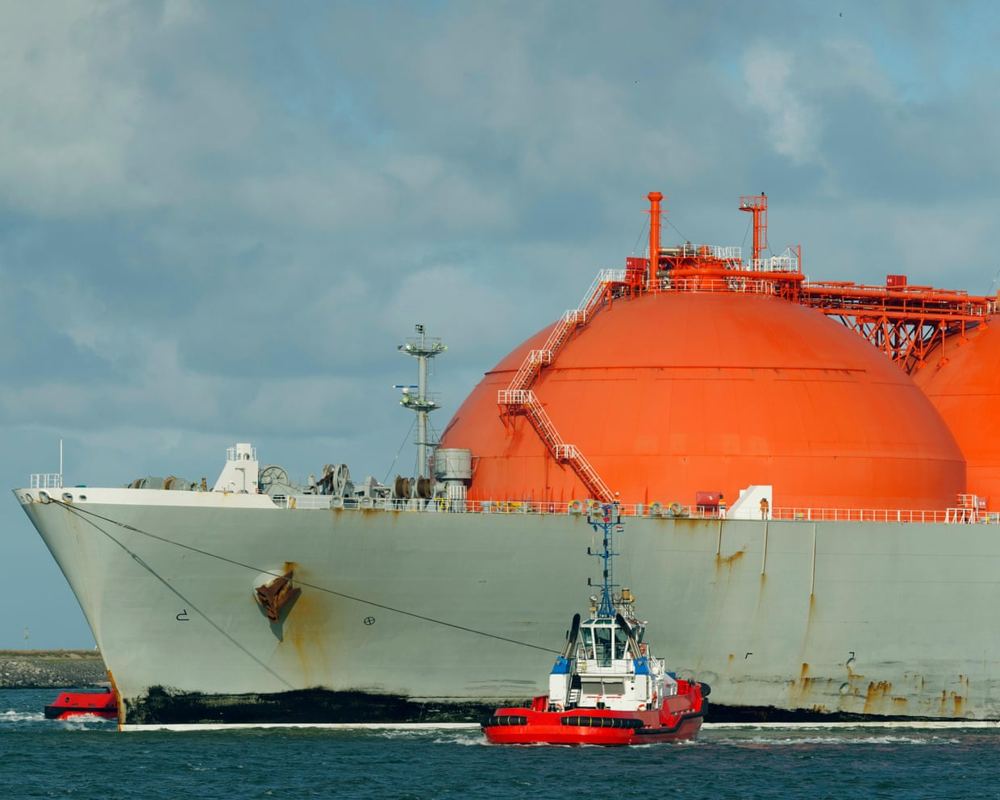
Escalating US-Iran military strikes have severed Gulf LNG shipping routes, pushing European gas prices to a four-month high and threatening costly state intervention to meet winter storage targets.
European natural gas benchmarks surged on Monday as the US-Iran conflict escalated into strikes on Bahrain and Kuwait. The Dutch front-month contract briefly topped €60 per megawatt hour, a four-month high, before easing to around €57.
The military escalation has effectively choked a critical supply artery for Europe. Independent Commodity Intelligence Services (ICIS) noted that only 26 liquefied natural gas cargoes have transited east out of the Gulf since hostilities began on February 28. That compares to a typical monthly flow of 90 to 100 cargoes.
This bottleneck is derailing the anticipated recovery of Qatari LNG exports precisely when Europe needs to build winter inventories. EU gas storage currently sits below 54%, trailing last year's 64% pace. Consequently, ICIS cut its 2024 global LNG supply forecast by 10 million tonnes to 431 million.
The supply deficit means European buyers will likely pay around €54 per MWh this autumn to restock. Andreas Schroeder, head of energy analytics at ICIS, warned of the financial toll. "A cold winter start would substantially increase the cost of meeting the EU’s 80% storage target," he said. "While security of supply remains achievable, the cost of achieving it rises sharply."
If prices remain anchored near €60, ICIS warned of "potentially costly state intervention to safeguard security of supply." While modelling suggests the bloc can still hit its late-November targets, the margin for error is thinning.
The geopolitical shock rippled into oil markets, with Brent crude briefly breaching $90 a barrel on Sunday before easing amid reports of ongoing diplomatic back-channels, underscoring the limits of regional energy policy. "Gas prices rising to near the peaks of the start of the US-Iran war is a reminder that whatever we do in the UK, it has no significant impact on the price we pay for gas," said Jess Ralston, head of energy at the Energy and Climate Intelligence Unit. "The reality is that we are tied to international markets and the volatility that has come twice in the past few years from war thousands of miles away."