Yields on key US Treasury bonds reached new highs, but for the 10-year demand was especially strong
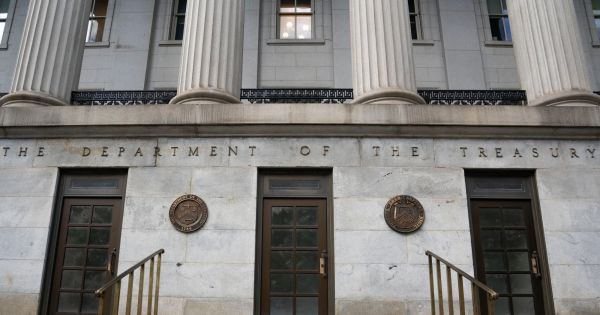
Yields on key US Treasury bonds touched fresh 24-year highs Wednesday as the latest global bond sell-off picked up steam. The 10-year Treasury yield rose as high as 5.36%, and the 30-year Treasury yield hit 5.73% — the highest for each since 2002.
Yields on key US Treasury bonds touched fresh 24-year highs Wednesday as the latest global bond sell-off picked up steam. The 10-year Treasury yield rose as high as 5.36%, and the 30-year Treasury yield hit 5.73%, the highest for each since 2002.
However US bond yields pulled back later in the day following a Treasury Department auction of US$39 billion worth of 10-year bonds, for which there was a strong demand of US$ 108 billion. But at 5.3%, the yield on the auctioned bonds was the highest of any U.S. government sale of 10-year debt since November 2000.
The Treasury sold $39 billion of 10-year notes in an auction on Wednesday. According to BMO, the sale was “strong”, with higher than average bidding from non-dealers.
Indirect bidders, which include global central banks, took 80.3% of the auction, above a 10-auction average of 72.4%. Direct bidders scooped up 17.1% of the sale just below an average of 18.3%. Dealers, meanwhile, bought just 2.5% of the notes offered, well below a 9.4% mean.
Benchmark government bonds in France and Italy also rose sharply. The yield on the UK 30-year government bond hit its highest level since 1998 at 6.029%, and fell to 5, 94%.
Overnight, International Monetary Fund chief Kristalina Georgieva warned that governments urgently need to take steps to get their unprecedented debt under control. She also predicted that government bond yields around the world would remain under pressure because of the ever-expanding artificial intelligence boom.
“Policymakers had a relatively easy ride over the last 17 years, as for all that time interest rates were stuck below GDP growth rates,” Georgieva said in a speech. “Higher interest rates now put an end to that.”
Her comments followed multiple reports that Elon Musk’s SpaceX plans to raise $40 billion in cash to buy AI chips from Nvidia. NBC News has not independently confirmed the reports, and SpaceX did not immediately reply to a request for comment.
If the company follows through, that borrowed $40 billion would join hundreds of billions more in bond sales by AI-linked companies in recent years. The companies are using the money to build data centers and buy equipment with which to fill them.
Some economists believe the vast sums of money being borrowed by private AI companies could pile additional pressure on government bond yields.