China agrees to ‘halve’ hybrid car exports to EU in landmark deal
Brussels says Beijing’s shipments could fall by more than half over four years, cutting millions of vehicles amid fears for European jobs The EU said it has reached a landmark deal with China to “halve” its sales of hybrid cars in the bloc amid fears surging sales could kill off parts of the European car industry. Trade commissioner Maroš Šefčovič said the deal was the first of its kind and the result of “intense” negotiations with China since June to curb a trade deficit of €1.18bn (£1bn) a day, which has caused mounting tensions between the two economic powers. Continue reading...
Brussels says Beijing’s shipments could fall by more than half over four years, cutting millions of vehicles amid fears for European jobs
The EU said it has reached a landmark deal with China to “halve” its sales of hybrid cars in the bloc amid fears surging sales could kill off parts of the European car industry.
Trade commissioner Maroš Šefčovič said the deal was the first of its kind and the result of “intense” negotiations with China since June to curb a trade deficit of €1.18bn (£1bn) a day, which has caused mounting tensions between the two economic powers.
The deal “opens the prospect of cutting China’s export [of hybrids] by more than a half”, Šefčovič said, adding that this would translate into a reduction in exports of plug-in and battery-powered hybrid cars by “several millions” over the next four years, said Šefčovič said Šefčovič at a press conference in Beijing on Friday.
“It is the first time that China has accepted to moderate its exports without going through the phase of prior trade tension,” he said, a reference to the usual investigations that must take place before safeguards under WTO trading rules are put in place.
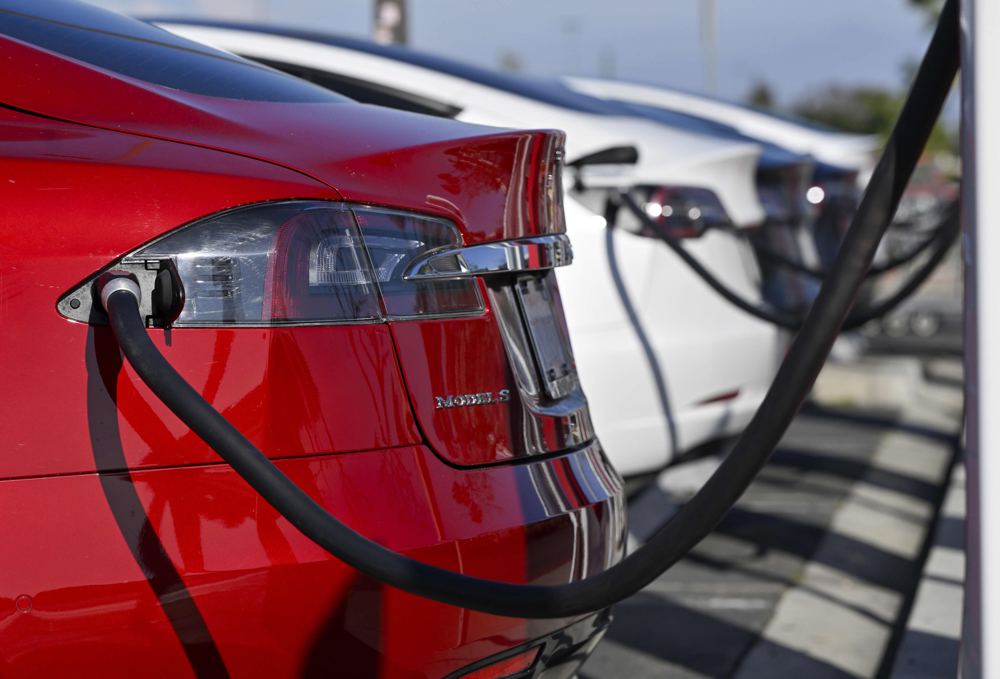
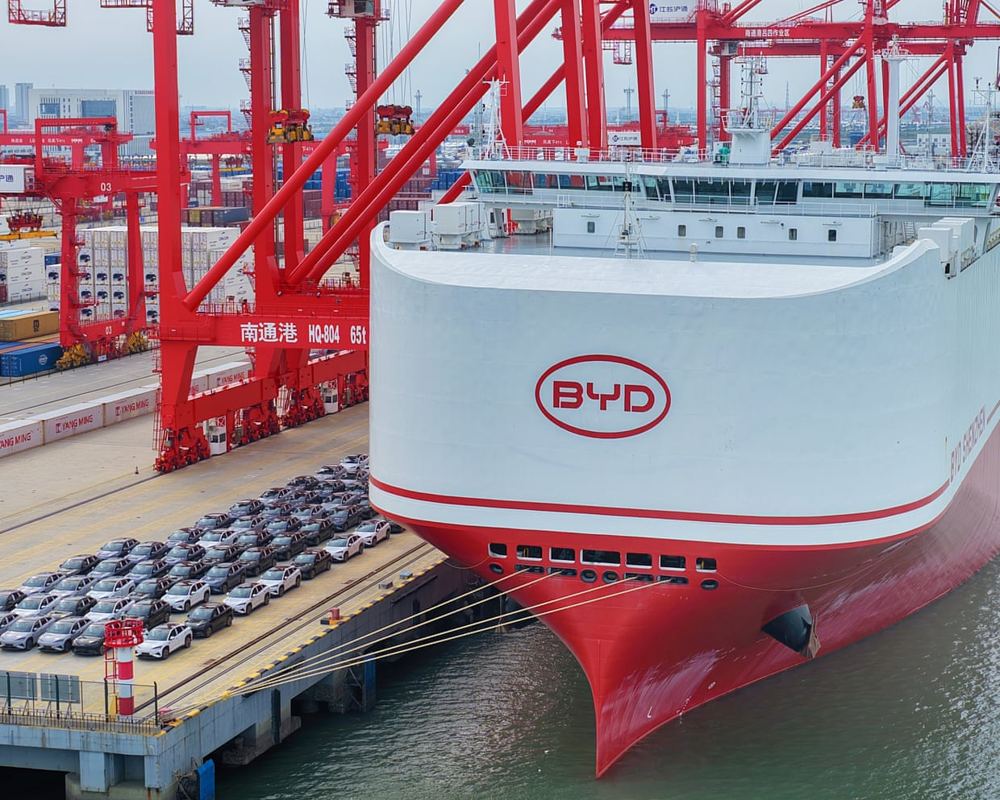
China has been flooding Europe with cars , including hybrids and pure battery electric vehicles (BEVs), threatening European manufacturers. Hybrids combine an internal combustion engine with a small battery. They are sold by carmakers as a transitional step towards BEVs.
Šefčovič said the Chinese had recognised the political pressure building in every member state in Europe with “literally thousands of job losses” at risk because of the flood of cheap imports from China across many sectors including chemicals and textiles.
He said EU leaders were “clearly expecting very fast action” from the European Commission and the Chinese recognised that.
“I am glad to say that the Chinese partners appreciated this very strong political argument, and therefore, we can proceed through the negotiated solution,” he said.
“This is far from the end. It’s a crucial first step, but only a first step,” Šefčovič told reporters in Beijing where he had travelled to hold talks with his Chinese counterpart.
Earlier this week senior EU officials said they were heading to Beijing to seek what they called a “proof of concept” or pilot scheme with one sector which they hoped could then be expanded to other areas under pressure from Chinese competition.
Šefčovič said he put “so much emphasis” on the negotiations because it was “very difficult to stop” a trade war once it was declared.
As part of a 16-point agreement, Beijing and Brussels will continue negotiating on cars, export restrictions on rare earths and access to China for more food and drink from the EU.
China said both sides would adhere to “procedures concerning company price undertakings” for hybrid cars suggesting one method of curbing sales would be to set higher minimum price tags for Chinese cars sold in Europe.
The EU commissioner will brief EU diplomats in Brussels on Sunday ahead of a leaders’ summit on Thursday.
A statement from the Chinese ministry of commerce said China is “willing … to continue facilitating the approval of export licenses for rare earths and permanent magnets destined for the EU”.
It added that both sides had “reaffirmed their commitment … to properly handle differences within the framework of WTO rules, and to continuing to stabilise and balance bilateral trade and economic relations”.
While China and the EU acknowledged “differences” between them it appears that China has accepted the EU’s request to create a new model for trade balances starting with a pilot on hybrid cars.