Warsh's Fed adopts scenario-based rate guidance
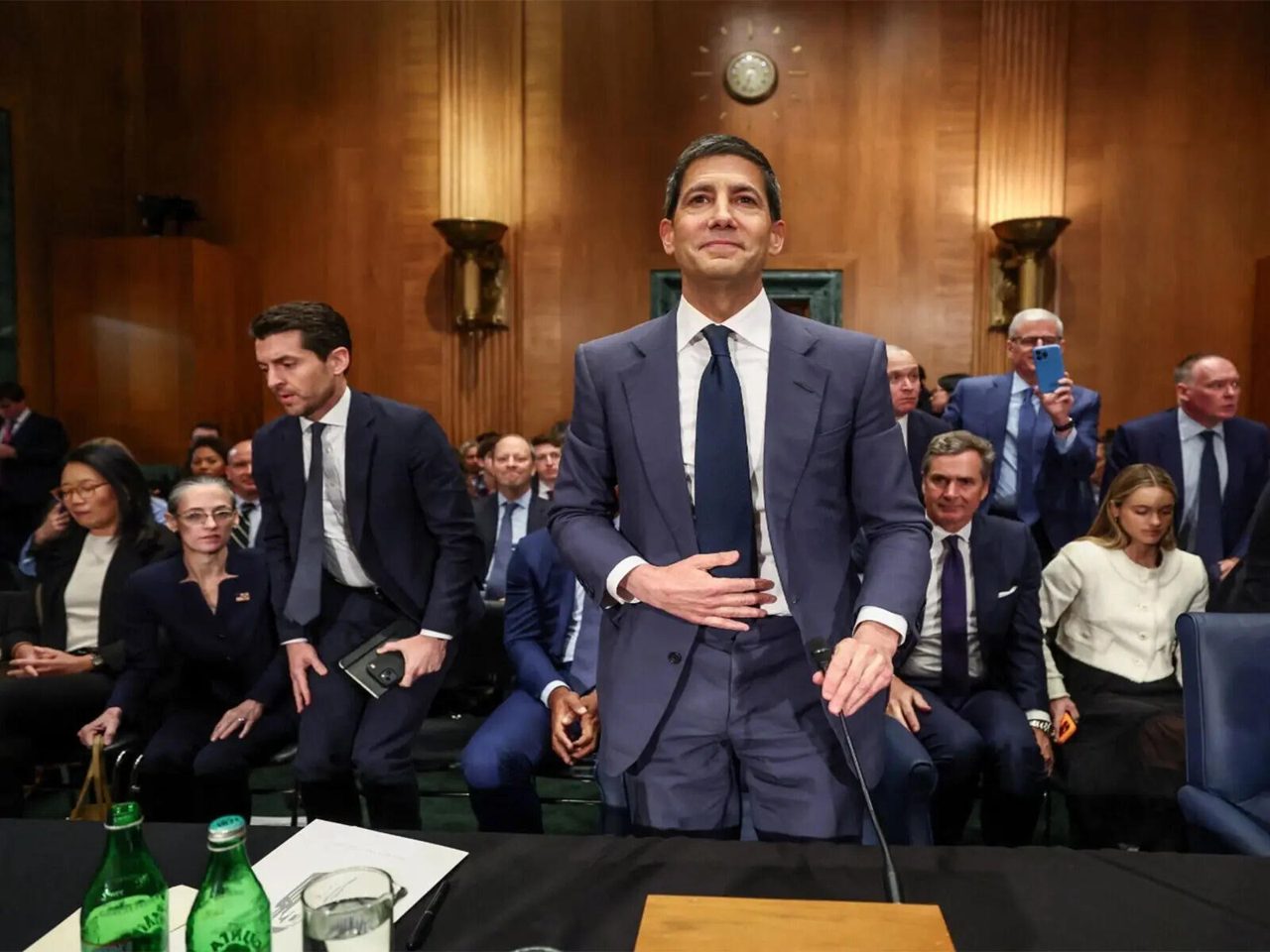
The Federal Reserve's latest minutes reveal a shift toward scenario-based policy under new Chair Kevin Warsh, leaving rate expectations squarely dependent on upcoming inflation data.
Federal Reserve officials signaled readiness to raise interest rates if inflation remains elevated, or hold steady if price pressures ease, according to minutes from the June meeting released on Wednesday. The document reflects a clear pivot in how the central bank communicates its policy outlook under new Chair Kevin Warsh.
The readout marked a departure from the risk-management language favored by former Chair Jerome Powell, which economists noted was entirely absent. "The minutes provide the clearest articulation yet of the Fed's reaction function under Chair Warsh, marking a shift from broad risk-management language toward explicit scenario-based policymaking," wrote Gregory Daco, chief economist at EY-Parthenon.
The minutes outlined overlapping camps: "most" participants see a path where inflation eases, prompting "almost all" to support holding or cutting rates. Conversely, "most" also see scenarios where inflation stays high, which would lead "almost all" to back policy firming.
This nuanced framing left some analysts underwhelmed. "The short version is: if inflation comes down, rates could come down, but if inflation doesn't come down, rates could go up!" J.P. Morgan chief U.S. economist Michael Feroli wrote, titling his note "Milquetoast minutes reflect divided dots."
Dovish undercurrents
Beneath the balanced language, some forecasters detected a slightly more accommodative tilt compared to the April 28-29 meeting. Omair Sharif, president of Inflation Insights, pointed out that the June minutes dropped April's warning that a "vast majority" expected inflation to take longer to reach 2%.
The latest minutes also noted a "majority" felt long-term inflation measures were stable, a slight downgrade from "most" in April. "This clearly seems more dovish," Sharif wrote, noting the shift suggests greater confidence that temporary disruptions will fade.
Data and diplomacy in focus
Policymakers expect near-term inflation to stay elevated before declining as the impacts of tariffs and Strait of Hormuz disruptions wane. The Consumer Price Index rose 4.2% for the year through May, and services sector inflation remains a core concern for the central bank.
Next week's June consumer and producer inflation reports will be critical, particularly as U.S. hostilities with Iran flare and oil prices fluctuate near pre-war levels amid ceasefire talks. "I still think we need to be data-dependent," New York Fed President John Williams said on Thursday, ahead of Warsh's first Congressional appearance since taking the reins in late May.