Colombia Cracks Down on Fake IDs After 1,830 Cases
Colombia's registry, prosecutors and government agreed joint action on identity fraud tied to migrant trafficking after 1,830 IDs were cancelled. The post Colombia Cracks Down on Fake IDs After 1,830 Cases appeared first on The Rio Times .
Colombia’s civil registry says foreign smuggling networks buy their way into Colombian identities with forged birth records.
Colombia identity fraud linked to migrant trafficking is now a joint priority of the civil registry, prosecutors and the presidency. The National Civil Registry announced the plan on Thursday, 8 October, after a meeting with President Abelardo De La Espriella.
The registry says it has cancelled about 1,830 Colombian ID cards that foreigners obtained irregularly since 2024. For Washington, a close security partner, the stakes are clear: a Colombian ID card is the first step to a Colombian passport.
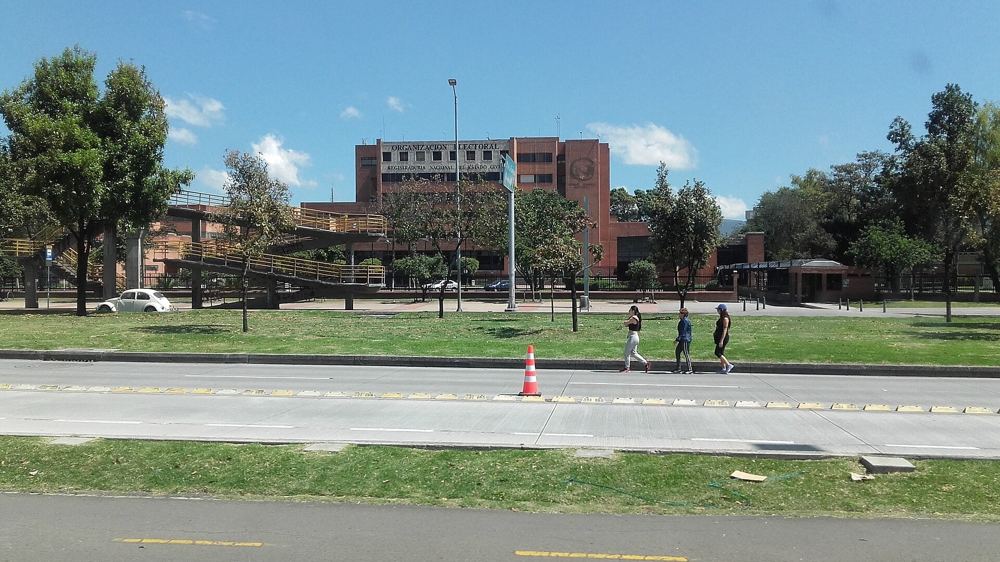
The National Civil Registry, the Registraduría Nacional del Estado Civil, runs elections and issues birth records and ID cards. Its head, Registrar Hernán Penagos, reported the meeting in press release No. 155.
According to the release, the agencies agreed to combat migrant trafficking and false identity together. They will use data analytics and artificial intelligence and tighten the registry’s internal controls against fraudulent Colombian identities.
Since 2024, the registry has annulled or invalidated 765 birth records over irregular registration. It has also cancelled about 1,830 citizenship ID cards, the cédula de ciudadanía, obtained irregularly by foreigners.
Penagos said transnational criminal organisations use birth records and fake apostilles from other countries to obtain Colombian ID cards. An apostille is an international stamp that certifies a foreign public document.
He also said Colombians act as witnesses and declarants when foreigners register births. That conduct is a crime that carries criminal consequences, the registry said in reporting his remarks.
The registry’s data analytics and artificial intelligence group has flagged citizens who served as witnesses in more than 2,000 birth registrations. It also found anomalies where people appear as parents on more than 50 birth records.
De La Espriella is a conservative lawyer who took office in August with a hard line on crime. Attorney General Luz Adriana Camargo, who heads the independent prosecution service, also attended, the registry said.
The release lists Justice Minister Iván Cancino, Defence Minister Jorge Eduardo Mora and the military and police commanders. José Luis Castañeda, director of the immigration agency Migración Colombia, was also there.
El Tiempo, the Bogotá daily, reported that the meeting took place at the Casa de Nariño presidential palace this week. It said Foreign Minister Omar Bula attended and Ambassador to the United States María Consuelo Araújo joined virtually.
The paper added that the president has separately ordered operations to identify and deport migrants in an irregular situation. Migración Colombia and the police are in charge of those operations, El Tiempo said.
Colombians need a visa to enter the United States, so a fraudulent Colombian identity matters to US consulates and border agents. Tighter checks in Bogotá reduce the risk that smuggling networks pass people off as Colombian citizens.
Foreign residents in Colombia should expect closer scrutiny of birth records, apostilles and ID applications. Anyone asked to act as a witness for a stranger’s birth registration should decline, given the criminal liability Penagos described.
For businesses, the plan signals more data checks on identity documents used to open accounts and sign contracts.
Neither the registry nor El Tiempo gave the exact date of the meeting. The registry did not name the nationalities of the foreigners involved or the countries whose records were forged.
It is not known how many people have been charged. No budget, timeline or new legislation was announced, and no role for US agencies was described.
The registry will apply its analytics and artificial intelligence tools to new and existing registrations. Prosecutors under Camargo would handle any criminal cases against witnesses and network organisers.
The announcement does not cancel any ID card automatically. Each irregular record goes through the registry’s own annulment process.
The civil registry said it agreed joint action with prosecutors and the government against identity fraud tied to migrant trafficking. The plan relies on data analytics, artificial intelligence and tighter internal controls.
The registry says it has cancelled about 1,830 ID cards obtained irregularly by foreigners since 2024. It has also annulled or invalidated 765 birth records.
According to the registrar, they use foreign birth records and fake apostilles, with Colombians acting as witnesses. He said serving as such a witness is a crime.
A Colombian ID card is the basis for a Colombian passport, which US consulates and border agents vet. Colombia’s ambassador in Washington took part in the meeting by video, El Tiempo reported.
Sources: Registraduría Nacional del Estado Civil, press release No. 155 ; El Tiempo (all accessed 9 October 2026).
Editorial responsibility: Matthias Camenzind , Editor-in-Chief · Editorial standards · Report an error