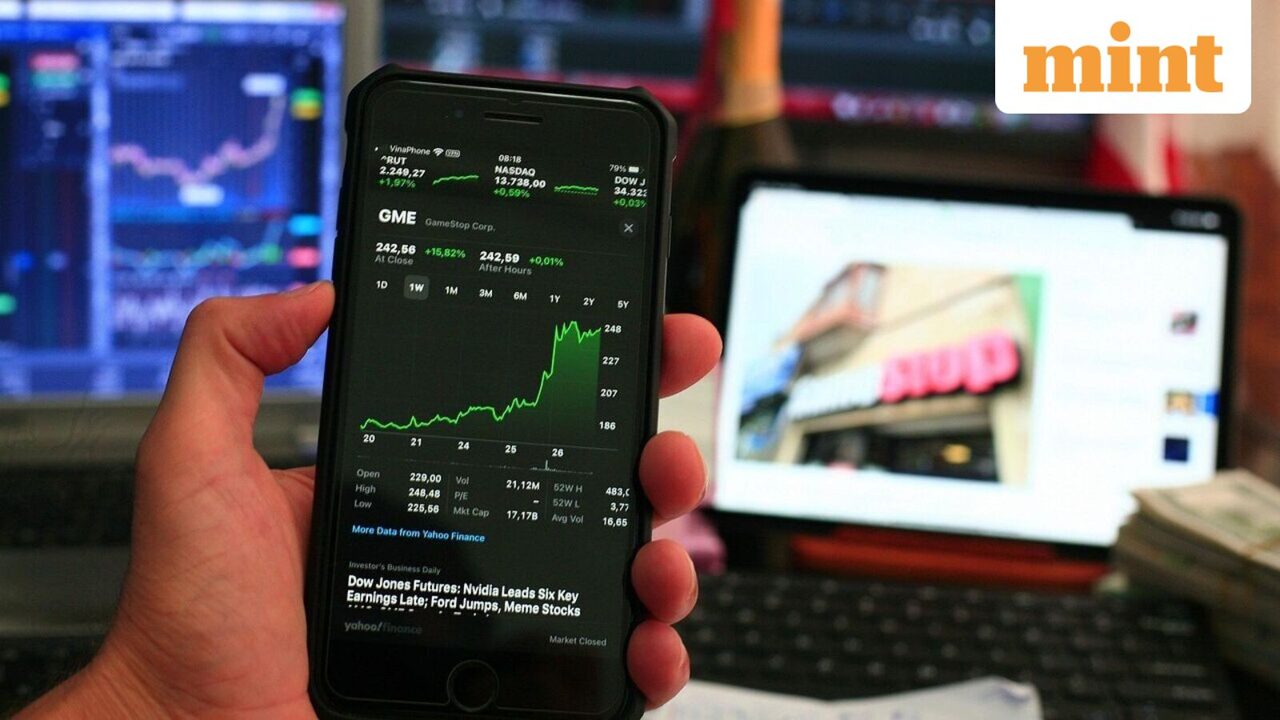
AI Earnings Meet Iran Oil Risks in Pivotal Week for Markets

TSMC earnings, pivotal US inflation data, and the collapse of an Iran ceasefire will test whether the AI-driven equity rally can survive a sudden surge in geopolitical risk and energy prices.
Global markets face a critical stress test this week as US President Donald Trump's declaration that an interim Iran ceasefire is "over" collides with the start of a major earnings season and pivotal inflation data. The move has immediately reignited volatility, pushing oil briefly above $80 a barrel and threatening to complicate the outlook for interest rates.
The geopolitical shock serves as a direct challenge to the broader equity rally, which has been largely fueled by optimism around artificial intelligence. While crude flows through the Strait of Hormuz are currently picking up, traders are aggressively hedging against further price spikes. LSEG data shows the biggest jump in options holdings is for the right to buy Brent between $86 and $91 by the end of July, though large put positions at $69 and $70 remain as a safety net.
Against this backdrop, the AI trade itself will be put under the microscope when TSMC reports second-quarter earnings on Thursday. The world's largest advanced chip manufacturer has signaled it is struggling to keep up with demand and hinted at price increases to avoid becoming a supply chain bottleneck. The results follow SK Hynix's blockbuster $26 billion US share sale, keeping the debate alive over whether the semiconductor rally has run its course.
The corporate picture will begin to clarify even earlier, with Wall Street's largest banks kicking off the US earnings season. Expectations are running remarkably high, with LSEG IBES forecasting a hefty 23.4% jump in second-quarter earnings for S&P 500 companies year-on-year. Investors are banking on another strong quarter to justify current valuations, building on a first quarter that easily surpassed forecasts.
However, corporate profits could be overshadowed by macroeconomic signals, starting with June consumer price inflation on Tuesday. A softer-than-expected June jobs report recently calmed fears of an overheating economy, but investors remain focused on the Federal Reserve's ongoing unease over inflation persistently above its 2% target. New Fed Chair Kevin Warsh will deliver his first monetary policy testimony to Congress on Tuesday, alongside the release of June producer prices on Wednesday.
The week's data deluge concludes with updates on the world's second-largest economy. Chinese export figures on Tuesday are expected to show 18% year-on-year growth in June, a slight cooling from May's 19.4% but still driven by tech demand. The sterner challenge arrives on Wednesday with second-quarter GDP, forecast to slow to 4.5%, though most of this period preceded the outbreak of the Iran war.