Berkshire Hathaway buys $10bn Alphabet stake in private placement
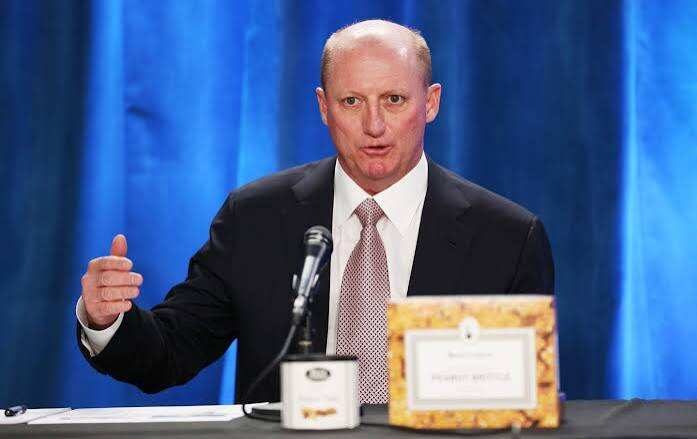
Greg Abel is deploying Berkshire Hathaway’s record cash pile into Alphabet, making the AI-focused search giant one of the conglomerate's top five holdings and marking a strategic shift from his predecessor's tech aversion.
Berkshire Hathaway agreed last month to buy $10 billion of Alphabet shares through a private placement, according to the Google parent. The purchase builds on a position initially initiated in the third quarter of last year. By March 31, Berkshire's total Alphabet holding had reached $16.6 billion.
This latest investment elevates Alphabet to one of Berkshire’s five largest common stock holdings, trailing only Apple. It represents the first major strategic shift in capital deployment since Greg Abel assumed the CEO role in January. Abel is now putting the company's nearly $400 billion cash reserve to work.
The move stands in stark contrast to the historical approach of predecessor Warren Buffett, who famously avoided technology stocks for years. Buffett previously admitted that his failure to understand how early tech giants like Google generated revenue cost Berkshire investors a lot of money.
Buffett eventually broke his tech aversion with Apple, investing roughly $35 billion between 2016 and 2018. That stake later ballooned to about $185 billion before tax, including dividends and gains. "And I didn't have to do a damn thing," Buffett said of the Apple trade.
Abel's heavy weighting toward Alphabet signals a deliberate effort to capitalize on the artificial intelligence cycle, a sector Buffett historically shunned. However, analysts at Morgan Stanley have cautioned that clear evidence justifying the massive capital expenditures on AI infrastructure remains elusive.
Alphabet and Amazon have committed billions to scale their AI capabilities, a spending spree that has skyrocketed the share prices of semiconductor companies. Morgan Stanley warned that the current AI frenzy is most likely to end due to market pushback against this continued spending rather than hyperscalers voluntarily scaling back.
Because this infrastructure spending is increasingly funded with borrowed money, any sudden market-driven pause could have downstream consequences. Memory chip manufacturers like Samsung are particularly vulnerable to a disruption in AI capital expenditure.