Bolivia Central Bank Keeps 9.2% Inflation Forecast
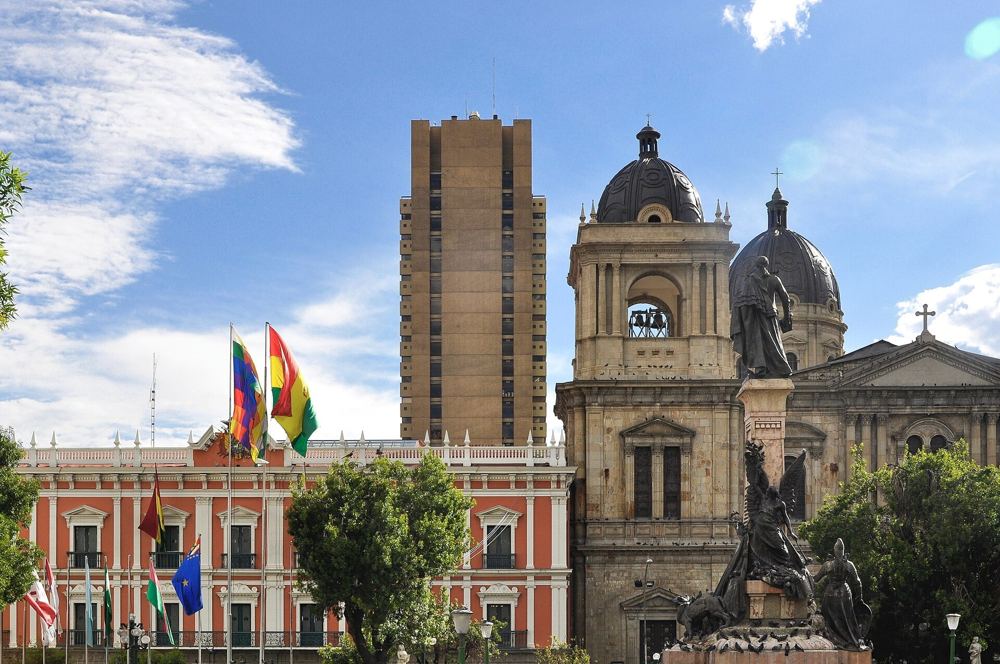
Bolivia's central bank kept its 9.2% year-end inflation forecast on Wednesday despite pricier diesel, as a US$1.9 billion IMF loan begins to flow. The post Bolivia Central Bank Keeps 9.2% Inflation Forecast appeared first on The Rio Times .
The central bank says low August and September readings offset pricier diesel, keeping its year-end goal in single digits.
The Banco Central de Bolivia (BCB) held its Bolivia inflation forecast at 9.2% for December on Wednesday, 7 October. The figure is an early test of the US$1.9 billion International Monetary Fund (IMF) loan that began paying out this week.
The bank kept the number unchanged although Bolivia ended its diesel subsidy in late September. Lower-than-expected inflation in August and September, it said, offsets the cost of pricier fuel.
For US bondholders, the IMF and anyone paid in bolivianos, the Bolivia inflation forecast is a benchmark. Annual inflation was 5.70% in September, down from 9.2% in June and far below the 20.4% recorded for 2025.
The forecast comes from the BCB’s third-quarter Inflation and Monetary Policy Report, published on Wednesday. Interim central bank president David Espinoza Torrico signed its foreword.
The bank says two opposing effects cancel out. August and September undershot its earlier projections, while the diesel increase should reach shop prices between October and December.
Core inflation, which strips out volatile items, held around 1.2%, a sign that supply shocks have not spread widely. Prices have risen 3.88% since last December, so a 9.2% finish implies roughly 5% more before year-end, on simple arithmetic.
The bank warned that the adjustment is not yet consolidated. Producer prices accelerated from 7.64% to 10.74% between June and August, the report shows.
The share of products with price rises climbed from 61.5% to 73.3%, and favourable base effects have run out. The bank lists risks including a delayed pass-through from the exchange rate, social conflict and blockades, and an exceptionally strong El Niño.
The IMF, a Washington-based lender whose largest shareholder is the United States, reached a staff-level deal with Bolivia on 29 July. The 36-month arrangement is worth SDR 1,369 million (about US$1.9 billion) and aims to rebuild reserves.
The IMF board approved it on Friday, 2 October, the Economy Ministry said, according to El Deber. The Santa Cruz daily reported on Tuesday that the BCB had received a first US$211.3 million tranche.
El Deber reported that the IMF programme projects higher inflation, at 14.2% by December and 10.7% in 2027.
The BCB report says IMF and other external disbursements this quarter will let the Treasury avoid borrowing from the central bank. Ending that monetary financing of the deficit is a core aim of the IMF deal.
Bolivia floated its currency on 26 June, ending a fixed rate that the BCB says no longer reflected the dollar’s value. The official rate jumped from 9.76 bolivianos per dollar in early July to 12.15 at the end of that month.
On Thursday, 8 October, the BCB’s official rate was 11.85 bolivianos per US dollar. Conversions in this article use that rate.
Exports are bringing in dollars: the trade surplus reached US$2,029 million from January to August, the highest since 2022. That let the BCB buy US$406 million of reserves, far above its US$100 million annual goal, plus 4.1 tonnes of gold.
The report also notes that the US Federal Reserve raised rates by a quarter point in September, to 3.75% to 4.00%. Higher US Treasury yields, it says, have made foreign borrowing costlier for emerging economies.
The BCB now expects output to shrink 3.39% this year, a smaller fall than the 3.63% in its previous report.
Mining, lifted by gold and silver prices, and farming support activity. Manufacturing, construction, trade and transport remain held back by limited fuel supplies.
At 9.2% inflation, the bank estimates 298,000 more Bolivians could fall into poverty, taking the total to about 5.7 million. That would be 47.1% of the population.
For holders of Bolivian dollar bonds, the Bolivia inflation forecast is a yardstick for IMF reviews that govern later payments. The report notes that the main rating agencies have upgraded Bolivia, citing the currency float and fuel subsidy cuts.
For travellers, expats and families sending money from the United States, a dollar buys 11.85 bolivianos officially, against 9.76 in early July. Local prices may rise faster through December as diesel costs reach shops.
Bank dollar quotes can now differ, so compare them before changing large sums. September’s price data are covered in Bolivia Inflation Rises to 5.70% as Tomatoes Jump 38% .
The report does not say how much the diesel increase alone will add to prices. It also does not explain why its forecast sits well below the 14.2% that El Deber attributes to the IMF programme.
The IMF document could not be checked. The Economy Ministry had cited US$214 million; the lower sum received may reflect moves in the IMF’s own currency unit.
The next monthly figure from INE, the national statistics institute, will cover October, the first full month of the diesel increase. In the fourth quarter, the BCB caps base money, its main policy anchor, at Bs 134 billion (about US$11.3 billion).
It plans an interest-rate corridor in 2027 and its first explicit inflation target, to be announced in 2028, for 2030. The next quarterly report is due on Monday, 11 January 2027.
A 9.2% finish would not mean falling prices, only a slower rise than in 2025.
The Banco Central de Bolivia expects inflation of 9.2% in December 2026, unchanged from its previous forecast. Inflation was 20.4% in 2025.
Inflation in August and September came in below the bank’s projections, lowering the starting point. The bank says this offsets the diesel effect.
The official rate was 11.85 bolivianos per US dollar on Thursday, 8 October 2026. The boliviano has floated since 26 June.
The IMF arrangement is worth about US$1.9 billion over 36 months, and a first tranche of US$211.3 million has arrived. It aims to keep central bank financing of the deficit at zero.
No. The central bank expects output to shrink 3.39% in 2026, a smaller fall than the 3.63% it forecast before.
Sources: Banco Central de Bolivia, Reporte de Inflación y Política Monetaria, third quarter 2026 ; BCB report summary ; BCB official exchange rate, 8 October 2026 ; INE, Censo 2024 population ; IMF press release 26/268 ; US Federal Reserve, open market operations ; El País (Tarija) ; Red Uno ; Visión 360 ; El Deber (IMF tranche) ; El Deber (IMF targets) (all accessed 8 October 2026).
Editorial responsibility: Matthias Camenzind , Editor-in-Chief · Editorial standards · Report an error