Gulf Tensions Keep Oil Prices Elevated Despite No Supply Disruptions
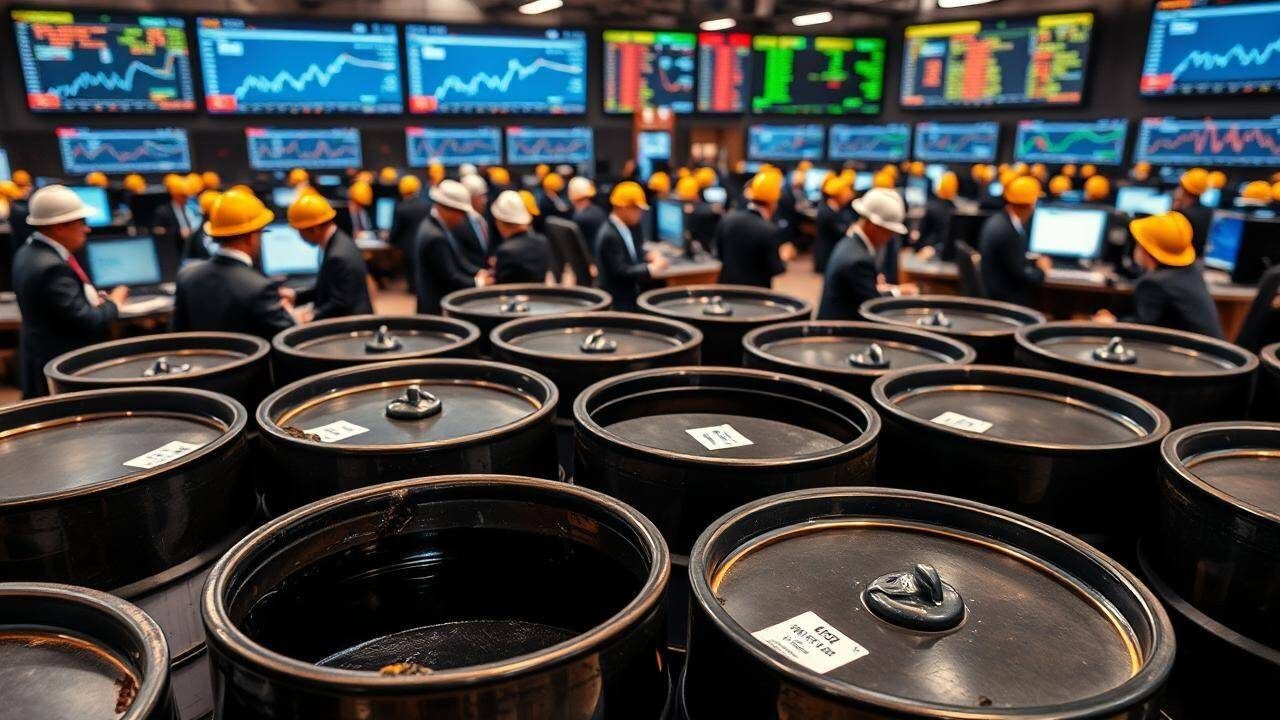
A breakdown in the US-Iran understanding is embedding a risk premium in crude markets, threatening to reignite global inflation and widen trade deficits for major importers like India even though physical oil flows remain intact.
Recent hostilities between the United States and Iran have resulted in reported casualties and damage inside Iran, ending a fragile detente between Washington and Tehran. The escalation has triggered sharp volatility in crude oil prices as markets price in the risk of a broader regional conflict.
So far, the price action is driven by geopolitical risk rather than actual supply shortages. Large-scale disruptions to physical oil flows have not materialized, and a complete closure of the Strait of Hormuz remains unlikely because Iran relies on the waterway for its own exports and imports.
Instead of an outright blockade, the immediate threat to global trade is reduced shipping efficiency and higher transportation costs. Nearly 20% of global oil trade transits the Strait, and Iran's objective appears to be leveraging that volume to extract diplomatic concessions and assert regulatory influence rather than halting traffic.
For the global economy, sustained elevated oil prices pose a distinct macroeconomic problem. Higher energy costs feed into transportation, manufacturing, and electricity prices, creating fresh inflationary pressures. This complicates the calculus for central banks currently seeking to cut interest rates to support economic growth.
Gulf states are working to contain the fallout. Saudi Arabia, the UAE, Oman, and Kuwait are maintaining public caution to avoid exposing their energy exports to political risk, while pursuing back-channel diplomacy to prevent further escalation.
Major crude importers are highly exposed to this uncertainty. India, which sources more than 80% of its crude oil from abroad, faces the direct threat of a widening trade deficit and rising domestic inflation if prices remain firm. As a result, near-term domestic fuel price cuts are highly unlikely.
The trajectory for crude will depend entirely on whether retaliatory strikes trigger a cycle of miscalculation. While prices are expected to maintain a positive bias in the short term, sustained and extreme rallies will ultimately require actual physical supply disruptions rather than the current climate of uncertainty.