DMart profit up 11% but margins slip as metro growth stalls
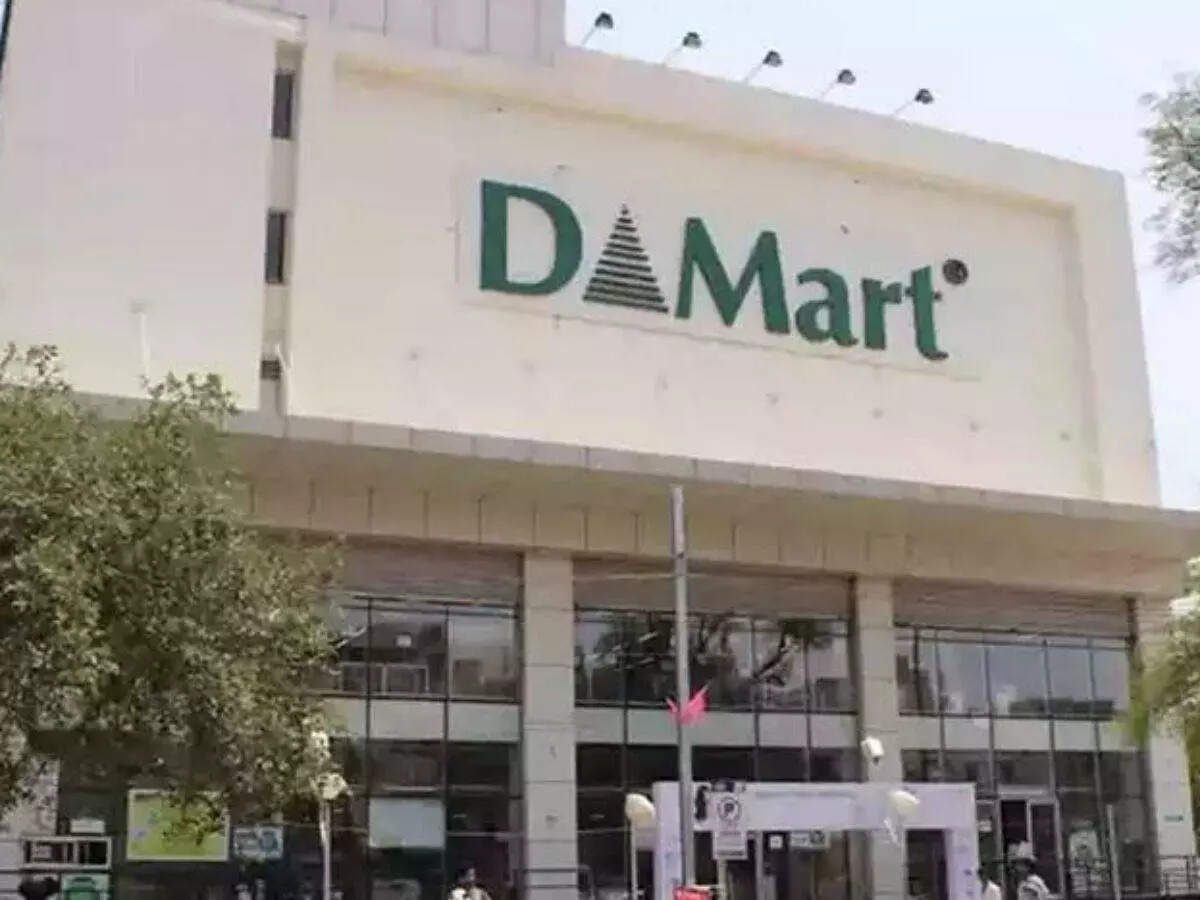
DMart's first-quarter revenue grew nearly 15% year-on-year, but flat sales in mature metro markets and slight bottom-line margin compression highlight a shifting growth dynamic for the retailer.
DMart reported an 11% increase in consolidated net profit to Rs 860 crore for the quarter ended June 30, 2026. This was driven by a 14.9% year-on-year surge in total revenue, which reached Rs 18,795 crore compared to Rs 16,360 crore in the prior-year period.
Operating profitability showed mixed signals. EBITDA rose 15.4% to Rs 1,499 crore, outpacing revenue growth to lift the EBITDA margin marginally from 7.9% to 8%. Despite this operating leverage, the bottom line did not keep pace. Profit after tax margin contracted to 4.6% from 4.7%, indicating that factors below the operating line pressured overall profitability.
Basic earnings per share grew to Rs 13.20, up from Rs 11.88 a year earlier, reflecting the absolute profit gain. On the operational front, the retailer added just three new stores during the quarter, bringing its nationwide footprint to 503 locations.
The most consequential detail for market professionals lies in the company's commentary on store-level performance. Management stated that growth in older, established stores located in large metropolitan areas remained entirely flat during the quarter. This is significant because these particular locations generate significantly higher revenue per square foot than the broader portfolio.
To compensate for this metropolitan stagnation, DMart is leaning on its non-metro locations, which continued to deliver healthy growth. For a retailer historically valued on the premium economics of its high-density urban stores, this geographic rebalancing carries weight. It suggests that same-store growth in the most lucrative markets is slowing, forcing the company to rely on newer, potentially lower-yield geographies to maintain its top-line trajectory.
Investors will need to determine whether this is a temporary demand blip in India's largest cities or a structural shift toward saturated urban markets. If metro flatness persists, sustaining historical margin expansions will become increasingly difficult, even as overall revenue continues to climb.