Trump Reimposes Iran Blockade, Solidifying $80 Oil Floor
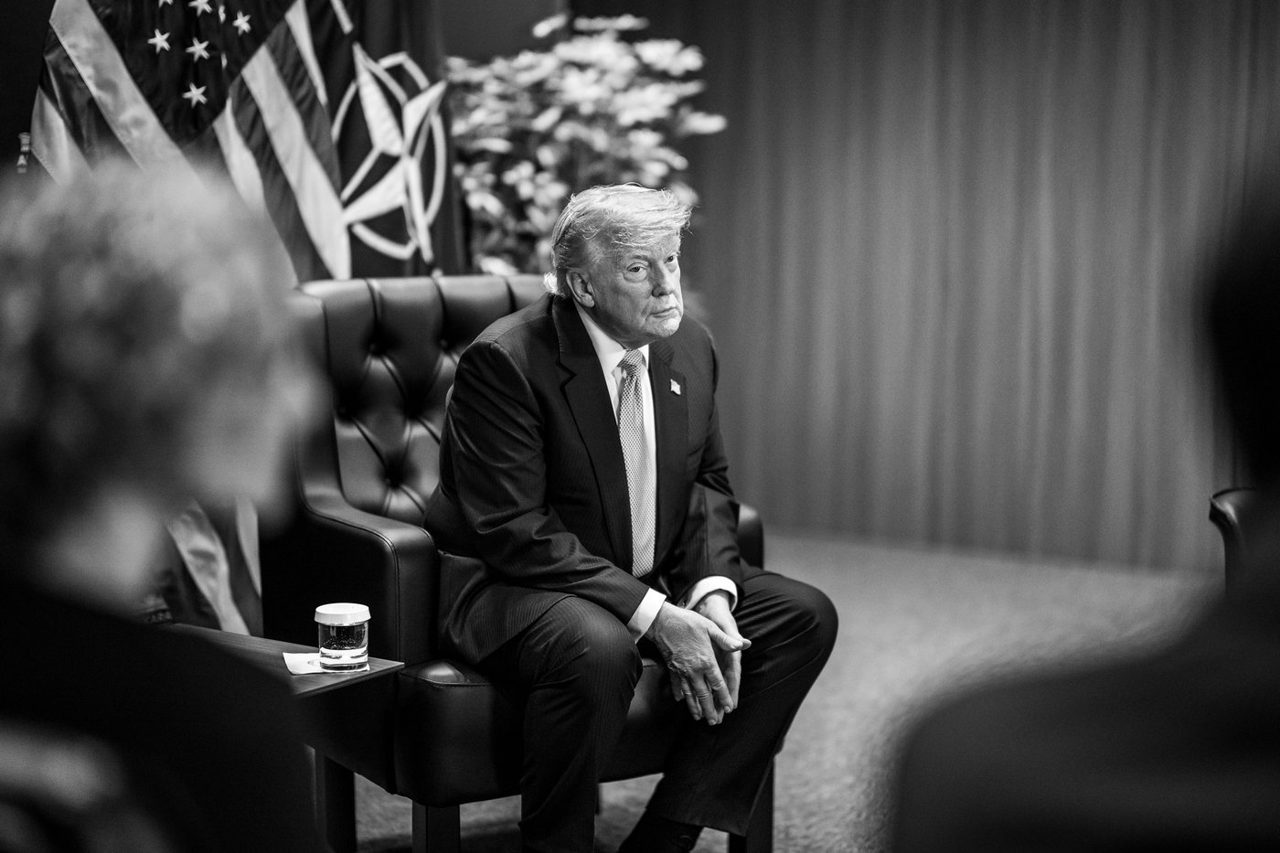
President Trump's decision to reimpose a naval blockade on Iran is poised to establish $80 as a floor for crude prices, rewarding integrated oil majors while draining US strategic reserves.
President Trump reimposed a naval blockade against Iran on July 14 after the latest round of ceasefire negotiations collapsed. The decision returns the conflict to a state of active escalation, with both sides continuing daily attacks and showing no signs of de-escalation.
The core financial risk remains the Strait of Hormuz. Iran cut off most access to this vital transit route when the war began on February 28. The strait handles approximately 20% of the world's oil supply, and its prolonged disruption has fundamentally altered global supply chains.
Crude oil prices currently sit near $79 per barrel. This marks a significant recovery from the $68 level seen in early July, though it remains below the peaks exceeding $100 that characterized the market between March and May. Should the blockade persist, market expectations point to $80 establishing a firm price floor.
This pricing dynamic creates clear winners and losers within the energy sector. Pure-play refineries have been squeezed by the rising cost of their primary input. However, the broader exploration and production sector has experienced a lucrative year, characterized by surging profits and expanding margins driven by the supply shock.
The US government's primary tool for managing domestic price shocks is nearly exhausted. Authorities tapped the Strategic Petroleum Reserve to cushion the initial blow to consumers, but those reserves have reportedly fallen to their lowest level since 1983. This limits future intervention capabilities, leaving markets exposed to further supply constraints.
Consumers are already absorbing the impact. Elevated crude prices translate directly to higher costs at the gasoline pump, alongside increased expenses for travel and shipping across the broader economy.
For equity investors, integrated oil majors represent the primary beneficiaries of this sustained volatility. Companies like ExxonMobil and Chevron are constructed for exactly this type of market environment. Their business models span the entire energy pipeline: exploring and extracting crude, refining and transporting it, and selling end products like gasoline and diesel.
This vertical integration provides a crucial hedge. While no energy company is entirely immune to the logistical headaches caused by Middle Eastern supply shocks, integrated operators can capture the upstream margin gains from higher crude prices to offset downstream pressures. As the blockade drags on, this structural advantage is expected to keep cash flows robust for the sector's largest players.