Burnham takes UK premiership facing fiscal constraints and growth test
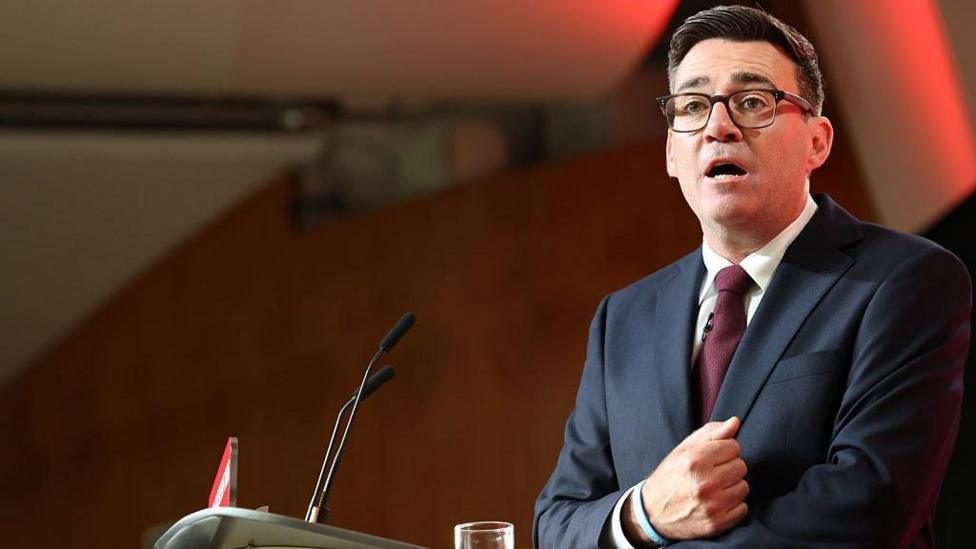
Andy Burnham becomes the UK’s fifth prime minister in four years with a pro-investment mandate, but rigid fiscal rules and rising defence and welfare costs threaten to limit his economic agenda.
Andy Burnham will assume the UK premiership later today, replacing Keir Starmer and becoming the country's fifth leader in four years. He takes office with an implied mandate to revive stagnant living standards through increased public and private investment. However, his policy ambitions face immediate testing against tight fiscal constraints and sluggish economic growth.
The UK economy has suffered from chronic underinvestment since 2007, a period exacerbated by Brexit, the pandemic, and an energy price shock. Living standards, which grew at 2.5% annually before 2007, have since grown at half that rate. Food prices have surged 40% in recent years, compounding the pressure on households and depressing corporate hiring to a five-year low.
Companies are reluctant to hire, a trend driven not just by recent economic weakness but by automation and higher labour costs. The hiring slowdown is heavily concentrated in retail and hospitality, sectors sensitive to rising minimum wages and taxes. A recent report by former Labour minister Alan Milburn warned that the erosion of these entry-level jobs could push youth NEETs to one in six.
Fiscal rules vs. growth
For bond markets, the critical question is how Burnham intends to fund his agenda. He has pledged to maintain the current government’s borrowing rules, which restrict debt issuance to capital investment and mandate a falling debt-to-GDP ratio. This caution is understandable given that debt interest currently consumes 10% of all government spending.
Chancellor Rachel Reeves estimated a £24 billion fiscal buffer before the US-Israel conflict eroded some of that headroom. Burnham’s proposals, which include greater state control of utilities to lower bills and expanded social housing, could easily exceed this wiggle room. Investors might tolerate a slight loosening of borrowing strictures if convinced the capital expenditure will generate durable GDP expansion, or Burnham may be forced to raise taxes.
Unavoidable spending pressures
Any discretionary spending plans must contend with rapidly rising mandatory costs. Welfare spending is projected to jump over 25% by 2030, driven by sickness benefits and the state pension. Lord Jim O'Neill, one of Burnham's new advisers, has backed reforming the expensive triple lock, though such a move carries severe political risk with older voters.
Defence presents another rigid cost pressure. The government remains committed to raising military spending to 3.5% of GDP by 2035, a target that former Defence Secretary John Healey quit over due to Treasury resistance. Meanwhile, housing supply continues to fall short, with new builds dropping 6% last year against a 300,000 target. Burnham’s ability to deliver growth will depend on whether he can unlock revenues without breaking his own fiscal rules.