WORLD IN BRIEF: Meloni seeks voice trademark, Finland halts Google data centre work, Kenya confirms first Ebola death and other stories
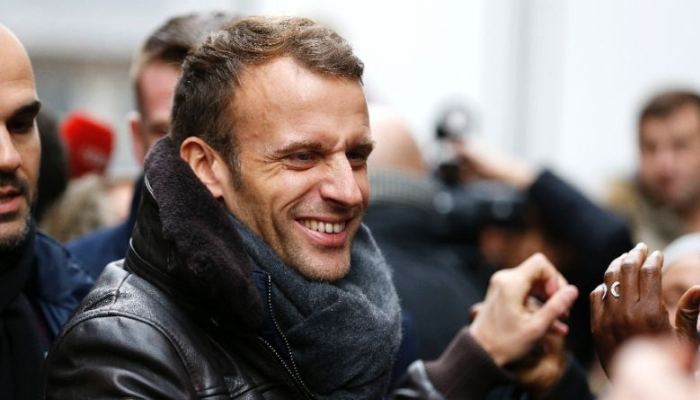
Tear gas fired as France school protests spread nationwide Hundreds of thousands of people took to the streets across France read more WORLD IN BRIEF: Meloni seeks voice trademark, Finland halts Google data centre work, Kenya confirms first Ebola death and other stories
Hundreds of thousands of people took to the streets across France as high school protests over overcrowded classrooms, teacher shortages and deteriorating school buildings spread to university students, parents and trade unions. Police used tear gas in Paris and Marseille and water cannon in Rennes, while clashes were reported in Lyon. The government said 891 high schools were disrupted on Tuesday, while more than 250,000 people demonstrated. Student unions put the number at 450,000. Prime Minister Sébastien Lecornu said 215 students, 85 school staff and 715 police officers had been injured since the protests began. In Marseille, masked protesters attempted to build barricades before riot police dispersed them with tear gas. Education Minister Édouard Geffray said “ultra-violent elements” had infiltrated the student movement, while the government faces growing pressure to address demands for more resources. France’s CGT union has announced further protests involving students and university groups for Thursday. Seventh person arrested over RAF Fairford security incident British counter-terrorism police have arrested a 22-year-old British national in connection with a security incident near RAF Fairford, bringing the number of arrests linked to the investigation to seven. The man was arrested in Westminster on Tuesday on suspicion of preparing terrorist acts. Police said the investigation remains active and officers are pursuing multiple lines of inquiry. Five men aged between 23 and 25 were arrested near the Gloucestershire airbase on September 27 after three suspicious vehicles were reported in the area. They were later released on police bail. A sixth suspect, a 25-year-old dual Iranian-British national, was arrested on October 1 and also released on bail. Read also: Trump says men arrested at US air base in UK were looking to do ‘big damage’ The incident triggered a major security operation and the evacuation of dozens of homes. RAF Fairford has hosted US Air Force bombers, but President Donald Trump said the US recently removed its aircraft from the base because of “some threats”, without providing further details. Cargo ship sinks after drone attack in Black Sea A civilian cargo ship sank after being attacked by drones in the Black Sea, with its crew missing, according to Bulgarian officials. A second grain vessel was also hit, but all 18 crew members were rescued. Bulgarian Prime Minister Rumen Radev said the attacks took place about 112km off the eastern Bulgarian coast, within the country’s exclusive economic zone. The sunken vessel, Alfa Watan, was Turkish-owned and flying the Togolese flag. The second vessel, Able, was flying the Palau flag and carrying grain. Its 18 crew members, including 11 Turkish and seven Indian nationals, were rescued, with two people injured in a fire. Radev condemned the incident as a violation of maritime law but did not directly blame Russia. European Commission President Ursula von der Leyen described attacks on civilian shipping as unacceptable as fighting in the Black Sea intensifies. Meloni seeks trademark protection for voice against AI deepfakes Giorgia Meloni, Italy’s prime minister, has applied to trademark her voice as she seeks protection against unauthorised artificial intelligence-generated deepfakes. The application was submitted to the European Union Intellectual Property Office and includes a four-second recording in which Meloni says “Io sono Giorgia”, or “I am Giorgia”, twice. Read also: AI revolution: Equipping students, others for the future of work The move reflects growing concerns over AI tools that can replicate the voices and images of public figures. Voice clones can be produced from short recordings, although more sophisticated replicas require larger amounts of training material. Other celebrities have taken similar steps, including United States actor Matthew McConaughey and singer Taylor Swift. More than 80 performers in Britain have also called for stronger legal protection against unauthorised use of people’s voices. Finland halts work on Google data centre sites over forest clearance Finnish authorities have ordered a halt to preparatory work at two planned Google data centre sites after concerns over the clearance of more than 300 hectares of forest. The Finnish Supervisory Agency said work at one of the sites in Muhos had been carried out without a mandatory environmental impact assessment. It ordered measures that could significantly alter the environment to be suspended by October 23. Preparatory work at the Muhos and Kajaani sites included removing trees and topsoil, building access roads and storage areas, and modifying drainage ditches. Tuike Finland, the company behind the projects, has been asked to explain how it will comply with the order. The projects form part of Google’s planned €13bn investment in Finland, described by the company as its largest single investment in Europe. Google said it had fallen short of its own standards and would follow the authorities’ guidance. AFRICA Kenya confirms first Ebola death as DRC outbreak spreads Kenya has confirmed its first Ebola case after a Kenyan national who had lived in the Democratic Republic of Congo for seven years died in Nairobi, raising concerns about the spread of the disease across borders. Health Minister Aden Duale said the patient fell ill about a month ago and received treatment at several hospitals in Congo before travelling to Kenya. The patient arrived in Nairobi by air on Saturday and was later taken to a hospital by a relative. Kenya has increased surveillance at airports and border crossings after the case was confirmed. The patient had travelled by road from Congo to Kampala before boarding a flight to Nairobi and tested positive for the Bundibugyo strain of Ebola. The Congo outbreak has killed more than 4,000 people and is the second deadliest known Ebola outbreak. The Bundibugyo strain is relatively rare and has no approved vaccine or treatment, although several vaccines are under development. Mali separatists withdraw from strategic northern town Kidal The Azawad Liberation Front, a separatist movement in northern Mali, has announced a “controlled withdrawal” from the strategic town of Kidal after months of fighting with forces aligned with Mali’s military government. The FLA said its withdrawal was prompted by airstrikes carried out by Mali’s military with support from Russian fighters. It described the move as temporary and said it was intended to preserve its fighters and logistical capabilities. The group seized Kidal six months ago during attacks across northern Mali that also killed the country’s defence minister. It had fought alongside Jama’at Nusrat al-Islam wal-Muslimin, the regional al Qaeda affiliate, in the offensive. The withdrawal represents a boost for Mali’s military authorities and their Russian allies as they seek to regain control of northern territory. Mali has been led by military rulers since coups in 2020 and 2021. Congo launches geological survey to unlock mineral potential The Democratic Republic of Congo has launched a nationwide airborne geological mapping programme aimed at identifying mineral deposits, reducing exploration risks and attracting investment into underexplored areas. The project will use high-resolution airborne geophysical surveys to improve knowledge of the country’s subsurface. Congo is the world’s largest cobalt producer and Africa’s biggest copper producer, but officials say less than 10% of its territory has been thoroughly explored. The programme, known as PC2G-RDC, is being implemented by the National Geological Service with technical support from Spanish geophysics company Xcalibur. It will initially cover Kongo Central, Kwango, Kwilu and Greater Kasai, building on previous surveys in Greater Katanga. Mines Minister Louis Watum Kabamba said the programme would increase the country’s geoscientific coverage to 46.1 percent from 22.27 percent. The government sees better geological data as a way to attract investment while increasing state control over information underpinning future mineral discoveries. South Africa warns of rising second-round inflation risks The South African Reserve Bank has warned that the risk of second-round inflation effects is increasing as higher oil prices persist and El Niño adds pressure to the economic outlook. The central bank said it would act decisively to prevent temporary price increases from becoming entrenched. It now expects inflation to return to its 3% target only in the fourth quarter of 2027, with inflation remaining above the bank’s tolerance band for much of the year. South Africa, a net fuel importer, is particularly exposed to higher global oil prices. Headline inflation stood at 4.4% in August, while the Reserve Bank said prolonged fuel, food and administered price shocks could feed into wages and broader price expectations. The Monetary Policy Committee has raised interest rates by a cumulative 50 basis points between April and October, including a September increase. The bank said it expects the real policy rate to remain restrictive before moving towards neutral from the second half of 2028. Ethiopia clashes intensify as airstrikes hit Tigray Airstrikes and artillery fire have hit northern Ethiopia’s Tigray region as federal forces and fighters linked to the Tigray People’s Liberation Front clashed, raising fears that fighting could widen. At least 17 people were reportedly killed in airstrikes northwest of Mekelle, according to a bulletin circulated among humanitarian organisations. Federal government forces took control of Tigray’s capital over the weekend. The government forces also exchanged artillery fire with TPLF-linked fighters, who are part of an alliance seeking to remove Prime Minister Abiy Ahmed’s government. The reports could not be independently verified. The renewed violence threatens to reopen a conflict that ended with a 2022 peace agreement after a devastating two-year war. Neither Abiy’s office, the Ethiopian National Defence Force, nor the TPLF immediately responded to requests for comment. Related News AI spending doubles as companies move beyond IT budgets International Friendly: Super Eagles fight back to hold Russia 3-3 How FIFA shielded ineligible DR Congo player in Nigeria World Cup qualifier, Report Faith Omoboye Faith Omoboye is a foreign affairs correspondent with background in History and International relations. Her work focuses on African politics, diplomacy, and global governance. Share
Police used tear gas in Paris and Marseille and water cannon in Rennes, while clashes were reported in Lyon. The government said 891 high schools were disrupted on Tuesday, while more than 250,000 people demonstrated. Student unions put the number at 450,000. Prime Minister Sébastien Lecornu said 215 students, 85 school staff and 715 police officers had been injured since the protests began. In Marseille, masked protesters attempted to build barricades before riot police dispersed them with tear gas. Education Minister Édouard Geffray said “ultra-violent elements” had infiltrated the student movement, while the government faces growing pressure to address demands for more resources. France’s CGT union has announced further protests involving students and university groups for Thursday. Seventh person arrested over RAF Fairford security incident British counter-terrorism police have arrested a 22-year-old British national in connection with a security incident near RAF Fairford, bringing the number of arrests linked to the investigation to seven. The man was arrested in Westminster on Tuesday on suspicion of preparing terrorist acts. Police said the investigation remains active and officers are pursuing multiple lines of inquiry. Five men aged between 23 and 25 were arrested near the Gloucestershire airbase on September 27 after three suspicious vehicles were reported in the area. They were later released on police bail. A sixth suspect, a 25-year-old dual Iranian-British national, was arrested on October 1 and also released on bail. Read also: Trump says men arrested at US air base in UK were looking to do ‘big damage’ The incident triggered a major security operation and the evacuation of dozens of homes. RAF Fairford has hosted US Air Force bombers, but President Donald Trump said the US recently removed its aircraft from the base because of “some threats”, without providing further details. Cargo ship sinks after drone attack in Black Sea A civilian cargo ship sank after being attacked by drones in the Black Sea, with its crew missing, according to Bulgarian officials. A second grain vessel was also hit, but all 18 crew members were rescued. Bulgarian Prime Minister Rumen Radev said the attacks took place about 112km off the eastern Bulgarian coast, within the country’s exclusive economic zone. The sunken vessel, Alfa Watan, was Turkish-owned and flying the Togolese flag. The second vessel, Able, was flying the Palau flag and carrying grain. Its 18 crew members, including 11 Turkish and seven Indian nationals, were rescued, with two people injured in a fire. Radev condemned the incident as a violation of maritime law but did not directly blame Russia. European Commission President Ursula von der Leyen described attacks on civilian shipping as unacceptable as fighting in the Black Sea intensifies. Meloni seeks trademark protection for voice against AI deepfakes Giorgia Meloni, Italy’s prime minister, has applied to trademark her voice as she seeks protection against unauthorised artificial intelligence-generated deepfakes. The application was submitted to the European Union Intellectual Property Office and includes a four-second recording in which Meloni says “Io sono Giorgia”, or “I am Giorgia”, twice. Read also: AI revolution: Equipping students, others for the future of work The move reflects growing concerns over AI tools that can replicate the voices and images of public figures. Voice clones can be produced from short recordings, although more sophisticated replicas require larger amounts of training material. Other celebrities have taken similar steps, including United States actor Matthew McConaughey and singer Taylor Swift. More than 80 performers in Britain have also called for stronger legal protection against unauthorised use of people’s voices. Finland halts work on Google data centre sites over forest clearance Finnish authorities have ordered a halt to preparatory work at two planned Google data centre sites after concerns over the clearance of more than 300 hectares of forest. The Finnish Supervisory Agency said work at one of the sites in Muhos had been carried out without a mandatory environmental impact assessment. It ordered measures that could significantly alter the environment to be suspended by October 23. Preparatory work at the Muhos and Kajaani sites included removing trees and topsoil, building access roads and storage areas, and modifying drainage ditches. Tuike Finland, the company behind the projects, has been asked to explain how it will comply with the order. The projects form part of Google’s planned €13bn investment in Finland, described by the company as its largest single investment in Europe. Google said it had fallen short of its own standards and would follow the authorities’ guidance. AFRICA Kenya confirms first Ebola death as DRC outbreak spreads Kenya has confirmed its first Ebola case after a Kenyan national who had lived in the Democratic Republic of Congo for seven years died in Nairobi, raising concerns about the spread of the disease across borders. Health Minister Aden Duale said the patient fell ill about a month ago and received treatment at several hospitals in Congo before travelling to Kenya. The patient arrived in Nairobi by air on Saturday and was later taken to a hospital by a relative. Kenya has increased surveillance at airports and border crossings after the case was confirmed. The patient had travelled by road from Congo to Kampala before boarding a flight to Nairobi and tested positive for the Bundibugyo strain of Ebola. The Congo outbreak has killed more than 4,000 people and is the second deadliest known Ebola outbreak. The Bundibugyo strain is relatively rare and has no approved vaccine or treatment, although several vaccines are under development. Mali separatists withdraw from strategic northern town Kidal The Azawad Liberation Front, a separatist movement in northern Mali, has announced a “controlled withdrawal” from the strategic town of Kidal after months of fighting with forces aligned with Mali’s military government. The FLA said its withdrawal was prompted by airstrikes carried out by Mali’s military with support from Russian fighters. It described the move as temporary and said it was intended to preserve its fighters and logistical capabilities. The group seized Kidal six months ago during attacks across northern Mali that also killed the country’s defence minister. It had fought alongside Jama’at Nusrat al-Islam wal-Muslimin, the regional al Qaeda affiliate, in the offensive. The withdrawal represents a boost for Mali’s military authorities and their Russian allies as they seek to regain control of northern territory. Mali has been led by military rulers since coups in 2020 and 2021. Congo launches geological survey to unlock mineral potential The Democratic Republic of Congo has launched a nationwide airborne geological mapping programme aimed at identifying mineral deposits, reducing exploration risks and attracting investment into underexplored areas. The project will use high-resolution airborne geophysical surveys to improve knowledge of the country’s subsurface. Congo is the world’s largest cobalt producer and Africa’s biggest copper producer, but officials say less than 10% of its territory has been thoroughly explored. The programme, known as PC2G-RDC, is being implemented by the National Geological Service with technical support from Spanish geophysics company Xcalibur. It will initially cover Kongo Central, Kwango, Kwilu and Greater Kasai, building on previous surveys in Greater Katanga. Mines Minister Louis Watum Kabamba said the programme would increase the country’s geoscientific coverage to 46.1 percent from 22.27 percent. The government sees better geological data as a way to attract investment while increasing state control over information underpinning future mineral discoveries. South Africa warns of rising second-round inflation risks The South African Reserve Bank has warned that the risk of second-round inflation effects is increasing as higher oil prices persist and El Niño adds pressure to the economic outlook. The central bank said it would act decisively to prevent temporary price increases from becoming entrenched. It now expects inflation to return to its 3% target only in the fourth quarter of 2027, with inflation remaining above the bank’s tolerance band for much of the year. South Africa, a net fuel importer, is particularly exposed to higher global oil prices. Headline inflation stood at 4.4% in August, while the Reserve Bank said prolonged fuel, food and administered price shocks could feed into wages and broader price expectations. The Monetary Policy Committee has raised interest rates by a cumulative 50 basis points between April and October, including a September increase. The bank said it expects the real policy rate to remain restrictive before moving towards neutral from the second half of 2028. Ethiopia clashes intensify as airstrikes hit Tigray Airstrikes and artillery fire have hit northern Ethiopia’s Tigray region as federal forces and fighters linked to the Tigray People’s Liberation Front clashed, raising fears that fighting could widen. At least 17 people were reportedly killed in airstrikes northwest of Mekelle, according to a bulletin circulated among humanitarian organisations. Federal government forces took control of Tigray’s capital over the weekend. The government forces also exchanged artillery fire with TPLF-linked fighters, who are part of an alliance seeking to remove Prime Minister Abiy Ahmed’s government. The reports could not be independently verified. The renewed violence threatens to reopen a conflict that ended with a 2022 peace agreement after a devastating two-year war. Neither Abiy’s office, the Ethiopian National Defence Force, nor the TPLF immediately responded to requests for comment. Related News AI spending doubles as companies move beyond IT budgets International Friendly: Super Eagles fight back to hold Russia 3-3 How FIFA shielded ineligible DR Congo player in Nigeria World Cup qualifier, Report Faith Omoboye Faith Omoboye is a foreign affairs correspondent with background in History and International relations. Her work focuses on African politics, diplomacy, and global governance. Share
Prime Minister Sébastien Lecornu said 215 students, 85 school staff and 715 police officers had been injured since the protests began. In Marseille, masked protesters attempted to build barricades before riot police dispersed them with tear gas. Education Minister Édouard Geffray said “ultra-violent elements” had infiltrated the student movement, while the government faces growing pressure to address demands for more resources. France’s CGT union has announced further protests involving students and university groups for Thursday. Seventh person arrested over RAF Fairford security incident British counter-terrorism police have arrested a 22-year-old British national in connection with a security incident near RAF Fairford, bringing the number of arrests linked to the investigation to seven. The man was arrested in Westminster on Tuesday on suspicion of preparing terrorist acts. Police said the investigation remains active and officers are pursuing multiple lines of inquiry. Five men aged between 23 and 25 were arrested near the Gloucestershire airbase on September 27 after three suspicious vehicles were reported in the area. They were later released on police bail. A sixth suspect, a 25-year-old dual Iranian-British national, was arrested on October 1 and also released on bail. Read also: Trump says men arrested at US air base in UK were looking to do ‘big damage’ The incident triggered a major security operation and the evacuation of dozens of homes. RAF Fairford has hosted US Air Force bombers, but President Donald Trump said the US recently removed its aircraft from the base because of “some threats”, without providing further details. Cargo ship sinks after drone attack in Black Sea A civilian cargo ship sank after being attacked by drones in the Black Sea, with its crew missing, according to Bulgarian officials. A second grain vessel was also hit, but all 18 crew members were rescued. Bulgarian Prime Minister Rumen Radev said the attacks took place about 112km off the eastern Bulgarian coast, within the country’s exclusive economic zone. The sunken vessel, Alfa Watan, was Turkish-owned and flying the Togolese flag. The second vessel, Able, was flying the Palau flag and carrying grain. Its 18 crew members, including 11 Turkish and seven Indian nationals, were rescued, with two people injured in a fire. Radev condemned the incident as a violation of maritime law but did not directly blame Russia. European Commission President Ursula von der Leyen described attacks on civilian shipping as unacceptable as fighting in the Black Sea intensifies. Meloni seeks trademark protection for voice against AI deepfakes Giorgia Meloni, Italy’s prime minister, has applied to trademark her voice as she seeks protection against unauthorised artificial intelligence-generated deepfakes. The application was submitted to the European Union Intellectual Property Office and includes a four-second recording in which Meloni says “Io sono Giorgia”, or “I am Giorgia”, twice. Read also: AI revolution: Equipping students, others for the future of work The move reflects growing concerns over AI tools that can replicate the voices and images of public figures. Voice clones can be produced from short recordings, although more sophisticated replicas require larger amounts of training material. Other celebrities have taken similar steps, including United States actor Matthew McConaughey and singer Taylor Swift. More than 80 performers in Britain have also called for stronger legal protection against unauthorised use of people’s voices. Finland halts work on Google data centre sites over forest clearance Finnish authorities have ordered a halt to preparatory work at two planned Google data centre sites after concerns over the clearance of more than 300 hectares of forest. The Finnish Supervisory Agency said work at one of the sites in Muhos had been carried out without a mandatory environmental impact assessment. It ordered measures that could significantly alter the environment to be suspended by October 23. Preparatory work at the Muhos and Kajaani sites included removing trees and topsoil, building access roads and storage areas, and modifying drainage ditches. Tuike Finland, the company behind the projects, has been asked to explain how it will comply with the order. The projects form part of Google’s planned €13bn investment in Finland, described by the company as its largest single investment in Europe. Google said it had fallen short of its own standards and would follow the authorities’ guidance. AFRICA Kenya confirms first Ebola death as DRC outbreak spreads Kenya has confirmed its first Ebola case after a Kenyan national who had lived in the Democratic Republic of Congo for seven years died in Nairobi, raising concerns about the spread of the disease across borders. Health Minister Aden Duale said the patient fell ill about a month ago and received treatment at several hospitals in Congo before travelling to Kenya. The patient arrived in Nairobi by air on Saturday and was later taken to a hospital by a relative. Kenya has increased surveillance at airports and border crossings after the case was confirmed. The patient had travelled by road from Congo to Kampala before boarding a flight to Nairobi and tested positive for the Bundibugyo strain of Ebola. The Congo outbreak has killed more than 4,000 people and is the second deadliest known Ebola outbreak. The Bundibugyo strain is relatively rare and has no approved vaccine or treatment, although several vaccines are under development. Mali separatists withdraw from strategic northern town Kidal The Azawad Liberation Front, a separatist movement in northern Mali, has announced a “controlled withdrawal” from the strategic town of Kidal after months of fighting with forces aligned with Mali’s military government. The FLA said its withdrawal was prompted by airstrikes carried out by Mali’s military with support from Russian fighters. It described the move as temporary and said it was intended to preserve its fighters and logistical capabilities. The group seized Kidal six months ago during attacks across northern Mali that also killed the country’s defence minister. It had fought alongside Jama’at Nusrat al-Islam wal-Muslimin, the regional al Qaeda affiliate, in the offensive. The withdrawal represents a boost for Mali’s military authorities and their Russian allies as they seek to regain control of northern territory. Mali has been led by military rulers since coups in 2020 and 2021. Congo launches geological survey to unlock mineral potential The Democratic Republic of Congo has launched a nationwide airborne geological mapping programme aimed at identifying mineral deposits, reducing exploration risks and attracting investment into underexplored areas. The project will use high-resolution airborne geophysical surveys to improve knowledge of the country’s subsurface. Congo is the world’s largest cobalt producer and Africa’s biggest copper producer, but officials say less than 10% of its territory has been thoroughly explored. The programme, known as PC2G-RDC, is being implemented by the National Geological Service with technical support from Spanish geophysics company Xcalibur. It will initially cover Kongo Central, Kwango, Kwilu and Greater Kasai, building on previous surveys in Greater Katanga. Mines Minister Louis Watum Kabamba said the programme would increase the country’s geoscientific coverage to 46.1 percent from 22.27 percent. The government sees better geological data as a way to attract investment while increasing state control over information underpinning future mineral discoveries. South Africa warns of rising second-round inflation risks The South African Reserve Bank has warned that the risk of second-round inflation effects is increasing as higher oil prices persist and El Niño adds pressure to the economic outlook. The central bank said it would act decisively to prevent temporary price increases from becoming entrenched. It now expects inflation to return to its 3% target only in the fourth quarter of 2027, with inflation remaining above the bank’s tolerance band for much of the year. South Africa, a net fuel importer, is particularly exposed to higher global oil prices. Headline inflation stood at 4.4% in August, while the Reserve Bank said prolonged fuel, food and administered price shocks could feed into wages and broader price expectations. The Monetary Policy Committee has raised interest rates by a cumulative 50 basis points between April and October, including a September increase. The bank said it expects the real policy rate to remain restrictive before moving towards neutral from the second half of 2028. Ethiopia clashes intensify as airstrikes hit Tigray Airstrikes and artillery fire have hit northern Ethiopia’s Tigray region as federal forces and fighters linked to the Tigray People’s Liberation Front clashed, raising fears that fighting could widen. At least 17 people were reportedly killed in airstrikes northwest of Mekelle, according to a bulletin circulated among humanitarian organisations. Federal government forces took control of Tigray’s capital over the weekend. The government forces also exchanged artillery fire with TPLF-linked fighters, who are part of an alliance seeking to remove Prime Minister Abiy Ahmed’s government. The reports could not be independently verified. The renewed violence threatens to reopen a conflict that ended with a 2022 peace agreement after a devastating two-year war. Neither Abiy’s office, the Ethiopian National Defence Force, nor the TPLF immediately responded to requests for comment. Related News AI spending doubles as companies move beyond IT budgets International Friendly: Super Eagles fight back to hold Russia 3-3 How FIFA shielded ineligible DR Congo player in Nigeria World Cup qualifier, Report Faith Omoboye Faith Omoboye is a foreign affairs correspondent with background in History and International relations. Her work focuses on African politics, diplomacy, and global governance. Share
Education Minister Édouard Geffray said “ultra-violent elements” had infiltrated the student movement, while the government faces growing pressure to address demands for more resources. France’s CGT union has announced further protests involving students and university groups for Thursday. Seventh person arrested over RAF Fairford security incident British counter-terrorism police have arrested a 22-year-old British national in connection with a security incident near RAF Fairford, bringing the number of arrests linked to the investigation to seven. The man was arrested in Westminster on Tuesday on suspicion of preparing terrorist acts. Police said the investigation remains active and officers are pursuing multiple lines of inquiry. Five men aged between 23 and 25 were arrested near the Gloucestershire airbase on September 27 after three suspicious vehicles were reported in the area. They were later released on police bail. A sixth suspect, a 25-year-old dual Iranian-British national, was arrested on October 1 and also released on bail. Read also: Trump says men arrested at US air base in UK were looking to do ‘big damage’ The incident triggered a major security operation and the evacuation of dozens of homes. RAF Fairford has hosted US Air Force bombers, but President Donald Trump said the US recently removed its aircraft from the base because of “some threats”, without providing further details. Cargo ship sinks after drone attack in Black Sea A civilian cargo ship sank after being attacked by drones in the Black Sea, with its crew missing, according to Bulgarian officials. A second grain vessel was also hit, but all 18 crew members were rescued. Bulgarian Prime Minister Rumen Radev said the attacks took place about 112km off the eastern Bulgarian coast, within the country’s exclusive economic zone. The sunken vessel, Alfa Watan, was Turkish-owned and flying the Togolese flag. The second vessel, Able, was flying the Palau flag and carrying grain. Its 18 crew members, including 11 Turkish and seven Indian nationals, were rescued, with two people injured in a fire. Radev condemned the incident as a violation of maritime law but did not directly blame Russia. European Commission President Ursula von der Leyen described attacks on civilian shipping as unacceptable as fighting in the Black Sea intensifies. Meloni seeks trademark protection for voice against AI deepfakes Giorgia Meloni, Italy’s prime minister, has applied to trademark her voice as she seeks protection against unauthorised artificial intelligence-generated deepfakes. The application was submitted to the European Union Intellectual Property Office and includes a four-second recording in which Meloni says “Io sono Giorgia”, or “I am Giorgia”, twice. Read also: AI revolution: Equipping students, others for the future of work The move reflects growing concerns over AI tools that can replicate the voices and images of public figures. Voice clones can be produced from short recordings, although more sophisticated replicas require larger amounts of training material. Other celebrities have taken similar steps, including United States actor Matthew McConaughey and singer Taylor Swift. More than 80 performers in Britain have also called for stronger legal protection against unauthorised use of people’s voices. Finland halts work on Google data centre sites over forest clearance Finnish authorities have ordered a halt to preparatory work at two planned Google data centre sites after concerns over the clearance of more than 300 hectares of forest. The Finnish Supervisory Agency said work at one of the sites in Muhos had been carried out without a mandatory environmental impact assessment. It ordered measures that could significantly alter the environment to be suspended by October 23. Preparatory work at the Muhos and Kajaani sites included removing trees and topsoil, building access roads and storage areas, and modifying drainage ditches. Tuike Finland, the company behind the projects, has been asked to explain how it will comply with the order. The projects form part of Google’s planned €13bn investment in Finland, described by the company as its largest single investment in Europe. Google said it had fallen short of its own standards and would follow the authorities’ guidance. AFRICA Kenya confirms first Ebola death as DRC outbreak spreads Kenya has confirmed its first Ebola case after a Kenyan national who had lived in the Democratic Republic of Congo for seven years died in Nairobi, raising concerns about the spread of the disease across borders. Health Minister Aden Duale said the patient fell ill about a month ago and received treatment at several hospitals in Congo before travelling to Kenya. The patient arrived in Nairobi by air on Saturday and was later taken to a hospital by a relative. Kenya has increased surveillance at airports and border crossings after the case was confirmed. The patient had travelled by road from Congo to Kampala before boarding a flight to Nairobi and tested positive for the Bundibugyo strain of Ebola. The Congo outbreak has killed more than 4,000 people and is the second deadliest known Ebola outbreak. The Bundibugyo strain is relatively rare and has no approved vaccine or treatment, although several vaccines are under development. Mali separatists withdraw from strategic northern town Kidal The Azawad Liberation Front, a separatist movement in northern Mali, has announced a “controlled withdrawal” from the strategic town of Kidal after months of fighting with forces aligned with Mali’s military government. The FLA said its withdrawal was prompted by airstrikes carried out by Mali’s military with support from Russian fighters. It described the move as temporary and said it was intended to preserve its fighters and logistical capabilities. The group seized Kidal six months ago during attacks across northern Mali that also killed the country’s defence minister. It had fought alongside Jama’at Nusrat al-Islam wal-Muslimin, the regional al Qaeda affiliate, in the offensive. The withdrawal represents a boost for Mali’s military authorities and their Russian allies as they seek to regain control of northern territory. Mali has been led by military rulers since coups in 2020 and 2021. Congo launches geological survey to unlock mineral potential The Democratic Republic of Congo has launched a nationwide airborne geological mapping programme aimed at identifying mineral deposits, reducing exploration risks and attracting investment into underexplored areas. The project will use high-resolution airborne geophysical surveys to improve knowledge of the country’s subsurface. Congo is the world’s largest cobalt producer and Africa’s biggest copper producer, but officials say less than 10% of its territory has been thoroughly explored. The programme, known as PC2G-RDC, is being implemented by the National Geological Service with technical support from Spanish geophysics company Xcalibur. It will initially cover Kongo Central, Kwango, Kwilu and Greater Kasai, building on previous surveys in Greater Katanga. Mines Minister Louis Watum Kabamba said the programme would increase the country’s geoscientific coverage to 46.1 percent from 22.27 percent. The government sees better geological data as a way to attract investment while increasing state control over information underpinning future mineral discoveries. South Africa warns of rising second-round inflation risks The South African Reserve Bank has warned that the risk of second-round inflation effects is increasing as higher oil prices persist and El Niño adds pressure to the economic outlook. The central bank said it would act decisively to prevent temporary price increases from becoming entrenched. It now expects inflation to return to its 3% target only in the fourth quarter of 2027, with inflation remaining above the bank’s tolerance band for much of the year. South Africa, a net fuel importer, is particularly exposed to higher global oil prices. Headline inflation stood at 4.4% in August, while the Reserve Bank said prolonged fuel, food and administered price shocks could feed into wages and broader price expectations. The Monetary Policy Committee has raised interest rates by a cumulative 50 basis points between April and October, including a September increase. The bank said it expects the real policy rate to remain restrictive before moving towards neutral from the second half of 2028. Ethiopia clashes intensify as airstrikes hit Tigray Airstrikes and artillery fire have hit northern Ethiopia’s Tigray region as federal forces and fighters linked to the Tigray People’s Liberation Front clashed, raising fears that fighting could widen. At least 17 people were reportedly killed in airstrikes northwest of Mekelle, according to a bulletin circulated among humanitarian organisations. Federal government forces took control of Tigray’s capital over the weekend. The government forces also exchanged artillery fire with TPLF-linked fighters, who are part of an alliance seeking to remove Prime Minister Abiy Ahmed’s government. The reports could not be independently verified. The renewed violence threatens to reopen a conflict that ended with a 2022 peace agreement after a devastating two-year war. Neither Abiy’s office, the Ethiopian National Defence Force, nor the TPLF immediately responded to requests for comment. Related News AI spending doubles as companies move beyond IT budgets International Friendly: Super Eagles fight back to hold Russia 3-3 How FIFA shielded ineligible DR Congo player in Nigeria World Cup qualifier, Report Faith Omoboye Faith Omoboye is a foreign affairs correspondent with background in History and International relations. Her work focuses on African politics, diplomacy, and global governance. Share
British counter-terrorism police have arrested a 22-year-old British national in connection with a security incident near RAF Fairford, bringing the number of arrests linked to the investigation to seven. The man was arrested in Westminster on Tuesday on suspicion of preparing terrorist acts. Police said the investigation remains active and officers are pursuing multiple lines of inquiry. Five men aged between 23 and 25 were arrested near the Gloucestershire airbase on September 27 after three suspicious vehicles were reported in the area. They were later released on police bail. A sixth suspect, a 25-year-old dual Iranian-British national, was arrested on October 1 and also released on bail. Read also: Trump says men arrested at US air base in UK were looking to do ‘big damage’ The incident triggered a major security operation and the evacuation of dozens of homes. RAF Fairford has hosted US Air Force bombers, but President Donald Trump said the US recently removed its aircraft from the base because of “some threats”, without providing further details. Cargo ship sinks after drone attack in Black Sea A civilian cargo ship sank after being attacked by drones in the Black Sea, with its crew missing, according to Bulgarian officials. A second grain vessel was also hit, but all 18 crew members were rescued. Bulgarian Prime Minister Rumen Radev said the attacks took place about 112km off the eastern Bulgarian coast, within the country’s exclusive economic zone. The sunken vessel, Alfa Watan, was Turkish-owned and flying the Togolese flag. The second vessel, Able, was flying the Palau flag and carrying grain. Its 18 crew members, including 11 Turkish and seven Indian nationals, were rescued, with two people injured in a fire. Radev condemned the incident as a violation of maritime law but did not directly blame Russia. European Commission President Ursula von der Leyen described attacks on civilian shipping as unacceptable as fighting in the Black Sea intensifies. Meloni seeks trademark protection for voice against AI deepfakes Giorgia Meloni, Italy’s prime minister, has applied to trademark her voice as she seeks protection against unauthorised artificial intelligence-generated deepfakes. The application was submitted to the European Union Intellectual Property Office and includes a four-second recording in which Meloni says “Io sono Giorgia”, or “I am Giorgia”, twice. Read also: AI revolution: Equipping students, others for the future of work The move reflects growing concerns over AI tools that can replicate the voices and images of public figures. Voice clones can be produced from short recordings, although more sophisticated replicas require larger amounts of training material. Other celebrities have taken similar steps, including United States actor Matthew McConaughey and singer Taylor Swift. More than 80 performers in Britain have also called for stronger legal protection against unauthorised use of people’s voices. Finland halts work on Google data centre sites over forest clearance Finnish authorities have ordered a halt to preparatory work at two planned Google data centre sites after concerns over the clearance of more than 300 hectares of forest. The Finnish Supervisory Agency said work at one of the sites in Muhos had been carried out without a mandatory environmental impact assessment. It ordered measures that could significantly alter the environment to be suspended by October 23. Preparatory work at the Muhos and Kajaani sites included removing trees and topsoil, building access roads and storage areas, and modifying drainage ditches. Tuike Finland, the company behind the projects, has been asked to explain how it will comply with the order. The projects form part of Google’s planned €13bn investment in Finland, described by the company as its largest single investment in Europe. Google said it had fallen short of its own standards and would follow the authorities’ guidance. AFRICA Kenya confirms first Ebola death as DRC outbreak spreads Kenya has confirmed its first Ebola case after a Kenyan national who had lived in the Democratic Republic of Congo for seven years died in Nairobi, raising concerns about the spread of the disease across borders. Health Minister Aden Duale said the patient fell ill about a month ago and received treatment at several hospitals in Congo before travelling to Kenya. The patient arrived in Nairobi by air on Saturday and was later taken to a hospital by a relative. Kenya has increased surveillance at airports and border crossings after the case was confirmed. The patient had travelled by road from Congo to Kampala before boarding a flight to Nairobi and tested positive for the Bundibugyo strain of Ebola. The Congo outbreak has killed more than 4,000 people and is the second deadliest known Ebola outbreak. The Bundibugyo strain is relatively rare and has no approved vaccine or treatment, although several vaccines are under development. Mali separatists withdraw from strategic northern town Kidal The Azawad Liberation Front, a separatist movement in northern Mali, has announced a “controlled withdrawal” from the strategic town of Kidal after months of fighting with forces aligned with Mali’s military government. The FLA said its withdrawal was prompted by airstrikes carried out by Mali’s military with support from Russian fighters. It described the move as temporary and said it was intended to preserve its fighters and logistical capabilities. The group seized Kidal six months ago during attacks across northern Mali that also killed the country’s defence minister. It had fought alongside Jama’at Nusrat al-Islam wal-Muslimin, the regional al Qaeda affiliate, in the offensive. The withdrawal represents a boost for Mali’s military authorities and their Russian allies as they seek to regain control of northern territory. Mali has been led by military rulers since coups in 2020 and 2021. Congo launches geological survey to unlock mineral potential The Democratic Republic of Congo has launched a nationwide airborne geological mapping programme aimed at identifying mineral deposits, reducing exploration risks and attracting investment into underexplored areas. The project will use high-resolution airborne geophysical surveys to improve knowledge of the country’s subsurface. Congo is the world’s largest cobalt producer and Africa’s biggest copper producer, but officials say less than 10% of its territory has been thoroughly explored. The programme, known as PC2G-RDC, is being implemented by the National Geological Service with technical support from Spanish geophysics company Xcalibur. It will initially cover Kongo Central, Kwango, Kwilu and Greater Kasai, building on previous surveys in Greater Katanga. Mines Minister Louis Watum Kabamba said the programme would increase the country’s geoscientific coverage to 46.1 percent from 22.27 percent. The government sees better geological data as a way to attract investment while increasing state control over information underpinning future mineral discoveries. South Africa warns of rising second-round inflation risks The South African Reserve Bank has warned that the risk of second-round inflation effects is increasing as higher oil prices persist and El Niño adds pressure to the economic outlook. The central bank said it would act decisively to prevent temporary price increases from becoming entrenched. It now expects inflation to return to its 3% target only in the fourth quarter of 2027, with inflation remaining above the bank’s tolerance band for much of the year. South Africa, a net fuel importer, is particularly exposed to higher global oil prices. Headline inflation stood at 4.4% in August, while the Reserve Bank said prolonged fuel, food and administered price shocks could feed into wages and broader price expectations. The Monetary Policy Committee has raised interest rates by a cumulative 50 basis points between April and October, including a September increase. The bank said it expects the real policy rate to remain restrictive before moving towards neutral from the second half of 2028. Ethiopia clashes intensify as airstrikes hit Tigray Airstrikes and artillery fire have hit northern Ethiopia’s Tigray region as federal forces and fighters linked to the Tigray People’s Liberation Front clashed, raising fears that fighting could widen. At least 17 people were reportedly killed in airstrikes northwest of Mekelle, according to a bulletin circulated among humanitarian organisations. Federal government forces took control of Tigray’s capital over the weekend. The government forces also exchanged artillery fire with TPLF-linked fighters, who are part of an alliance seeking to remove Prime Minister Abiy Ahmed’s government. The reports could not be independently verified. The renewed violence threatens to reopen a conflict that ended with a 2022 peace agreement after a devastating two-year war. Neither Abiy’s office, the Ethiopian National Defence Force, nor the TPLF immediately responded to requests for comment. Related News AI spending doubles as companies move beyond IT budgets International Friendly: Super Eagles fight back to hold Russia 3-3 How FIFA shielded ineligible DR Congo player in Nigeria World Cup qualifier, Report Faith Omoboye Faith Omoboye is a foreign affairs correspondent with background in History and International relations. Her work focuses on African politics, diplomacy, and global governance. Share
The man was arrested in Westminster on Tuesday on suspicion of preparing terrorist acts. Police said the investigation remains active and officers are pursuing multiple lines of inquiry. Five men aged between 23 and 25 were arrested near the Gloucestershire airbase on September 27 after three suspicious vehicles were reported in the area. They were later released on police bail. A sixth suspect, a 25-year-old dual Iranian-British national, was arrested on October 1 and also released on bail. Read also: Trump says men arrested at US air base in UK were looking to do ‘big damage’ The incident triggered a major security operation and the evacuation of dozens of homes. RAF Fairford has hosted US Air Force bombers, but President Donald Trump said the US recently removed its aircraft from the base because of “some threats”, without providing further details. Cargo ship sinks after drone attack in Black Sea A civilian cargo ship sank after being attacked by drones in the Black Sea, with its crew missing, according to Bulgarian officials. A second grain vessel was also hit, but all 18 crew members were rescued. Bulgarian Prime Minister Rumen Radev said the attacks took place about 112km off the eastern Bulgarian coast, within the country’s exclusive economic zone. The sunken vessel, Alfa Watan, was Turkish-owned and flying the Togolese flag. The second vessel, Able, was flying the Palau flag and carrying grain. Its 18 crew members, including 11 Turkish and seven Indian nationals, were rescued, with two people injured in a fire. Radev condemned the incident as a violation of maritime law but did not directly blame Russia. European Commission President Ursula von der Leyen described attacks on civilian shipping as unacceptable as fighting in the Black Sea intensifies. Meloni seeks trademark protection for voice against AI deepfakes Giorgia Meloni, Italy’s prime minister, has applied to trademark her voice as she seeks protection against unauthorised artificial intelligence-generated deepfakes. The application was submitted to the European Union Intellectual Property Office and includes a four-second recording in which Meloni says “Io sono Giorgia”, or “I am Giorgia”, twice. Read also: AI revolution: Equipping students, others for the future of work The move reflects growing concerns over AI tools that can replicate the voices and images of public figures. Voice clones can be produced from short recordings, although more sophisticated replicas require larger amounts of training material. Other celebrities have taken similar steps, including United States actor Matthew McConaughey and singer Taylor Swift. More than 80 performers in Britain have also called for stronger legal protection against unauthorised use of people’s voices. Finland halts work on Google data centre sites over forest clearance Finnish authorities have ordered a halt to preparatory work at two planned Google data centre sites after concerns over the clearance of more than 300 hectares of forest. The Finnish Supervisory Agency said work at one of the sites in Muhos had been carried out without a mandatory environmental impact assessment. It ordered measures that could significantly alter the environment to be suspended by October 23. Preparatory work at the Muhos and Kajaani sites included removing trees and topsoil, building access roads and storage areas, and modifying drainage ditches. Tuike Finland, the company behind the projects, has been asked to explain how it will comply with the order. The projects form part of Google’s planned €13bn investment in Finland, described by the company as its largest single investment in Europe. Google said it had fallen short of its own standards and would follow the authorities’ guidance. AFRICA Kenya confirms first Ebola death as DRC outbreak spreads Kenya has confirmed its first Ebola case after a Kenyan national who had lived in the Democratic Republic of Congo for seven years died in Nairobi, raising concerns about the spread of the disease across borders. Health Minister Aden Duale said the patient fell ill about a month ago and received treatment at several hospitals in Congo before travelling to Kenya. The patient arrived in Nairobi by air on Saturday and was later taken to a hospital by a relative. Kenya has increased surveillance at airports and border crossings after the case was confirmed. The patient had travelled by road from Congo to Kampala before boarding a flight to Nairobi and tested positive for the Bundibugyo strain of Ebola. The Congo outbreak has killed more than 4,000 people and is the second deadliest known Ebola outbreak. The Bundibugyo strain is relatively rare and has no approved vaccine or treatment, although several vaccines are under development. Mali separatists withdraw from strategic northern town Kidal The Azawad Liberation Front, a separatist movement in northern Mali, has announced a “controlled withdrawal” from the strategic town of Kidal after months of fighting with forces aligned with Mali’s military government. The FLA said its withdrawal was prompted by airstrikes carried out by Mali’s military with support from Russian fighters. It described the move as temporary and said it was intended to preserve its fighters and logistical capabilities. The group seized Kidal six months ago during attacks across northern Mali that also killed the country’s defence minister. It had fought alongside Jama’at Nusrat al-Islam wal-Muslimin, the regional al Qaeda affiliate, in the offensive. The withdrawal represents a boost for Mali’s military authorities and their Russian allies as they seek to regain control of northern territory. Mali has been led by military rulers since coups in 2020 and 2021. Congo launches geological survey to unlock mineral potential The Democratic Republic of Congo has launched a nationwide airborne geological mapping programme aimed at identifying mineral deposits, reducing exploration risks and attracting investment into underexplored areas. The project will use high-resolution airborne geophysical surveys to improve knowledge of the country’s subsurface. Congo is the world’s largest cobalt producer and Africa’s biggest copper producer, but officials say less than 10% of its territory has been thoroughly explored. The programme, known as PC2G-RDC, is being implemented by the National Geological Service with technical support from Spanish geophysics company Xcalibur. It will initially cover Kongo Central, Kwango, Kwilu and Greater Kasai, building on previous surveys in Greater Katanga. Mines Minister Louis Watum Kabamba said the programme would increase the country’s geoscientific coverage to 46.1 percent from 22.27 percent. The government sees better geological data as a way to attract investment while increasing state control over information underpinning future mineral discoveries. South Africa warns of rising second-round inflation risks The South African Reserve Bank has warned that the risk of second-round inflation effects is increasing as higher oil prices persist and El Niño adds pressure to the economic outlook. The central bank said it would act decisively to prevent temporary price increases from becoming entrenched. It now expects inflation to return to its 3% target only in the fourth quarter of 2027, with inflation remaining above the bank’s tolerance band for much of the year. South Africa, a net fuel importer, is particularly exposed to higher global oil prices. Headline inflation stood at 4.4% in August, while the Reserve Bank said prolonged fuel, food and administered price shocks could feed into wages and broader price expectations. The Monetary Policy Committee has raised interest rates by a cumulative 50 basis points between April and October, including a September increase. The bank said it expects the real policy rate to remain restrictive before moving towards neutral from the second half of 2028. Ethiopia clashes intensify as airstrikes hit Tigray Airstrikes and artillery fire have hit northern Ethiopia’s Tigray region as federal forces and fighters linked to the Tigray People’s Liberation Front clashed, raising fears that fighting could widen. At least 17 people were reportedly killed in airstrikes northwest of Mekelle, according to a bulletin circulated among humanitarian organisations. Federal government forces took control of Tigray’s capital over the weekend. The government forces also exchanged artillery fire with TPLF-linked fighters, who are part of an alliance seeking to remove Prime Minister Abiy Ahmed’s government. The reports could not be independently verified. The renewed violence threatens to reopen a conflict that ended with a 2022 peace agreement after a devastating two-year war. Neither Abiy’s office, the Ethiopian National Defence Force, nor the TPLF immediately responded to requests for comment. Related News AI spending doubles as companies move beyond IT budgets International Friendly: Super Eagles fight back to hold Russia 3-3 How FIFA shielded ineligible DR Congo player in Nigeria World Cup qualifier, Report Faith Omoboye Faith Omoboye is a foreign affairs correspondent with background in History and International relations. Her work focuses on African politics, diplomacy, and global governance. Share
Five men aged between 23 and 25 were arrested near the Gloucestershire airbase on September 27 after three suspicious vehicles were reported in the area. They were later released on police bail. A sixth suspect, a 25-year-old dual Iranian-British national, was arrested on October 1 and also released on bail. Read also: Trump says men arrested at US air base in UK were looking to do ‘big damage’ The incident triggered a major security operation and the evacuation of dozens of homes. RAF Fairford has hosted US Air Force bombers, but President Donald Trump said the US recently removed its aircraft from the base because of “some threats”, without providing further details. Cargo ship sinks after drone attack in Black Sea A civilian cargo ship sank after being attacked by drones in the Black Sea, with its crew missing, according to Bulgarian officials. A second grain vessel was also hit, but all 18 crew members were rescued. Bulgarian Prime Minister Rumen Radev said the attacks took place about 112km off the eastern Bulgarian coast, within the country’s exclusive economic zone. The sunken vessel, Alfa Watan, was Turkish-owned and flying the Togolese flag. The second vessel, Able, was flying the Palau flag and carrying grain. Its 18 crew members, including 11 Turkish and seven Indian nationals, were rescued, with two people injured in a fire. Radev condemned the incident as a violation of maritime law but did not directly blame Russia. European Commission President Ursula von der Leyen described attacks on civilian shipping as unacceptable as fighting in the Black Sea intensifies. Meloni seeks trademark protection for voice against AI deepfakes Giorgia Meloni, Italy’s prime minister, has applied to trademark her voice as she seeks protection against unauthorised artificial intelligence-generated deepfakes. The application was submitted to the European Union Intellectual Property Office and includes a four-second recording in which Meloni says “Io sono Giorgia”, or “I am Giorgia”, twice. Read also: AI revolution: Equipping students, others for the future of work The move reflects growing concerns over AI tools that can replicate the voices and images of public figures. Voice clones can be produced from short recordings, although more sophisticated replicas require larger amounts of training material. Other celebrities have taken similar steps, including United States actor Matthew McConaughey and singer Taylor Swift. More than 80 performers in Britain have also called for stronger legal protection against unauthorised use of people’s voices. Finland halts work on Google data centre sites over forest clearance Finnish authorities have ordered a halt to preparatory work at two planned Google data centre sites after concerns over the clearance of more than 300 hectares of forest. The Finnish Supervisory Agency said work at one of the sites in Muhos had been carried out without a mandatory environmental impact assessment. It ordered measures that could significantly alter the environment to be suspended by October 23. Preparatory work at the Muhos and Kajaani sites included removing trees and topsoil, building access roads and storage areas, and modifying drainage ditches. Tuike Finland, the company behind the projects, has been asked to explain how it will comply with the order. The projects form part of Google’s planned €13bn investment in Finland, described by the company as its largest single investment in Europe. Google said it had fallen short of its own standards and would follow the authorities’ guidance. AFRICA Kenya confirms first Ebola death as DRC outbreak spreads Kenya has confirmed its first Ebola case after a Kenyan national who had lived in the Democratic Republic of Congo for seven years died in Nairobi, raising concerns about the spread of the disease across borders. Health Minister Aden Duale said the patient fell ill about a month ago and received treatment at several hospitals in Congo before travelling to Kenya. The patient arrived in Nairobi by air on Saturday and was later taken to a hospital by a relative. Kenya has increased surveillance at airports and border crossings after the case was confirmed. The patient had travelled by road from Congo to Kampala before boarding a flight to Nairobi and tested positive for the Bundibugyo strain of Ebola. The Congo outbreak has killed more than 4,000 people and is the second deadliest known Ebola outbreak. The Bundibugyo strain is relatively rare and has no approved vaccine or treatment, although several vaccines are under development. Mali separatists withdraw from strategic northern town Kidal The Azawad Liberation Front, a separatist movement in northern Mali, has announced a “controlled withdrawal” from the strategic town of Kidal after months of fighting with forces aligned with Mali’s military government. The FLA said its withdrawal was prompted by airstrikes carried out by Mali’s military with support from Russian fighters. It described the move as temporary and said it was intended to preserve its fighters and logistical capabilities. The group seized Kidal six months ago during attacks across northern Mali that also killed the country’s defence minister. It had fought alongside Jama’at Nusrat al-Islam wal-Muslimin, the regional al Qaeda affiliate, in the offensive. The withdrawal represents a boost for Mali’s military authorities and their Russian allies as they seek to regain control of northern territory. Mali has been led by military rulers since coups in 2020 and 2021. Congo launches geological survey to unlock mineral potential The Democratic Republic of Congo has launched a nationwide airborne geological mapping programme aimed at identifying mineral deposits, reducing exploration risks and attracting investment into underexplored areas. The project will use high-resolution airborne geophysical surveys to improve knowledge of the country’s subsurface. Congo is the world’s largest cobalt producer and Africa’s biggest copper producer, but officials say less than 10% of its territory has been thoroughly explored. The programme, known as PC2G-RDC, is being implemented by the National Geological Service with technical support from Spanish geophysics company Xcalibur. It will initially cover Kongo Central, Kwango, Kwilu and Greater Kasai, building on previous surveys in Greater Katanga. Mines Minister Louis Watum Kabamba said the programme would increase the country’s geoscientific coverage to 46.1 percent from 22.27 percent. The government sees better geological data as a way to attract investment while increasing state control over information underpinning future mineral discoveries. South Africa warns of rising second-round inflation risks The South African Reserve Bank has warned that the risk of second-round inflation effects is increasing as higher oil prices persist and El Niño adds pressure to the economic outlook. The central bank said it would act decisively to prevent temporary price increases from becoming entrenched. It now expects inflation to return to its 3% target only in the fourth quarter of 2027, with inflation remaining above the bank’s tolerance band for much of the year. South Africa, a net fuel importer, is particularly exposed to higher global oil prices. Headline inflation stood at 4.4% in August, while the Reserve Bank said prolonged fuel, food and administered price shocks could feed into wages and broader price expectations. The Monetary Policy Committee has raised interest rates by a cumulative 50 basis points between April and October, including a September increase. The bank said it expects the real policy rate to remain restrictive before moving towards neutral from the second half of 2028. Ethiopia clashes intensify as airstrikes hit Tigray Airstrikes and artillery fire have hit northern Ethiopia’s Tigray region as federal forces and fighters linked to the Tigray People’s Liberation Front clashed, raising fears that fighting could widen. At least 17 people were reportedly killed in airstrikes northwest of Mekelle, according to a bulletin circulated among humanitarian organisations. Federal government forces took control of Tigray’s capital over the weekend. The government forces also exchanged artillery fire with TPLF-linked fighters, who are part of an alliance seeking to remove Prime Minister Abiy Ahmed’s government. The reports could not be independently verified. The renewed violence threatens to reopen a conflict that ended with a 2022 peace agreement after a devastating two-year war. Neither Abiy’s office, the Ethiopian National Defence Force, nor the TPLF immediately responded to requests for comment. Related News AI spending doubles as companies move beyond IT budgets International Friendly: Super Eagles fight back to hold Russia 3-3 How FIFA shielded ineligible DR Congo player in Nigeria World Cup qualifier, Report Faith Omoboye Faith Omoboye is a foreign affairs correspondent with background in History and International relations. Her work focuses on African politics, diplomacy, and global governance. Share
Read also: Trump says men arrested at US air base in UK were looking to do ‘big damage’ The incident triggered a major security operation and the evacuation of dozens of homes. RAF Fairford has hosted US Air Force bombers, but President Donald Trump said the US recently removed its aircraft from the base because of “some threats”, without providing further details. Cargo ship sinks after drone attack in Black Sea A civilian cargo ship sank after being attacked by drones in the Black Sea, with its crew missing, according to Bulgarian officials. A second grain vessel was also hit, but all 18 crew members were rescued. Bulgarian Prime Minister Rumen Radev said the attacks took place about 112km off the eastern Bulgarian coast, within the country’s exclusive economic zone. The sunken vessel, Alfa Watan, was Turkish-owned and flying the Togolese flag. The second vessel, Able, was flying the Palau flag and carrying grain. Its 18 crew members, including 11 Turkish and seven Indian nationals, were rescued, with two people injured in a fire. Radev condemned the incident as a violation of maritime law but did not directly blame Russia. European Commission President Ursula von der Leyen described attacks on civilian shipping as unacceptable as fighting in the Black Sea intensifies. Meloni seeks trademark protection for voice against AI deepfakes Giorgia Meloni, Italy’s prime minister, has applied to trademark her voice as she seeks protection against unauthorised artificial intelligence-generated deepfakes. The application was submitted to the European Union Intellectual Property Office and includes a four-second recording in which Meloni says “Io sono Giorgia”, or “I am Giorgia”, twice. Read also: AI revolution: Equipping students, others for the future of work The move reflects growing concerns over AI tools that can replicate the voices and images of public figures. Voice clones can be produced from short recordings, although more sophisticated replicas require larger amounts of training material. Other celebrities have taken similar steps, including United States actor Matthew McConaughey and singer Taylor Swift. More than 80 performers in Britain have also called for stronger legal protection against unauthorised use of people’s voices. Finland halts work on Google data centre sites over forest clearance Finnish authorities have ordered a halt to preparatory work at two planned Google data centre sites after concerns over the clearance of more than 300 hectares of forest. The Finnish Supervisory Agency said work at one of the sites in Muhos had been carried out without a mandatory environmental impact assessment. It ordered measures that could significantly alter the environment to be suspended by October 23. Preparatory work at the Muhos and Kajaani sites included removing trees and topsoil, building access roads and storage areas, and modifying drainage ditches. Tuike Finland, the company behind the projects, has been asked to explain how it will comply with the order. The projects form part of Google’s planned €13bn investment in Finland, described by the company as its largest single investment in Europe. Google said it had fallen short of its own standards and would follow the authorities’ guidance. AFRICA Kenya confirms first Ebola death as DRC outbreak spreads Kenya has confirmed its first Ebola case after a Kenyan national who had lived in the Democratic Republic of Congo for seven years died in Nairobi, raising concerns about the spread of the disease across borders. Health Minister Aden Duale said the patient fell ill about a month ago and received treatment at several hospitals in Congo before travelling to Kenya. The patient arrived in Nairobi by air on Saturday and was later taken to a hospital by a relative. Kenya has increased surveillance at airports and border crossings after the case was confirmed. The patient had travelled by road from Congo to Kampala before boarding a flight to Nairobi and tested positive for the Bundibugyo strain of Ebola. The Congo outbreak has killed more than 4,000 people and is the second deadliest known Ebola outbreak. The Bundibugyo strain is relatively rare and has no approved vaccine or treatment, although several vaccines are under development. Mali separatists withdraw from strategic northern town Kidal The Azawad Liberation Front, a separatist movement in northern Mali, has announced a “controlled withdrawal” from the strategic town of Kidal after months of fighting with forces aligned with Mali’s military government. The FLA said its withdrawal was prompted by airstrikes carried out by Mali’s military with support from Russian fighters. It described the move as temporary and said it was intended to preserve its fighters and logistical capabilities. The group seized Kidal six months ago during attacks across northern Mali that also killed the country’s defence minister. It had fought alongside Jama’at Nusrat al-Islam wal-Muslimin, the regional al Qaeda affiliate, in the offensive. The withdrawal represents a boost for Mali’s military authorities and their Russian allies as they seek to regain control of northern territory. Mali has been led by military rulers since coups in 2020 and 2021. Congo launches geological survey to unlock mineral potential The Democratic Republic of Congo has launched a nationwide airborne geological mapping programme aimed at identifying mineral deposits, reducing exploration risks and attracting investment into underexplored areas. The project will use high-resolution airborne geophysical surveys to improve knowledge of the country’s subsurface. Congo is the world’s largest cobalt producer and Africa’s biggest copper producer, but officials say less than 10% of its territory has been thoroughly explored. The programme, known as PC2G-RDC, is being implemented by the National Geological Service with technical support from Spanish geophysics company Xcalibur. It will initially cover Kongo Central, Kwango, Kwilu and Greater Kasai, building on previous surveys in Greater Katanga. Mines Minister Louis Watum Kabamba said the programme would increase the country’s geoscientific coverage to 46.1 percent from 22.27 percent. The government sees better geological data as a way to attract investment while increasing state control over information underpinning future mineral discoveries. South Africa warns of rising second-round inflation risks The South African Reserve Bank has warned that the risk of second-round inflation effects is increasing as higher oil prices persist and El Niño adds pressure to the economic outlook. The central bank said it would act decisively to prevent temporary price increases from becoming entrenched. It now expects inflation to return to its 3% target only in the fourth quarter of 2027, with inflation remaining above the bank’s tolerance band for much of the year. South Africa, a net fuel importer, is particularly exposed to higher global oil prices. Headline inflation stood at 4.4% in August, while the Reserve Bank said prolonged fuel, food and administered price shocks could feed into wages and broader price expectations. The Monetary Policy Committee has raised interest rates by a cumulative 50 basis points between April and October, including a September increase. The bank said it expects the real policy rate to remain restrictive before moving towards neutral from the second half of 2028. Ethiopia clashes intensify as airstrikes hit Tigray Airstrikes and artillery fire have hit northern Ethiopia’s Tigray region as federal forces and fighters linked to the Tigray People’s Liberation Front clashed, raising fears that fighting could widen. At least 17 people were reportedly killed in airstrikes northwest of Mekelle, according to a bulletin circulated among humanitarian organisations. Federal government forces took control of Tigray’s capital over the weekend. The government forces also exchanged artillery fire with TPLF-linked fighters, who are part of an alliance seeking to remove Prime Minister Abiy Ahmed’s government. The reports could not be independently verified. The renewed violence threatens to reopen a conflict that ended with a 2022 peace agreement after a devastating two-year war. Neither Abiy’s office, the Ethiopian National Defence Force, nor the TPLF immediately responded to requests for comment. Related News AI spending doubles as companies move beyond IT budgets International Friendly: Super Eagles fight back to hold Russia 3-3 How FIFA shielded ineligible DR Congo player in Nigeria World Cup qualifier, Report Faith Omoboye Faith Omoboye is a foreign affairs correspondent with background in History and International relations. Her work focuses on African politics, diplomacy, and global governance. Share
The incident triggered a major security operation and the evacuation of dozens of homes. RAF Fairford has hosted US Air Force bombers, but President Donald Trump said the US recently removed its aircraft from the base because of “some threats”, without providing further details. Cargo ship sinks after drone attack in Black Sea A civilian cargo ship sank after being attacked by drones in the Black Sea, with its crew missing, according to Bulgarian officials. A second grain vessel was also hit, but all 18 crew members were rescued. Bulgarian Prime Minister Rumen Radev said the attacks took place about 112km off the eastern Bulgarian coast, within the country’s exclusive economic zone. The sunken vessel, Alfa Watan, was Turkish-owned and flying the Togolese flag. The second vessel, Able, was flying the Palau flag and carrying grain. Its 18 crew members, including 11 Turkish and seven Indian nationals, were rescued, with two people injured in a fire. Radev condemned the incident as a violation of maritime law but did not directly blame Russia. European Commission President Ursula von der Leyen described attacks on civilian shipping as unacceptable as fighting in the Black Sea intensifies. Meloni seeks trademark protection for voice against AI deepfakes Giorgia Meloni, Italy’s prime minister, has applied to trademark her voice as she seeks protection against unauthorised artificial intelligence-generated deepfakes. The application was submitted to the European Union Intellectual Property Office and includes a four-second recording in which Meloni says “Io sono Giorgia”, or “I am Giorgia”, twice. Read also: AI revolution: Equipping students, others for the future of work The move reflects growing concerns over AI tools that can replicate the voices and images of public figures. Voice clones can be produced from short recordings, although more sophisticated replicas require larger amounts of training material. Other celebrities have taken similar steps, including United States actor Matthew McConaughey and singer Taylor Swift. More than 80 performers in Britain have also called for stronger legal protection against unauthorised use of people’s voices. Finland halts work on Google data centre sites over forest clearance Finnish authorities have ordered a halt to preparatory work at two planned Google data centre sites after concerns over the clearance of more than 300 hectares of forest. The Finnish Supervisory Agency said work at one of the sites in Muhos had been carried out without a mandatory environmental impact assessment. It ordered measures that could significantly alter the environment to be suspended by October 23. Preparatory work at the Muhos and Kajaani sites included removing trees and topsoil, building access roads and storage areas, and modifying drainage ditches. Tuike Finland, the company behind the projects, has been asked to explain how it will comply with the order. The projects form part of Google’s planned €13bn investment in Finland, described by the company as its largest single investment in Europe. Google said it had fallen short of its own standards and would follow the authorities’ guidance. AFRICA Kenya confirms first Ebola death as DRC outbreak spreads Kenya has confirmed its first Ebola case after a Kenyan national who had lived in the Democratic Republic of Congo for seven years died in Nairobi, raising concerns about the spread of the disease across borders. Health Minister Aden Duale said the patient fell ill about a month ago and received treatment at several hospitals in Congo before travelling to Kenya. The patient arrived in Nairobi by air on Saturday and was later taken to a hospital by a relative. Kenya has increased surveillance at airports and border crossings after the case was confirmed. The patient had travelled by road from Congo to Kampala before boarding a flight to Nairobi and tested positive for the Bundibugyo strain of Ebola. The Congo outbreak has killed more than 4,000 people and is the second deadliest known Ebola outbreak. The Bundibugyo strain is relatively rare and has no approved vaccine or treatment, although several vaccines are under development. Mali separatists withdraw from strategic northern town Kidal The Azawad Liberation Front, a separatist movement in northern Mali, has announced a “controlled withdrawal” from the strategic town of Kidal after months of fighting with forces aligned with Mali’s military government. The FLA said its withdrawal was prompted by airstrikes carried out by Mali’s military with support from Russian fighters. It described the move as temporary and said it was intended to preserve its fighters and logistical capabilities. The group seized Kidal six months ago during attacks across northern Mali that also killed the country’s defence minister. It had fought alongside Jama’at Nusrat al-Islam wal-Muslimin, the regional al Qaeda affiliate, in the offensive. The withdrawal represents a boost for Mali’s military authorities and their Russian allies as they seek to regain control of northern territory. Mali has been led by military rulers since coups in 2020 and 2021. Congo launches geological survey to unlock mineral potential The Democratic Republic of Congo has launched a nationwide airborne geological mapping programme aimed at identifying mineral deposits, reducing exploration risks and attracting investment into underexplored areas. The project will use high-resolution airborne geophysical surveys to improve knowledge of the country’s subsurface. Congo is the world’s largest cobalt producer and Africa’s biggest copper producer, but officials say less than 10% of its territory has been thoroughly explored. The programme, known as PC2G-RDC, is being implemented by the National Geological Service with technical support from Spanish geophysics company Xcalibur. It will initially cover Kongo Central, Kwango, Kwilu and Greater Kasai, building on previous surveys in Greater Katanga. Mines Minister Louis Watum Kabamba said the programme would increase the country’s geoscientific coverage to 46.1 percent from 22.27 percent. The government sees better geological data as a way to attract investment while increasing state control over information underpinning future mineral discoveries. South Africa warns of rising second-round inflation risks The South African Reserve Bank has warned that the risk of second-round inflation effects is increasing as higher oil prices persist and El Niño adds pressure to the economic outlook. The central bank said it would act decisively to prevent temporary price increases from becoming entrenched. It now expects inflation to return to its 3% target only in the fourth quarter of 2027, with inflation remaining above the bank’s tolerance band for much of the year. South Africa, a net fuel importer, is particularly exposed to higher global oil prices. Headline inflation stood at 4.4% in August, while the Reserve Bank said prolonged fuel, food and administered price shocks could feed into wages and broader price expectations. The Monetary Policy Committee has raised interest rates by a cumulative 50 basis points between April and October, including a September increase. The bank said it expects the real policy rate to remain restrictive before moving towards neutral from the second half of 2028. Ethiopia clashes intensify as airstrikes hit Tigray Airstrikes and artillery fire have hit northern Ethiopia’s Tigray region as federal forces and fighters linked to the Tigray People’s Liberation Front clashed, raising fears that fighting could widen. At least 17 people were reportedly killed in airstrikes northwest of Mekelle, according to a bulletin circulated among humanitarian organisations. Federal government forces took control of Tigray’s capital over the weekend. The government forces also exchanged artillery fire with TPLF-linked fighters, who are part of an alliance seeking to remove Prime Minister Abiy Ahmed’s government. The reports could not be independently verified. The renewed violence threatens to reopen a conflict that ended with a 2022 peace agreement after a devastating two-year war. Neither Abiy’s office, the Ethiopian National Defence Force, nor the TPLF immediately responded to requests for comment. Related News AI spending doubles as companies move beyond IT budgets International Friendly: Super Eagles fight back to hold Russia 3-3 How FIFA shielded ineligible DR Congo player in Nigeria World Cup qualifier, Report Faith Omoboye Faith Omoboye is a foreign affairs correspondent with background in History and International relations. Her work focuses on African politics, diplomacy, and global governance. Share
A civilian cargo ship sank after being attacked by drones in the Black Sea, with its crew missing, according to Bulgarian officials. A second grain vessel was also hit, but all 18 crew members were rescued. Bulgarian Prime Minister Rumen Radev said the attacks took place about 112km off the eastern Bulgarian coast, within the country’s exclusive economic zone. The sunken vessel, Alfa Watan, was Turkish-owned and flying the Togolese flag. The second vessel, Able, was flying the Palau flag and carrying grain. Its 18 crew members, including 11 Turkish and seven Indian nationals, were rescued, with two people injured in a fire. Radev condemned the incident as a violation of maritime law but did not directly blame Russia. European Commission President Ursula von der Leyen described attacks on civilian shipping as unacceptable as fighting in the Black Sea intensifies. Meloni seeks trademark protection for voice against AI deepfakes Giorgia Meloni, Italy’s prime minister, has applied to trademark her voice as she seeks protection against unauthorised artificial intelligence-generated deepfakes. The application was submitted to the European Union Intellectual Property Office and includes a four-second recording in which Meloni says “Io sono Giorgia”, or “I am Giorgia”, twice. Read also: AI revolution: Equipping students, others for the future of work The move reflects growing concerns over AI tools that can replicate the voices and images of public figures. Voice clones can be produced from short recordings, although more sophisticated replicas require larger amounts of training material. Other celebrities have taken similar steps, including United States actor Matthew McConaughey and singer Taylor Swift. More than 80 performers in Britain have also called for stronger legal protection against unauthorised use of people’s voices. Finland halts work on Google data centre sites over forest clearance Finnish authorities have ordered a halt to preparatory work at two planned Google data centre sites after concerns over the clearance of more than 300 hectares of forest. The Finnish Supervisory Agency said work at one of the sites in Muhos had been carried out without a mandatory environmental impact assessment. It ordered measures that could significantly alter the environment to be suspended by October 23. Preparatory work at the Muhos and Kajaani sites included removing trees and topsoil, building access roads and storage areas, and modifying drainage ditches. Tuike Finland, the company behind the projects, has been asked to explain how it will comply with the order. The projects form part of Google’s planned €13bn investment in Finland, described by the company as its largest single investment in Europe. Google said it had fallen short of its own standards and would follow the authorities’ guidance. AFRICA Kenya confirms first Ebola death as DRC outbreak spreads Kenya has confirmed its first Ebola case after a Kenyan national who had lived in the Democratic Republic of Congo for seven years died in Nairobi, raising concerns about the spread of the disease across borders. Health Minister Aden Duale said the patient fell ill about a month ago and received treatment at several hospitals in Congo before travelling to Kenya. The patient arrived in Nairobi by air on Saturday and was later taken to a hospital by a relative. Kenya has increased surveillance at airports and border crossings after the case was confirmed. The patient had travelled by road from Congo to Kampala before boarding a flight to Nairobi and tested positive for the Bundibugyo strain of Ebola. The Congo outbreak has killed more than 4,000 people and is the second deadliest known Ebola outbreak. The Bundibugyo strain is relatively rare and has no approved vaccine or treatment, although several vaccines are under development. Mali separatists withdraw from strategic northern town Kidal The Azawad Liberation Front, a separatist movement in northern Mali, has announced a “controlled withdrawal” from the strategic town of Kidal after months of fighting with forces aligned with Mali’s military government. The FLA said its withdrawal was prompted by airstrikes carried out by Mali’s military with support from Russian fighters. It described the move as temporary and said it was intended to preserve its fighters and logistical capabilities. The group seized Kidal six months ago during attacks across northern Mali that also killed the country’s defence minister. It had fought alongside Jama’at Nusrat al-Islam wal-Muslimin, the regional al Qaeda affiliate, in the offensive. The withdrawal represents a boost for Mali’s military authorities and their Russian allies as they seek to regain control of northern territory. Mali has been led by military rulers since coups in 2020 and 2021. Congo launches geological survey to unlock mineral potential The Democratic Republic of Congo has launched a nationwide airborne geological mapping programme aimed at identifying mineral deposits, reducing exploration risks and attracting investment into underexplored areas. The project will use high-resolution airborne geophysical surveys to improve knowledge of the country’s subsurface. Congo is the world’s largest cobalt producer and Africa’s biggest copper producer, but officials say less than 10% of its territory has been thoroughly explored. The programme, known as PC2G-RDC, is being implemented by the National Geological Service with technical support from Spanish geophysics company Xcalibur. It will initially cover Kongo Central, Kwango, Kwilu and Greater Kasai, building on previous surveys in Greater Katanga. Mines Minister Louis Watum Kabamba said the programme would increase the country’s geoscientific coverage to 46.1 percent from 22.27 percent. The government sees better geological data as a way to attract investment while increasing state control over information underpinning future mineral discoveries. South Africa warns of rising second-round inflation risks The South African Reserve Bank has warned that the risk of second-round inflation effects is increasing as higher oil prices persist and El Niño adds pressure to the economic outlook. The central bank said it would act decisively to prevent temporary price increases from becoming entrenched. It now expects inflation to return to its 3% target only in the fourth quarter of 2027, with inflation remaining above the bank’s tolerance band for much of the year. South Africa, a net fuel importer, is particularly exposed to higher global oil prices. Headline inflation stood at 4.4% in August, while the Reserve Bank said prolonged fuel, food and administered price shocks could feed into wages and broader price expectations. The Monetary Policy Committee has raised interest rates by a cumulative 50 basis points between April and October, including a September increase. The bank said it expects the real policy rate to remain restrictive before moving towards neutral from the second half of 2028. Ethiopia clashes intensify as airstrikes hit Tigray Airstrikes and artillery fire have hit northern Ethiopia’s Tigray region as federal forces and fighters linked to the Tigray People’s Liberation Front clashed, raising fears that fighting could widen. At least 17 people were reportedly killed in airstrikes northwest of Mekelle, according to a bulletin circulated among humanitarian organisations. Federal government forces took control of Tigray’s capital over the weekend. The government forces also exchanged artillery fire with TPLF-linked fighters, who are part of an alliance seeking to remove Prime Minister Abiy Ahmed’s government. The reports could not be independently verified. The renewed violence threatens to reopen a conflict that ended with a 2022 peace agreement after a devastating two-year war. Neither Abiy’s office, the Ethiopian National Defence Force, nor the TPLF immediately responded to requests for comment. Related News AI spending doubles as companies move beyond IT budgets International Friendly: Super Eagles fight back to hold Russia 3-3 How FIFA shielded ineligible DR Congo player in Nigeria World Cup qualifier, Report Faith Omoboye Faith Omoboye is a foreign affairs correspondent with background in History and International relations. Her work focuses on African politics, diplomacy, and global governance. Share
Bulgarian Prime Minister Rumen Radev said the attacks took place about 112km off the eastern Bulgarian coast, within the country’s exclusive economic zone. The sunken vessel, Alfa Watan, was Turkish-owned and flying the Togolese flag. The second vessel, Able, was flying the Palau flag and carrying grain. Its 18 crew members, including 11 Turkish and seven Indian nationals, were rescued, with two people injured in a fire. Radev condemned the incident as a violation of maritime law but did not directly blame Russia. European Commission President Ursula von der Leyen described attacks on civilian shipping as unacceptable as fighting in the Black Sea intensifies. Meloni seeks trademark protection for voice against AI deepfakes Giorgia Meloni, Italy’s prime minister, has applied to trademark her voice as she seeks protection against unauthorised artificial intelligence-generated deepfakes. The application was submitted to the European Union Intellectual Property Office and includes a four-second recording in which Meloni says “Io sono Giorgia”, or “I am Giorgia”, twice. Read also: AI revolution: Equipping students, others for the future of work The move reflects growing concerns over AI tools that can replicate the voices and images of public figures. Voice clones can be produced from short recordings, although more sophisticated replicas require larger amounts of training material. Other celebrities have taken similar steps, including United States actor Matthew McConaughey and singer Taylor Swift. More than 80 performers in Britain have also called for stronger legal protection against unauthorised use of people’s voices. Finland halts work on Google data centre sites over forest clearance Finnish authorities have ordered a halt to preparatory work at two planned Google data centre sites after concerns over the clearance of more than 300 hectares of forest. The Finnish Supervisory Agency said work at one of the sites in Muhos had been carried out without a mandatory environmental impact assessment. It ordered measures that could significantly alter the environment to be suspended by October 23. Preparatory work at the Muhos and Kajaani sites included removing trees and topsoil, building access roads and storage areas, and modifying drainage ditches. Tuike Finland, the company behind the projects, has been asked to explain how it will comply with the order. The projects form part of Google’s planned €13bn investment in Finland, described by the company as its largest single investment in Europe. Google said it had fallen short of its own standards and would follow the authorities’ guidance. AFRICA Kenya confirms first Ebola death as DRC outbreak spreads Kenya has confirmed its first Ebola case after a Kenyan national who had lived in the Democratic Republic of Congo for seven years died in Nairobi, raising concerns about the spread of the disease across borders. Health Minister Aden Duale said the patient fell ill about a month ago and received treatment at several hospitals in Congo before travelling to Kenya. The patient arrived in Nairobi by air on Saturday and was later taken to a hospital by a relative. Kenya has increased surveillance at airports and border crossings after the case was confirmed. The patient had travelled by road from Congo to Kampala before boarding a flight to Nairobi and tested positive for the Bundibugyo strain of Ebola. The Congo outbreak has killed more than 4,000 people and is the second deadliest known Ebola outbreak. The Bundibugyo strain is relatively rare and has no approved vaccine or treatment, although several vaccines are under development. Mali separatists withdraw from strategic northern town Kidal The Azawad Liberation Front, a separatist movement in northern Mali, has announced a “controlled withdrawal” from the strategic town of Kidal after months of fighting with forces aligned with Mali’s military government. The FLA said its withdrawal was prompted by airstrikes carried out by Mali’s military with support from Russian fighters. It described the move as temporary and said it was intended to preserve its fighters and logistical capabilities. The group seized Kidal six months ago during attacks across northern Mali that also killed the country’s defence minister. It had fought alongside Jama’at Nusrat al-Islam wal-Muslimin, the regional al Qaeda affiliate, in the offensive. The withdrawal represents a boost for Mali’s military authorities and their Russian allies as they seek to regain control of northern territory. Mali has been led by military rulers since coups in 2020 and 2021. Congo launches geological survey to unlock mineral potential The Democratic Republic of Congo has launched a nationwide airborne geological mapping programme aimed at identifying mineral deposits, reducing exploration risks and attracting investment into underexplored areas. The project will use high-resolution airborne geophysical surveys to improve knowledge of the country’s subsurface. Congo is the world’s largest cobalt producer and Africa’s biggest copper producer, but officials say less than 10% of its territory has been thoroughly explored. The programme, known as PC2G-RDC, is being implemented by the National Geological Service with technical support from Spanish geophysics company Xcalibur. It will initially cover Kongo Central, Kwango, Kwilu and Greater Kasai, building on previous surveys in Greater Katanga. Mines Minister Louis Watum Kabamba said the programme would increase the country’s geoscientific coverage to 46.1 percent from 22.27 percent. The government sees better geological data as a way to attract investment while increasing state control over information underpinning future mineral discoveries. South Africa warns of rising second-round inflation risks The South African Reserve Bank has warned that the risk of second-round inflation effects is increasing as higher oil prices persist and El Niño adds pressure to the economic outlook. The central bank said it would act decisively to prevent temporary price increases from becoming entrenched. It now expects inflation to return to its 3% target only in the fourth quarter of 2027, with inflation remaining above the bank’s tolerance band for much of the year. South Africa, a net fuel importer, is particularly exposed to higher global oil prices. Headline inflation stood at 4.4% in August, while the Reserve Bank said prolonged fuel, food and administered price shocks could feed into wages and broader price expectations. The Monetary Policy Committee has raised interest rates by a cumulative 50 basis points between April and October, including a September increase. The bank said it expects the real policy rate to remain restrictive before moving towards neutral from the second half of 2028. Ethiopia clashes intensify as airstrikes hit Tigray Airstrikes and artillery fire have hit northern Ethiopia’s Tigray region as federal forces and fighters linked to the Tigray People’s Liberation Front clashed, raising fears that fighting could widen. At least 17 people were reportedly killed in airstrikes northwest of Mekelle, according to a bulletin circulated among humanitarian organisations. Federal government forces took control of Tigray’s capital over the weekend. The government forces also exchanged artillery fire with TPLF-linked fighters, who are part of an alliance seeking to remove Prime Minister Abiy Ahmed’s government. The reports could not be independently verified. The renewed violence threatens to reopen a conflict that ended with a 2022 peace agreement after a devastating two-year war. Neither Abiy’s office, the Ethiopian National Defence Force, nor the TPLF immediately responded to requests for comment. Related News AI spending doubles as companies move beyond IT budgets International Friendly: Super Eagles fight back to hold Russia 3-3 How FIFA shielded ineligible DR Congo player in Nigeria World Cup qualifier, Report Faith Omoboye Faith Omoboye is a foreign affairs correspondent with background in History and International relations. Her work focuses on African politics, diplomacy, and global governance. Share
The second vessel, Able, was flying the Palau flag and carrying grain. Its 18 crew members, including 11 Turkish and seven Indian nationals, were rescued, with two people injured in a fire. Radev condemned the incident as a violation of maritime law but did not directly blame Russia. European Commission President Ursula von der Leyen described attacks on civilian shipping as unacceptable as fighting in the Black Sea intensifies. Meloni seeks trademark protection for voice against AI deepfakes Giorgia Meloni, Italy’s prime minister, has applied to trademark her voice as she seeks protection against unauthorised artificial intelligence-generated deepfakes. The application was submitted to the European Union Intellectual Property Office and includes a four-second recording in which Meloni says “Io sono Giorgia”, or “I am Giorgia”, twice. Read also: AI revolution: Equipping students, others for the future of work The move reflects growing concerns over AI tools that can replicate the voices and images of public figures. Voice clones can be produced from short recordings, although more sophisticated replicas require larger amounts of training material. Other celebrities have taken similar steps, including United States actor Matthew McConaughey and singer Taylor Swift. More than 80 performers in Britain have also called for stronger legal protection against unauthorised use of people’s voices. Finland halts work on Google data centre sites over forest clearance Finnish authorities have ordered a halt to preparatory work at two planned Google data centre sites after concerns over the clearance of more than 300 hectares of forest. The Finnish Supervisory Agency said work at one of the sites in Muhos had been carried out without a mandatory environmental impact assessment. It ordered measures that could significantly alter the environment to be suspended by October 23. Preparatory work at the Muhos and Kajaani sites included removing trees and topsoil, building access roads and storage areas, and modifying drainage ditches. Tuike Finland, the company behind the projects, has been asked to explain how it will comply with the order. The projects form part of Google’s planned €13bn investment in Finland, described by the company as its largest single investment in Europe. Google said it had fallen short of its own standards and would follow the authorities’ guidance. AFRICA Kenya confirms first Ebola death as DRC outbreak spreads Kenya has confirmed its first Ebola case after a Kenyan national who had lived in the Democratic Republic of Congo for seven years died in Nairobi, raising concerns about the spread of the disease across borders. Health Minister Aden Duale said the patient fell ill about a month ago and received treatment at several hospitals in Congo before travelling to Kenya. The patient arrived in Nairobi by air on Saturday and was later taken to a hospital by a relative. Kenya has increased surveillance at airports and border crossings after the case was confirmed. The patient had travelled by road from Congo to Kampala before boarding a flight to Nairobi and tested positive for the Bundibugyo strain of Ebola. The Congo outbreak has killed more than 4,000 people and is the second deadliest known Ebola outbreak. The Bundibugyo strain is relatively rare and has no approved vaccine or treatment, although several vaccines are under development. Mali separatists withdraw from strategic northern town Kidal The Azawad Liberation Front, a separatist movement in northern Mali, has announced a “controlled withdrawal” from the strategic town of Kidal after months of fighting with forces aligned with Mali’s military government. The FLA said its withdrawal was prompted by airstrikes carried out by Mali’s military with support from Russian fighters. It described the move as temporary and said it was intended to preserve its fighters and logistical capabilities. The group seized Kidal six months ago during attacks across northern Mali that also killed the country’s defence minister. It had fought alongside Jama’at Nusrat al-Islam wal-Muslimin, the regional al Qaeda affiliate, in the offensive. The withdrawal represents a boost for Mali’s military authorities and their Russian allies as they seek to regain control of northern territory. Mali has been led by military rulers since coups in 2020 and 2021. Congo launches geological survey to unlock mineral potential The Democratic Republic of Congo has launched a nationwide airborne geological mapping programme aimed at identifying mineral deposits, reducing exploration risks and attracting investment into underexplored areas. The project will use high-resolution airborne geophysical surveys to improve knowledge of the country’s subsurface. Congo is the world’s largest cobalt producer and Africa’s biggest copper producer, but officials say less than 10% of its territory has been thoroughly explored. The programme, known as PC2G-RDC, is being implemented by the National Geological Service with technical support from Spanish geophysics company Xcalibur. It will initially cover Kongo Central, Kwango, Kwilu and Greater Kasai, building on previous surveys in Greater Katanga. Mines Minister Louis Watum Kabamba said the programme would increase the country’s geoscientific coverage to 46.1 percent from 22.27 percent. The government sees better geological data as a way to attract investment while increasing state control over information underpinning future mineral discoveries. South Africa warns of rising second-round inflation risks The South African Reserve Bank has warned that the risk of second-round inflation effects is increasing as higher oil prices persist and El Niño adds pressure to the economic outlook. The central bank said it would act decisively to prevent temporary price increases from becoming entrenched. It now expects inflation to return to its 3% target only in the fourth quarter of 2027, with inflation remaining above the bank’s tolerance band for much of the year. South Africa, a net fuel importer, is particularly exposed to higher global oil prices. Headline inflation stood at 4.4% in August, while the Reserve Bank said prolonged fuel, food and administered price shocks could feed into wages and broader price expectations. The Monetary Policy Committee has raised interest rates by a cumulative 50 basis points between April and October, including a September increase. The bank said it expects the real policy rate to remain restrictive before moving towards neutral from the second half of 2028. Ethiopia clashes intensify as airstrikes hit Tigray Airstrikes and artillery fire have hit northern Ethiopia’s Tigray region as federal forces and fighters linked to the Tigray People’s Liberation Front clashed, raising fears that fighting could widen. At least 17 people were reportedly killed in airstrikes northwest of Mekelle, according to a bulletin circulated among humanitarian organisations. Federal government forces took control of Tigray’s capital over the weekend. The government forces also exchanged artillery fire with TPLF-linked fighters, who are part of an alliance seeking to remove Prime Minister Abiy Ahmed’s government. The reports could not be independently verified. The renewed violence threatens to reopen a conflict that ended with a 2022 peace agreement after a devastating two-year war. Neither Abiy’s office, the Ethiopian National Defence Force, nor the TPLF immediately responded to requests for comment. Related News AI spending doubles as companies move beyond IT budgets International Friendly: Super Eagles fight back to hold Russia 3-3 How FIFA shielded ineligible DR Congo player in Nigeria World Cup qualifier, Report Faith Omoboye Faith Omoboye is a foreign affairs correspondent with background in History and International relations. Her work focuses on African politics, diplomacy, and global governance. Share
Radev condemned the incident as a violation of maritime law but did not directly blame Russia. European Commission President Ursula von der Leyen described attacks on civilian shipping as unacceptable as fighting in the Black Sea intensifies. Meloni seeks trademark protection for voice against AI deepfakes Giorgia Meloni, Italy’s prime minister, has applied to trademark her voice as she seeks protection against unauthorised artificial intelligence-generated deepfakes. The application was submitted to the European Union Intellectual Property Office and includes a four-second recording in which Meloni says “Io sono Giorgia”, or “I am Giorgia”, twice. Read also: AI revolution: Equipping students, others for the future of work The move reflects growing concerns over AI tools that can replicate the voices and images of public figures. Voice clones can be produced from short recordings, although more sophisticated replicas require larger amounts of training material. Other celebrities have taken similar steps, including United States actor Matthew McConaughey and singer Taylor Swift. More than 80 performers in Britain have also called for stronger legal protection against unauthorised use of people’s voices. Finland halts work on Google data centre sites over forest clearance Finnish authorities have ordered a halt to preparatory work at two planned Google data centre sites after concerns over the clearance of more than 300 hectares of forest. The Finnish Supervisory Agency said work at one of the sites in Muhos had been carried out without a mandatory environmental impact assessment. It ordered measures that could significantly alter the environment to be suspended by October 23. Preparatory work at the Muhos and Kajaani sites included removing trees and topsoil, building access roads and storage areas, and modifying drainage ditches. Tuike Finland, the company behind the projects, has been asked to explain how it will comply with the order. The projects form part of Google’s planned €13bn investment in Finland, described by the company as its largest single investment in Europe. Google said it had fallen short of its own standards and would follow the authorities’ guidance. AFRICA Kenya confirms first Ebola death as DRC outbreak spreads Kenya has confirmed its first Ebola case after a Kenyan national who had lived in the Democratic Republic of Congo for seven years died in Nairobi, raising concerns about the spread of the disease across borders. Health Minister Aden Duale said the patient fell ill about a month ago and received treatment at several hospitals in Congo before travelling to Kenya. The patient arrived in Nairobi by air on Saturday and was later taken to a hospital by a relative. Kenya has increased surveillance at airports and border crossings after the case was confirmed. The patient had travelled by road from Congo to Kampala before boarding a flight to Nairobi and tested positive for the Bundibugyo strain of Ebola. The Congo outbreak has killed more than 4,000 people and is the second deadliest known Ebola outbreak. The Bundibugyo strain is relatively rare and has no approved vaccine or treatment, although several vaccines are under development. Mali separatists withdraw from strategic northern town Kidal The Azawad Liberation Front, a separatist movement in northern Mali, has announced a “controlled withdrawal” from the strategic town of Kidal after months of fighting with forces aligned with Mali’s military government. The FLA said its withdrawal was prompted by airstrikes carried out by Mali’s military with support from Russian fighters. It described the move as temporary and said it was intended to preserve its fighters and logistical capabilities. The group seized Kidal six months ago during attacks across northern Mali that also killed the country’s defence minister. It had fought alongside Jama’at Nusrat al-Islam wal-Muslimin, the regional al Qaeda affiliate, in the offensive. The withdrawal represents a boost for Mali’s military authorities and their Russian allies as they seek to regain control of northern territory. Mali has been led by military rulers since coups in 2020 and 2021. Congo launches geological survey to unlock mineral potential The Democratic Republic of Congo has launched a nationwide airborne geological mapping programme aimed at identifying mineral deposits, reducing exploration risks and attracting investment into underexplored areas. The project will use high-resolution airborne geophysical surveys to improve knowledge of the country’s subsurface. Congo is the world’s largest cobalt producer and Africa’s biggest copper producer, but officials say less than 10% of its territory has been thoroughly explored. The programme, known as PC2G-RDC, is being implemented by the National Geological Service with technical support from Spanish geophysics company Xcalibur. It will initially cover Kongo Central, Kwango, Kwilu and Greater Kasai, building on previous surveys in Greater Katanga. Mines Minister Louis Watum Kabamba said the programme would increase the country’s geoscientific coverage to 46.1 percent from 22.27 percent. The government sees better geological data as a way to attract investment while increasing state control over information underpinning future mineral discoveries. South Africa warns of rising second-round inflation risks The South African Reserve Bank has warned that the risk of second-round inflation effects is increasing as higher oil prices persist and El Niño adds pressure to the economic outlook. The central bank said it would act decisively to prevent temporary price increases from becoming entrenched. It now expects inflation to return to its 3% target only in the fourth quarter of 2027, with inflation remaining above the bank’s tolerance band for much of the year. South Africa, a net fuel importer, is particularly exposed to higher global oil prices. Headline inflation stood at 4.4% in August, while the Reserve Bank said prolonged fuel, food and administered price shocks could feed into wages and broader price expectations. The Monetary Policy Committee has raised interest rates by a cumulative 50 basis points between April and October, including a September increase. The bank said it expects the real policy rate to remain restrictive before moving towards neutral from the second half of 2028. Ethiopia clashes intensify as airstrikes hit Tigray Airstrikes and artillery fire have hit northern Ethiopia’s Tigray region as federal forces and fighters linked to the Tigray People’s Liberation Front clashed, raising fears that fighting could widen. At least 17 people were reportedly killed in airstrikes northwest of Mekelle, according to a bulletin circulated among humanitarian organisations. Federal government forces took control of Tigray’s capital over the weekend. The government forces also exchanged artillery fire with TPLF-linked fighters, who are part of an alliance seeking to remove Prime Minister Abiy Ahmed’s government. The reports could not be independently verified. The renewed violence threatens to reopen a conflict that ended with a 2022 peace agreement after a devastating two-year war. Neither Abiy’s office, the Ethiopian National Defence Force, nor the TPLF immediately responded to requests for comment. Related News AI spending doubles as companies move beyond IT budgets International Friendly: Super Eagles fight back to hold Russia 3-3 How FIFA shielded ineligible DR Congo player in Nigeria World Cup qualifier, Report Faith Omoboye Faith Omoboye is a foreign affairs correspondent with background in History and International relations. Her work focuses on African politics, diplomacy, and global governance. Share
Giorgia Meloni, Italy’s prime minister, has applied to trademark her voice as she seeks protection against unauthorised artificial intelligence-generated deepfakes. The application was submitted to the European Union Intellectual Property Office and includes a four-second recording in which Meloni says “Io sono Giorgia”, or “I am Giorgia”, twice. Read also: AI revolution: Equipping students, others for the future of work The move reflects growing concerns over AI tools that can replicate the voices and images of public figures. Voice clones can be produced from short recordings, although more sophisticated replicas require larger amounts of training material. Other celebrities have taken similar steps, including United States actor Matthew McConaughey and singer Taylor Swift. More than 80 performers in Britain have also called for stronger legal protection against unauthorised use of people’s voices. Finland halts work on Google data centre sites over forest clearance Finnish authorities have ordered a halt to preparatory work at two planned Google data centre sites after concerns over the clearance of more than 300 hectares of forest. The Finnish Supervisory Agency said work at one of the sites in Muhos had been carried out without a mandatory environmental impact assessment. It ordered measures that could significantly alter the environment to be suspended by October 23. Preparatory work at the Muhos and Kajaani sites included removing trees and topsoil, building access roads and storage areas, and modifying drainage ditches. Tuike Finland, the company behind the projects, has been asked to explain how it will comply with the order. The projects form part of Google’s planned €13bn investment in Finland, described by the company as its largest single investment in Europe. Google said it had fallen short of its own standards and would follow the authorities’ guidance. AFRICA Kenya confirms first Ebola death as DRC outbreak spreads Kenya has confirmed its first Ebola case after a Kenyan national who had lived in the Democratic Republic of Congo for seven years died in Nairobi, raising concerns about the spread of the disease across borders. Health Minister Aden Duale said the patient fell ill about a month ago and received treatment at several hospitals in Congo before travelling to Kenya. The patient arrived in Nairobi by air on Saturday and was later taken to a hospital by a relative. Kenya has increased surveillance at airports and border crossings after the case was confirmed. The patient had travelled by road from Congo to Kampala before boarding a flight to Nairobi and tested positive for the Bundibugyo strain of Ebola. The Congo outbreak has killed more than 4,000 people and is the second deadliest known Ebola outbreak. The Bundibugyo strain is relatively rare and has no approved vaccine or treatment, although several vaccines are under development. Mali separatists withdraw from strategic northern town Kidal The Azawad Liberation Front, a separatist movement in northern Mali, has announced a “controlled withdrawal” from the strategic town of Kidal after months of fighting with forces aligned with Mali’s military government. The FLA said its withdrawal was prompted by airstrikes carried out by Mali’s military with support from Russian fighters. It described the move as temporary and said it was intended to preserve its fighters and logistical capabilities. The group seized Kidal six months ago during attacks across northern Mali that also killed the country’s defence minister. It had fought alongside Jama’at Nusrat al-Islam wal-Muslimin, the regional al Qaeda affiliate, in the offensive. The withdrawal represents a boost for Mali’s military authorities and their Russian allies as they seek to regain control of northern territory. Mali has been led by military rulers since coups in 2020 and 2021. Congo launches geological survey to unlock mineral potential The Democratic Republic of Congo has launched a nationwide airborne geological mapping programme aimed at identifying mineral deposits, reducing exploration risks and attracting investment into underexplored areas. The project will use high-resolution airborne geophysical surveys to improve knowledge of the country’s subsurface. Congo is the world’s largest cobalt producer and Africa’s biggest copper producer, but officials say less than 10% of its territory has been thoroughly explored. The programme, known as PC2G-RDC, is being implemented by the National Geological Service with technical support from Spanish geophysics company Xcalibur. It will initially cover Kongo Central, Kwango, Kwilu and Greater Kasai, building on previous surveys in Greater Katanga. Mines Minister Louis Watum Kabamba said the programme would increase the country’s geoscientific coverage to 46.1 percent from 22.27 percent. The government sees better geological data as a way to attract investment while increasing state control over information underpinning future mineral discoveries. South Africa warns of rising second-round inflation risks The South African Reserve Bank has warned that the risk of second-round inflation effects is increasing as higher oil prices persist and El Niño adds pressure to the economic outlook. The central bank said it would act decisively to prevent temporary price increases from becoming entrenched. It now expects inflation to return to its 3% target only in the fourth quarter of 2027, with inflation remaining above the bank’s tolerance band for much of the year. South Africa, a net fuel importer, is particularly exposed to higher global oil prices. Headline inflation stood at 4.4% in August, while the Reserve Bank said prolonged fuel, food and administered price shocks could feed into wages and broader price expectations. The Monetary Policy Committee has raised interest rates by a cumulative 50 basis points between April and October, including a September increase. The bank said it expects the real policy rate to remain restrictive before moving towards neutral from the second half of 2028. Ethiopia clashes intensify as airstrikes hit Tigray Airstrikes and artillery fire have hit northern Ethiopia’s Tigray region as federal forces and fighters linked to the Tigray People’s Liberation Front clashed, raising fears that fighting could widen. At least 17 people were reportedly killed in airstrikes northwest of Mekelle, according to a bulletin circulated among humanitarian organisations. Federal government forces took control of Tigray’s capital over the weekend. The government forces also exchanged artillery fire with TPLF-linked fighters, who are part of an alliance seeking to remove Prime Minister Abiy Ahmed’s government. The reports could not be independently verified. The renewed violence threatens to reopen a conflict that ended with a 2022 peace agreement after a devastating two-year war. Neither Abiy’s office, the Ethiopian National Defence Force, nor the TPLF immediately responded to requests for comment. Related News AI spending doubles as companies move beyond IT budgets International Friendly: Super Eagles fight back to hold Russia 3-3 How FIFA shielded ineligible DR Congo player in Nigeria World Cup qualifier, Report Faith Omoboye Faith Omoboye is a foreign affairs correspondent with background in History and International relations. Her work focuses on African politics, diplomacy, and global governance. Share
The application was submitted to the European Union Intellectual Property Office and includes a four-second recording in which Meloni says “Io sono Giorgia”, or “I am Giorgia”, twice. Read also: AI revolution: Equipping students, others for the future of work The move reflects growing concerns over AI tools that can replicate the voices and images of public figures. Voice clones can be produced from short recordings, although more sophisticated replicas require larger amounts of training material. Other celebrities have taken similar steps, including United States actor Matthew McConaughey and singer Taylor Swift. More than 80 performers in Britain have also called for stronger legal protection against unauthorised use of people’s voices. Finland halts work on Google data centre sites over forest clearance Finnish authorities have ordered a halt to preparatory work at two planned Google data centre sites after concerns over the clearance of more than 300 hectares of forest. The Finnish Supervisory Agency said work at one of the sites in Muhos had been carried out without a mandatory environmental impact assessment. It ordered measures that could significantly alter the environment to be suspended by October 23. Preparatory work at the Muhos and Kajaani sites included removing trees and topsoil, building access roads and storage areas, and modifying drainage ditches. Tuike Finland, the company behind the projects, has been asked to explain how it will comply with the order. The projects form part of Google’s planned €13bn investment in Finland, described by the company as its largest single investment in Europe. Google said it had fallen short of its own standards and would follow the authorities’ guidance. AFRICA Kenya confirms first Ebola death as DRC outbreak spreads Kenya has confirmed its first Ebola case after a Kenyan national who had lived in the Democratic Republic of Congo for seven years died in Nairobi, raising concerns about the spread of the disease across borders. Health Minister Aden Duale said the patient fell ill about a month ago and received treatment at several hospitals in Congo before travelling to Kenya. The patient arrived in Nairobi by air on Saturday and was later taken to a hospital by a relative. Kenya has increased surveillance at airports and border crossings after the case was confirmed. The patient had travelled by road from Congo to Kampala before boarding a flight to Nairobi and tested positive for the Bundibugyo strain of Ebola. The Congo outbreak has killed more than 4,000 people and is the second deadliest known Ebola outbreak. The Bundibugyo strain is relatively rare and has no approved vaccine or treatment, although several vaccines are under development. Mali separatists withdraw from strategic northern town Kidal The Azawad Liberation Front, a separatist movement in northern Mali, has announced a “controlled withdrawal” from the strategic town of Kidal after months of fighting with forces aligned with Mali’s military government. The FLA said its withdrawal was prompted by airstrikes carried out by Mali’s military with support from Russian fighters. It described the move as temporary and said it was intended to preserve its fighters and logistical capabilities. The group seized Kidal six months ago during attacks across northern Mali that also killed the country’s defence minister. It had fought alongside Jama’at Nusrat al-Islam wal-Muslimin, the regional al Qaeda affiliate, in the offensive. The withdrawal represents a boost for Mali’s military authorities and their Russian allies as they seek to regain control of northern territory. Mali has been led by military rulers since coups in 2020 and 2021. Congo launches geological survey to unlock mineral potential The Democratic Republic of Congo has launched a nationwide airborne geological mapping programme aimed at identifying mineral deposits, reducing exploration risks and attracting investment into underexplored areas. The project will use high-resolution airborne geophysical surveys to improve knowledge of the country’s subsurface. Congo is the world’s largest cobalt producer and Africa’s biggest copper producer, but officials say less than 10% of its territory has been thoroughly explored. The programme, known as PC2G-RDC, is being implemented by the National Geological Service with technical support from Spanish geophysics company Xcalibur. It will initially cover Kongo Central, Kwango, Kwilu and Greater Kasai, building on previous surveys in Greater Katanga. Mines Minister Louis Watum Kabamba said the programme would increase the country’s geoscientific coverage to 46.1 percent from 22.27 percent. The government sees better geological data as a way to attract investment while increasing state control over information underpinning future mineral discoveries. South Africa warns of rising second-round inflation risks The South African Reserve Bank has warned that the risk of second-round inflation effects is increasing as higher oil prices persist and El Niño adds pressure to the economic outlook. The central bank said it would act decisively to prevent temporary price increases from becoming entrenched. It now expects inflation to return to its 3% target only in the fourth quarter of 2027, with inflation remaining above the bank’s tolerance band for much of the year. South Africa, a net fuel importer, is particularly exposed to higher global oil prices. Headline inflation stood at 4.4% in August, while the Reserve Bank said prolonged fuel, food and administered price shocks could feed into wages and broader price expectations. The Monetary Policy Committee has raised interest rates by a cumulative 50 basis points between April and October, including a September increase. The bank said it expects the real policy rate to remain restrictive before moving towards neutral from the second half of 2028. Ethiopia clashes intensify as airstrikes hit Tigray Airstrikes and artillery fire have hit northern Ethiopia’s Tigray region as federal forces and fighters linked to the Tigray People’s Liberation Front clashed, raising fears that fighting could widen. At least 17 people were reportedly killed in airstrikes northwest of Mekelle, according to a bulletin circulated among humanitarian organisations. Federal government forces took control of Tigray’s capital over the weekend. The government forces also exchanged artillery fire with TPLF-linked fighters, who are part of an alliance seeking to remove Prime Minister Abiy Ahmed’s government. The reports could not be independently verified. The renewed violence threatens to reopen a conflict that ended with a 2022 peace agreement after a devastating two-year war. Neither Abiy’s office, the Ethiopian National Defence Force, nor the TPLF immediately responded to requests for comment. Related News AI spending doubles as companies move beyond IT budgets International Friendly: Super Eagles fight back to hold Russia 3-3 How FIFA shielded ineligible DR Congo player in Nigeria World Cup qualifier, Report Faith Omoboye Faith Omoboye is a foreign affairs correspondent with background in History and International relations. Her work focuses on African politics, diplomacy, and global governance. Share
Read also: AI revolution: Equipping students, others for the future of work The move reflects growing concerns over AI tools that can replicate the voices and images of public figures. Voice clones can be produced from short recordings, although more sophisticated replicas require larger amounts of training material. Other celebrities have taken similar steps, including United States actor Matthew McConaughey and singer Taylor Swift. More than 80 performers in Britain have also called for stronger legal protection against unauthorised use of people’s voices. Finland halts work on Google data centre sites over forest clearance Finnish authorities have ordered a halt to preparatory work at two planned Google data centre sites after concerns over the clearance of more than 300 hectares of forest. The Finnish Supervisory Agency said work at one of the sites in Muhos had been carried out without a mandatory environmental impact assessment. It ordered measures that could significantly alter the environment to be suspended by October 23. Preparatory work at the Muhos and Kajaani sites included removing trees and topsoil, building access roads and storage areas, and modifying drainage ditches. Tuike Finland, the company behind the projects, has been asked to explain how it will comply with the order. The projects form part of Google’s planned €13bn investment in Finland, described by the company as its largest single investment in Europe. Google said it had fallen short of its own standards and would follow the authorities’ guidance. AFRICA Kenya confirms first Ebola death as DRC outbreak spreads Kenya has confirmed its first Ebola case after a Kenyan national who had lived in the Democratic Republic of Congo for seven years died in Nairobi, raising concerns about the spread of the disease across borders. Health Minister Aden Duale said the patient fell ill about a month ago and received treatment at several hospitals in Congo before travelling to Kenya. The patient arrived in Nairobi by air on Saturday and was later taken to a hospital by a relative. Kenya has increased surveillance at airports and border crossings after the case was confirmed. The patient had travelled by road from Congo to Kampala before boarding a flight to Nairobi and tested positive for the Bundibugyo strain of Ebola. The Congo outbreak has killed more than 4,000 people and is the second deadliest known Ebola outbreak. The Bundibugyo strain is relatively rare and has no approved vaccine or treatment, although several vaccines are under development. Mali separatists withdraw from strategic northern town Kidal The Azawad Liberation Front, a separatist movement in northern Mali, has announced a “controlled withdrawal” from the strategic town of Kidal after months of fighting with forces aligned with Mali’s military government. The FLA said its withdrawal was prompted by airstrikes carried out by Mali’s military with support from Russian fighters. It described the move as temporary and said it was intended to preserve its fighters and logistical capabilities. The group seized Kidal six months ago during attacks across northern Mali that also killed the country’s defence minister. It had fought alongside Jama’at Nusrat al-Islam wal-Muslimin, the regional al Qaeda affiliate, in the offensive. The withdrawal represents a boost for Mali’s military authorities and their Russian allies as they seek to regain control of northern territory. Mali has been led by military rulers since coups in 2020 and 2021. Congo launches geological survey to unlock mineral potential The Democratic Republic of Congo has launched a nationwide airborne geological mapping programme aimed at identifying mineral deposits, reducing exploration risks and attracting investment into underexplored areas. The project will use high-resolution airborne geophysical surveys to improve knowledge of the country’s subsurface. Congo is the world’s largest cobalt producer and Africa’s biggest copper producer, but officials say less than 10% of its territory has been thoroughly explored. The programme, known as PC2G-RDC, is being implemented by the National Geological Service with technical support from Spanish geophysics company Xcalibur. It will initially cover Kongo Central, Kwango, Kwilu and Greater Kasai, building on previous surveys in Greater Katanga. Mines Minister Louis Watum Kabamba said the programme would increase the country’s geoscientific coverage to 46.1 percent from 22.27 percent. The government sees better geological data as a way to attract investment while increasing state control over information underpinning future mineral discoveries. South Africa warns of rising second-round inflation risks The South African Reserve Bank has warned that the risk of second-round inflation effects is increasing as higher oil prices persist and El Niño adds pressure to the economic outlook. The central bank said it would act decisively to prevent temporary price increases from becoming entrenched. It now expects inflation to return to its 3% target only in the fourth quarter of 2027, with inflation remaining above the bank’s tolerance band for much of the year. South Africa, a net fuel importer, is particularly exposed to higher global oil prices. Headline inflation stood at 4.4% in August, while the Reserve Bank said prolonged fuel, food and administered price shocks could feed into wages and broader price expectations. The Monetary Policy Committee has raised interest rates by a cumulative 50 basis points between April and October, including a September increase. The bank said it expects the real policy rate to remain restrictive before moving towards neutral from the second half of 2028. Ethiopia clashes intensify as airstrikes hit Tigray Airstrikes and artillery fire have hit northern Ethiopia’s Tigray region as federal forces and fighters linked to the Tigray People’s Liberation Front clashed, raising fears that fighting could widen. At least 17 people were reportedly killed in airstrikes northwest of Mekelle, according to a bulletin circulated among humanitarian organisations. Federal government forces took control of Tigray’s capital over the weekend. The government forces also exchanged artillery fire with TPLF-linked fighters, who are part of an alliance seeking to remove Prime Minister Abiy Ahmed’s government. The reports could not be independently verified. The renewed violence threatens to reopen a conflict that ended with a 2022 peace agreement after a devastating two-year war. Neither Abiy’s office, the Ethiopian National Defence Force, nor the TPLF immediately responded to requests for comment. Related News AI spending doubles as companies move beyond IT budgets International Friendly: Super Eagles fight back to hold Russia 3-3 How FIFA shielded ineligible DR Congo player in Nigeria World Cup qualifier, Report Faith Omoboye Faith Omoboye is a foreign affairs correspondent with background in History and International relations. Her work focuses on African politics, diplomacy, and global governance. Share
The move reflects growing concerns over AI tools that can replicate the voices and images of public figures. Voice clones can be produced from short recordings, although more sophisticated replicas require larger amounts of training material. Other celebrities have taken similar steps, including United States actor Matthew McConaughey and singer Taylor Swift. More than 80 performers in Britain have also called for stronger legal protection against unauthorised use of people’s voices. Finland halts work on Google data centre sites over forest clearance Finnish authorities have ordered a halt to preparatory work at two planned Google data centre sites after concerns over the clearance of more than 300 hectares of forest. The Finnish Supervisory Agency said work at one of the sites in Muhos had been carried out without a mandatory environmental impact assessment. It ordered measures that could significantly alter the environment to be suspended by October 23. Preparatory work at the Muhos and Kajaani sites included removing trees and topsoil, building access roads and storage areas, and modifying drainage ditches. Tuike Finland, the company behind the projects, has been asked to explain how it will comply with the order. The projects form part of Google’s planned €13bn investment in Finland, described by the company as its largest single investment in Europe. Google said it had fallen short of its own standards and would follow the authorities’ guidance. AFRICA Kenya confirms first Ebola death as DRC outbreak spreads Kenya has confirmed its first Ebola case after a Kenyan national who had lived in the Democratic Republic of Congo for seven years died in Nairobi, raising concerns about the spread of the disease across borders. Health Minister Aden Duale said the patient fell ill about a month ago and received treatment at several hospitals in Congo before travelling to Kenya. The patient arrived in Nairobi by air on Saturday and was later taken to a hospital by a relative. Kenya has increased surveillance at airports and border crossings after the case was confirmed. The patient had travelled by road from Congo to Kampala before boarding a flight to Nairobi and tested positive for the Bundibugyo strain of Ebola. The Congo outbreak has killed more than 4,000 people and is the second deadliest known Ebola outbreak. The Bundibugyo strain is relatively rare and has no approved vaccine or treatment, although several vaccines are under development. Mali separatists withdraw from strategic northern town Kidal The Azawad Liberation Front, a separatist movement in northern Mali, has announced a “controlled withdrawal” from the strategic town of Kidal after months of fighting with forces aligned with Mali’s military government. The FLA said its withdrawal was prompted by airstrikes carried out by Mali’s military with support from Russian fighters. It described the move as temporary and said it was intended to preserve its fighters and logistical capabilities. The group seized Kidal six months ago during attacks across northern Mali that also killed the country’s defence minister. It had fought alongside Jama’at Nusrat al-Islam wal-Muslimin, the regional al Qaeda affiliate, in the offensive. The withdrawal represents a boost for Mali’s military authorities and their Russian allies as they seek to regain control of northern territory. Mali has been led by military rulers since coups in 2020 and 2021. Congo launches geological survey to unlock mineral potential The Democratic Republic of Congo has launched a nationwide airborne geological mapping programme aimed at identifying mineral deposits, reducing exploration risks and attracting investment into underexplored areas. The project will use high-resolution airborne geophysical surveys to improve knowledge of the country’s subsurface. Congo is the world’s largest cobalt producer and Africa’s biggest copper producer, but officials say less than 10% of its territory has been thoroughly explored. The programme, known as PC2G-RDC, is being implemented by the National Geological Service with technical support from Spanish geophysics company Xcalibur. It will initially cover Kongo Central, Kwango, Kwilu and Greater Kasai, building on previous surveys in Greater Katanga. Mines Minister Louis Watum Kabamba said the programme would increase the country’s geoscientific coverage to 46.1 percent from 22.27 percent. The government sees better geological data as a way to attract investment while increasing state control over information underpinning future mineral discoveries. South Africa warns of rising second-round inflation risks The South African Reserve Bank has warned that the risk of second-round inflation effects is increasing as higher oil prices persist and El Niño adds pressure to the economic outlook. The central bank said it would act decisively to prevent temporary price increases from becoming entrenched. It now expects inflation to return to its 3% target only in the fourth quarter of 2027, with inflation remaining above the bank’s tolerance band for much of the year. South Africa, a net fuel importer, is particularly exposed to higher global oil prices. Headline inflation stood at 4.4% in August, while the Reserve Bank said prolonged fuel, food and administered price shocks could feed into wages and broader price expectations. The Monetary Policy Committee has raised interest rates by a cumulative 50 basis points between April and October, including a September increase. The bank said it expects the real policy rate to remain restrictive before moving towards neutral from the second half of 2028. Ethiopia clashes intensify as airstrikes hit Tigray Airstrikes and artillery fire have hit northern Ethiopia’s Tigray region as federal forces and fighters linked to the Tigray People’s Liberation Front clashed, raising fears that fighting could widen. At least 17 people were reportedly killed in airstrikes northwest of Mekelle, according to a bulletin circulated among humanitarian organisations. Federal government forces took control of Tigray’s capital over the weekend. The government forces also exchanged artillery fire with TPLF-linked fighters, who are part of an alliance seeking to remove Prime Minister Abiy Ahmed’s government. The reports could not be independently verified. The renewed violence threatens to reopen a conflict that ended with a 2022 peace agreement after a devastating two-year war. Neither Abiy’s office, the Ethiopian National Defence Force, nor the TPLF immediately responded to requests for comment. Related News AI spending doubles as companies move beyond IT budgets International Friendly: Super Eagles fight back to hold Russia 3-3 How FIFA shielded ineligible DR Congo player in Nigeria World Cup qualifier, Report Faith Omoboye Faith Omoboye is a foreign affairs correspondent with background in History and International relations. Her work focuses on African politics, diplomacy, and global governance. Share
Other celebrities have taken similar steps, including United States actor Matthew McConaughey and singer Taylor Swift. More than 80 performers in Britain have also called for stronger legal protection against unauthorised use of people’s voices. Finland halts work on Google data centre sites over forest clearance Finnish authorities have ordered a halt to preparatory work at two planned Google data centre sites after concerns over the clearance of more than 300 hectares of forest. The Finnish Supervisory Agency said work at one of the sites in Muhos had been carried out without a mandatory environmental impact assessment. It ordered measures that could significantly alter the environment to be suspended by October 23. Preparatory work at the Muhos and Kajaani sites included removing trees and topsoil, building access roads and storage areas, and modifying drainage ditches. Tuike Finland, the company behind the projects, has been asked to explain how it will comply with the order. The projects form part of Google’s planned €13bn investment in Finland, described by the company as its largest single investment in Europe. Google said it had fallen short of its own standards and would follow the authorities’ guidance. AFRICA Kenya confirms first Ebola death as DRC outbreak spreads Kenya has confirmed its first Ebola case after a Kenyan national who had lived in the Democratic Republic of Congo for seven years died in Nairobi, raising concerns about the spread of the disease across borders. Health Minister Aden Duale said the patient fell ill about a month ago and received treatment at several hospitals in Congo before travelling to Kenya. The patient arrived in Nairobi by air on Saturday and was later taken to a hospital by a relative. Kenya has increased surveillance at airports and border crossings after the case was confirmed. The patient had travelled by road from Congo to Kampala before boarding a flight to Nairobi and tested positive for the Bundibugyo strain of Ebola. The Congo outbreak has killed more than 4,000 people and is the second deadliest known Ebola outbreak. The Bundibugyo strain is relatively rare and has no approved vaccine or treatment, although several vaccines are under development. Mali separatists withdraw from strategic northern town Kidal The Azawad Liberation Front, a separatist movement in northern Mali, has announced a “controlled withdrawal” from the strategic town of Kidal after months of fighting with forces aligned with Mali’s military government. The FLA said its withdrawal was prompted by airstrikes carried out by Mali’s military with support from Russian fighters. It described the move as temporary and said it was intended to preserve its fighters and logistical capabilities. The group seized Kidal six months ago during attacks across northern Mali that also killed the country’s defence minister. It had fought alongside Jama’at Nusrat al-Islam wal-Muslimin, the regional al Qaeda affiliate, in the offensive. The withdrawal represents a boost for Mali’s military authorities and their Russian allies as they seek to regain control of northern territory. Mali has been led by military rulers since coups in 2020 and 2021. Congo launches geological survey to unlock mineral potential The Democratic Republic of Congo has launched a nationwide airborne geological mapping programme aimed at identifying mineral deposits, reducing exploration risks and attracting investment into underexplored areas. The project will use high-resolution airborne geophysical surveys to improve knowledge of the country’s subsurface. Congo is the world’s largest cobalt producer and Africa’s biggest copper producer, but officials say less than 10% of its territory has been thoroughly explored. The programme, known as PC2G-RDC, is being implemented by the National Geological Service with technical support from Spanish geophysics company Xcalibur. It will initially cover Kongo Central, Kwango, Kwilu and Greater Kasai, building on previous surveys in Greater Katanga. Mines Minister Louis Watum Kabamba said the programme would increase the country’s geoscientific coverage to 46.1 percent from 22.27 percent. The government sees better geological data as a way to attract investment while increasing state control over information underpinning future mineral discoveries. South Africa warns of rising second-round inflation risks The South African Reserve Bank has warned that the risk of second-round inflation effects is increasing as higher oil prices persist and El Niño adds pressure to the economic outlook. The central bank said it would act decisively to prevent temporary price increases from becoming entrenched. It now expects inflation to return to its 3% target only in the fourth quarter of 2027, with inflation remaining above the bank’s tolerance band for much of the year. South Africa, a net fuel importer, is particularly exposed to higher global oil prices. Headline inflation stood at 4.4% in August, while the Reserve Bank said prolonged fuel, food and administered price shocks could feed into wages and broader price expectations. The Monetary Policy Committee has raised interest rates by a cumulative 50 basis points between April and October, including a September increase. The bank said it expects the real policy rate to remain restrictive before moving towards neutral from the second half of 2028. Ethiopia clashes intensify as airstrikes hit Tigray Airstrikes and artillery fire have hit northern Ethiopia’s Tigray region as federal forces and fighters linked to the Tigray People’s Liberation Front clashed, raising fears that fighting could widen. At least 17 people were reportedly killed in airstrikes northwest of Mekelle, according to a bulletin circulated among humanitarian organisations. Federal government forces took control of Tigray’s capital over the weekend. The government forces also exchanged artillery fire with TPLF-linked fighters, who are part of an alliance seeking to remove Prime Minister Abiy Ahmed’s government. The reports could not be independently verified. The renewed violence threatens to reopen a conflict that ended with a 2022 peace agreement after a devastating two-year war. Neither Abiy’s office, the Ethiopian National Defence Force, nor the TPLF immediately responded to requests for comment. Related News AI spending doubles as companies move beyond IT budgets International Friendly: Super Eagles fight back to hold Russia 3-3 How FIFA shielded ineligible DR Congo player in Nigeria World Cup qualifier, Report Faith Omoboye Faith Omoboye is a foreign affairs correspondent with background in History and International relations. Her work focuses on African politics, diplomacy, and global governance. Share
Finnish authorities have ordered a halt to preparatory work at two planned Google data centre sites after concerns over the clearance of more than 300 hectares of forest. The Finnish Supervisory Agency said work at one of the sites in Muhos had been carried out without a mandatory environmental impact assessment. It ordered measures that could significantly alter the environment to be suspended by October 23. Preparatory work at the Muhos and Kajaani sites included removing trees and topsoil, building access roads and storage areas, and modifying drainage ditches. Tuike Finland, the company behind the projects, has been asked to explain how it will comply with the order. The projects form part of Google’s planned €13bn investment in Finland, described by the company as its largest single investment in Europe. Google said it had fallen short of its own standards and would follow the authorities’ guidance. AFRICA Kenya confirms first Ebola death as DRC outbreak spreads Kenya has confirmed its first Ebola case after a Kenyan national who had lived in the Democratic Republic of Congo for seven years died in Nairobi, raising concerns about the spread of the disease across borders. Health Minister Aden Duale said the patient fell ill about a month ago and received treatment at several hospitals in Congo before travelling to Kenya. The patient arrived in Nairobi by air on Saturday and was later taken to a hospital by a relative. Kenya has increased surveillance at airports and border crossings after the case was confirmed. The patient had travelled by road from Congo to Kampala before boarding a flight to Nairobi and tested positive for the Bundibugyo strain of Ebola. The Congo outbreak has killed more than 4,000 people and is the second deadliest known Ebola outbreak. The Bundibugyo strain is relatively rare and has no approved vaccine or treatment, although several vaccines are under development. Mali separatists withdraw from strategic northern town Kidal The Azawad Liberation Front, a separatist movement in northern Mali, has announced a “controlled withdrawal” from the strategic town of Kidal after months of fighting with forces aligned with Mali’s military government. The FLA said its withdrawal was prompted by airstrikes carried out by Mali’s military with support from Russian fighters. It described the move as temporary and said it was intended to preserve its fighters and logistical capabilities. The group seized Kidal six months ago during attacks across northern Mali that also killed the country’s defence minister. It had fought alongside Jama’at Nusrat al-Islam wal-Muslimin, the regional al Qaeda affiliate, in the offensive. The withdrawal represents a boost for Mali’s military authorities and their Russian allies as they seek to regain control of northern territory. Mali has been led by military rulers since coups in 2020 and 2021. Congo launches geological survey to unlock mineral potential The Democratic Republic of Congo has launched a nationwide airborne geological mapping programme aimed at identifying mineral deposits, reducing exploration risks and attracting investment into underexplored areas. The project will use high-resolution airborne geophysical surveys to improve knowledge of the country’s subsurface. Congo is the world’s largest cobalt producer and Africa’s biggest copper producer, but officials say less than 10% of its territory has been thoroughly explored. The programme, known as PC2G-RDC, is being implemented by the National Geological Service with technical support from Spanish geophysics company Xcalibur. It will initially cover Kongo Central, Kwango, Kwilu and Greater Kasai, building on previous surveys in Greater Katanga. Mines Minister Louis Watum Kabamba said the programme would increase the country’s geoscientific coverage to 46.1 percent from 22.27 percent. The government sees better geological data as a way to attract investment while increasing state control over information underpinning future mineral discoveries. South Africa warns of rising second-round inflation risks The South African Reserve Bank has warned that the risk of second-round inflation effects is increasing as higher oil prices persist and El Niño adds pressure to the economic outlook. The central bank said it would act decisively to prevent temporary price increases from becoming entrenched. It now expects inflation to return to its 3% target only in the fourth quarter of 2027, with inflation remaining above the bank’s tolerance band for much of the year. South Africa, a net fuel importer, is particularly exposed to higher global oil prices. Headline inflation stood at 4.4% in August, while the Reserve Bank said prolonged fuel, food and administered price shocks could feed into wages and broader price expectations. The Monetary Policy Committee has raised interest rates by a cumulative 50 basis points between April and October, including a September increase. The bank said it expects the real policy rate to remain restrictive before moving towards neutral from the second half of 2028. Ethiopia clashes intensify as airstrikes hit Tigray Airstrikes and artillery fire have hit northern Ethiopia’s Tigray region as federal forces and fighters linked to the Tigray People’s Liberation Front clashed, raising fears that fighting could widen. At least 17 people were reportedly killed in airstrikes northwest of Mekelle, according to a bulletin circulated among humanitarian organisations. Federal government forces took control of Tigray’s capital over the weekend. The government forces also exchanged artillery fire with TPLF-linked fighters, who are part of an alliance seeking to remove Prime Minister Abiy Ahmed’s government. The reports could not be independently verified. The renewed violence threatens to reopen a conflict that ended with a 2022 peace agreement after a devastating two-year war. Neither Abiy’s office, the Ethiopian National Defence Force, nor the TPLF immediately responded to requests for comment. Related News AI spending doubles as companies move beyond IT budgets International Friendly: Super Eagles fight back to hold Russia 3-3 How FIFA shielded ineligible DR Congo player in Nigeria World Cup qualifier, Report Faith Omoboye Faith Omoboye is a foreign affairs correspondent with background in History and International relations. Her work focuses on African politics, diplomacy, and global governance. Share
The Finnish Supervisory Agency said work at one of the sites in Muhos had been carried out without a mandatory environmental impact assessment. It ordered measures that could significantly alter the environment to be suspended by October 23. Preparatory work at the Muhos and Kajaani sites included removing trees and topsoil, building access roads and storage areas, and modifying drainage ditches. Tuike Finland, the company behind the projects, has been asked to explain how it will comply with the order. The projects form part of Google’s planned €13bn investment in Finland, described by the company as its largest single investment in Europe. Google said it had fallen short of its own standards and would follow the authorities’ guidance. AFRICA Kenya confirms first Ebola death as DRC outbreak spreads Kenya has confirmed its first Ebola case after a Kenyan national who had lived in the Democratic Republic of Congo for seven years died in Nairobi, raising concerns about the spread of the disease across borders. Health Minister Aden Duale said the patient fell ill about a month ago and received treatment at several hospitals in Congo before travelling to Kenya. The patient arrived in Nairobi by air on Saturday and was later taken to a hospital by a relative. Kenya has increased surveillance at airports and border crossings after the case was confirmed. The patient had travelled by road from Congo to Kampala before boarding a flight to Nairobi and tested positive for the Bundibugyo strain of Ebola. The Congo outbreak has killed more than 4,000 people and is the second deadliest known Ebola outbreak. The Bundibugyo strain is relatively rare and has no approved vaccine or treatment, although several vaccines are under development. Mali separatists withdraw from strategic northern town Kidal The Azawad Liberation Front, a separatist movement in northern Mali, has announced a “controlled withdrawal” from the strategic town of Kidal after months of fighting with forces aligned with Mali’s military government. The FLA said its withdrawal was prompted by airstrikes carried out by Mali’s military with support from Russian fighters. It described the move as temporary and said it was intended to preserve its fighters and logistical capabilities. The group seized Kidal six months ago during attacks across northern Mali that also killed the country’s defence minister. It had fought alongside Jama’at Nusrat al-Islam wal-Muslimin, the regional al Qaeda affiliate, in the offensive. The withdrawal represents a boost for Mali’s military authorities and their Russian allies as they seek to regain control of northern territory. Mali has been led by military rulers since coups in 2020 and 2021. Congo launches geological survey to unlock mineral potential The Democratic Republic of Congo has launched a nationwide airborne geological mapping programme aimed at identifying mineral deposits, reducing exploration risks and attracting investment into underexplored areas. The project will use high-resolution airborne geophysical surveys to improve knowledge of the country’s subsurface. Congo is the world’s largest cobalt producer and Africa’s biggest copper producer, but officials say less than 10% of its territory has been thoroughly explored. The programme, known as PC2G-RDC, is being implemented by the National Geological Service with technical support from Spanish geophysics company Xcalibur. It will initially cover Kongo Central, Kwango, Kwilu and Greater Kasai, building on previous surveys in Greater Katanga. Mines Minister Louis Watum Kabamba said the programme would increase the country’s geoscientific coverage to 46.1 percent from 22.27 percent. The government sees better geological data as a way to attract investment while increasing state control over information underpinning future mineral discoveries. South Africa warns of rising second-round inflation risks The South African Reserve Bank has warned that the risk of second-round inflation effects is increasing as higher oil prices persist and El Niño adds pressure to the economic outlook. The central bank said it would act decisively to prevent temporary price increases from becoming entrenched. It now expects inflation to return to its 3% target only in the fourth quarter of 2027, with inflation remaining above the bank’s tolerance band for much of the year. South Africa, a net fuel importer, is particularly exposed to higher global oil prices. Headline inflation stood at 4.4% in August, while the Reserve Bank said prolonged fuel, food and administered price shocks could feed into wages and broader price expectations. The Monetary Policy Committee has raised interest rates by a cumulative 50 basis points between April and October, including a September increase. The bank said it expects the real policy rate to remain restrictive before moving towards neutral from the second half of 2028. Ethiopia clashes intensify as airstrikes hit Tigray Airstrikes and artillery fire have hit northern Ethiopia’s Tigray region as federal forces and fighters linked to the Tigray People’s Liberation Front clashed, raising fears that fighting could widen. At least 17 people were reportedly killed in airstrikes northwest of Mekelle, according to a bulletin circulated among humanitarian organisations. Federal government forces took control of Tigray’s capital over the weekend. The government forces also exchanged artillery fire with TPLF-linked fighters, who are part of an alliance seeking to remove Prime Minister Abiy Ahmed’s government. The reports could not be independently verified. The renewed violence threatens to reopen a conflict that ended with a 2022 peace agreement after a devastating two-year war. Neither Abiy’s office, the Ethiopian National Defence Force, nor the TPLF immediately responded to requests for comment. Related News AI spending doubles as companies move beyond IT budgets International Friendly: Super Eagles fight back to hold Russia 3-3 How FIFA shielded ineligible DR Congo player in Nigeria World Cup qualifier, Report Faith Omoboye Faith Omoboye is a foreign affairs correspondent with background in History and International relations. Her work focuses on African politics, diplomacy, and global governance. Share
Preparatory work at the Muhos and Kajaani sites included removing trees and topsoil, building access roads and storage areas, and modifying drainage ditches. Tuike Finland, the company behind the projects, has been asked to explain how it will comply with the order. The projects form part of Google’s planned €13bn investment in Finland, described by the company as its largest single investment in Europe. Google said it had fallen short of its own standards and would follow the authorities’ guidance. AFRICA Kenya confirms first Ebola death as DRC outbreak spreads Kenya has confirmed its first Ebola case after a Kenyan national who had lived in the Democratic Republic of Congo for seven years died in Nairobi, raising concerns about the spread of the disease across borders. Health Minister Aden Duale said the patient fell ill about a month ago and received treatment at several hospitals in Congo before travelling to Kenya. The patient arrived in Nairobi by air on Saturday and was later taken to a hospital by a relative. Kenya has increased surveillance at airports and border crossings after the case was confirmed. The patient had travelled by road from Congo to Kampala before boarding a flight to Nairobi and tested positive for the Bundibugyo strain of Ebola. The Congo outbreak has killed more than 4,000 people and is the second deadliest known Ebola outbreak. The Bundibugyo strain is relatively rare and has no approved vaccine or treatment, although several vaccines are under development. Mali separatists withdraw from strategic northern town Kidal The Azawad Liberation Front, a separatist movement in northern Mali, has announced a “controlled withdrawal” from the strategic town of Kidal after months of fighting with forces aligned with Mali’s military government. The FLA said its withdrawal was prompted by airstrikes carried out by Mali’s military with support from Russian fighters. It described the move as temporary and said it was intended to preserve its fighters and logistical capabilities. The group seized Kidal six months ago during attacks across northern Mali that also killed the country’s defence minister. It had fought alongside Jama’at Nusrat al-Islam wal-Muslimin, the regional al Qaeda affiliate, in the offensive. The withdrawal represents a boost for Mali’s military authorities and their Russian allies as they seek to regain control of northern territory. Mali has been led by military rulers since coups in 2020 and 2021. Congo launches geological survey to unlock mineral potential The Democratic Republic of Congo has launched a nationwide airborne geological mapping programme aimed at identifying mineral deposits, reducing exploration risks and attracting investment into underexplored areas. The project will use high-resolution airborne geophysical surveys to improve knowledge of the country’s subsurface. Congo is the world’s largest cobalt producer and Africa’s biggest copper producer, but officials say less than 10% of its territory has been thoroughly explored. The programme, known as PC2G-RDC, is being implemented by the National Geological Service with technical support from Spanish geophysics company Xcalibur. It will initially cover Kongo Central, Kwango, Kwilu and Greater Kasai, building on previous surveys in Greater Katanga. Mines Minister Louis Watum Kabamba said the programme would increase the country’s geoscientific coverage to 46.1 percent from 22.27 percent. The government sees better geological data as a way to attract investment while increasing state control over information underpinning future mineral discoveries. South Africa warns of rising second-round inflation risks The South African Reserve Bank has warned that the risk of second-round inflation effects is increasing as higher oil prices persist and El Niño adds pressure to the economic outlook. The central bank said it would act decisively to prevent temporary price increases from becoming entrenched. It now expects inflation to return to its 3% target only in the fourth quarter of 2027, with inflation remaining above the bank’s tolerance band for much of the year. South Africa, a net fuel importer, is particularly exposed to higher global oil prices. Headline inflation stood at 4.4% in August, while the Reserve Bank said prolonged fuel, food and administered price shocks could feed into wages and broader price expectations. The Monetary Policy Committee has raised interest rates by a cumulative 50 basis points between April and October, including a September increase. The bank said it expects the real policy rate to remain restrictive before moving towards neutral from the second half of 2028. Ethiopia clashes intensify as airstrikes hit Tigray Airstrikes and artillery fire have hit northern Ethiopia’s Tigray region as federal forces and fighters linked to the Tigray People’s Liberation Front clashed, raising fears that fighting could widen. At least 17 people were reportedly killed in airstrikes northwest of Mekelle, according to a bulletin circulated among humanitarian organisations. Federal government forces took control of Tigray’s capital over the weekend. The government forces also exchanged artillery fire with TPLF-linked fighters, who are part of an alliance seeking to remove Prime Minister Abiy Ahmed’s government. The reports could not be independently verified. The renewed violence threatens to reopen a conflict that ended with a 2022 peace agreement after a devastating two-year war. Neither Abiy’s office, the Ethiopian National Defence Force, nor the TPLF immediately responded to requests for comment. Related News AI spending doubles as companies move beyond IT budgets International Friendly: Super Eagles fight back to hold Russia 3-3 How FIFA shielded ineligible DR Congo player in Nigeria World Cup qualifier, Report Faith Omoboye Faith Omoboye is a foreign affairs correspondent with background in History and International relations. Her work focuses on African politics, diplomacy, and global governance. Share
The projects form part of Google’s planned €13bn investment in Finland, described by the company as its largest single investment in Europe. Google said it had fallen short of its own standards and would follow the authorities’ guidance. AFRICA Kenya confirms first Ebola death as DRC outbreak spreads Kenya has confirmed its first Ebola case after a Kenyan national who had lived in the Democratic Republic of Congo for seven years died in Nairobi, raising concerns about the spread of the disease across borders. Health Minister Aden Duale said the patient fell ill about a month ago and received treatment at several hospitals in Congo before travelling to Kenya. The patient arrived in Nairobi by air on Saturday and was later taken to a hospital by a relative. Kenya has increased surveillance at airports and border crossings after the case was confirmed. The patient had travelled by road from Congo to Kampala before boarding a flight to Nairobi and tested positive for the Bundibugyo strain of Ebola. The Congo outbreak has killed more than 4,000 people and is the second deadliest known Ebola outbreak. The Bundibugyo strain is relatively rare and has no approved vaccine or treatment, although several vaccines are under development. Mali separatists withdraw from strategic northern town Kidal The Azawad Liberation Front, a separatist movement in northern Mali, has announced a “controlled withdrawal” from the strategic town of Kidal after months of fighting with forces aligned with Mali’s military government. The FLA said its withdrawal was prompted by airstrikes carried out by Mali’s military with support from Russian fighters. It described the move as temporary and said it was intended to preserve its fighters and logistical capabilities. The group seized Kidal six months ago during attacks across northern Mali that also killed the country’s defence minister. It had fought alongside Jama’at Nusrat al-Islam wal-Muslimin, the regional al Qaeda affiliate, in the offensive. The withdrawal represents a boost for Mali’s military authorities and their Russian allies as they seek to regain control of northern territory. Mali has been led by military rulers since coups in 2020 and 2021. Congo launches geological survey to unlock mineral potential The Democratic Republic of Congo has launched a nationwide airborne geological mapping programme aimed at identifying mineral deposits, reducing exploration risks and attracting investment into underexplored areas. The project will use high-resolution airborne geophysical surveys to improve knowledge of the country’s subsurface. Congo is the world’s largest cobalt producer and Africa’s biggest copper producer, but officials say less than 10% of its territory has been thoroughly explored. The programme, known as PC2G-RDC, is being implemented by the National Geological Service with technical support from Spanish geophysics company Xcalibur. It will initially cover Kongo Central, Kwango, Kwilu and Greater Kasai, building on previous surveys in Greater Katanga. Mines Minister Louis Watum Kabamba said the programme would increase the country’s geoscientific coverage to 46.1 percent from 22.27 percent. The government sees better geological data as a way to attract investment while increasing state control over information underpinning future mineral discoveries. South Africa warns of rising second-round inflation risks The South African Reserve Bank has warned that the risk of second-round inflation effects is increasing as higher oil prices persist and El Niño adds pressure to the economic outlook. The central bank said it would act decisively to prevent temporary price increases from becoming entrenched. It now expects inflation to return to its 3% target only in the fourth quarter of 2027, with inflation remaining above the bank’s tolerance band for much of the year. South Africa, a net fuel importer, is particularly exposed to higher global oil prices. Headline inflation stood at 4.4% in August, while the Reserve Bank said prolonged fuel, food and administered price shocks could feed into wages and broader price expectations. The Monetary Policy Committee has raised interest rates by a cumulative 50 basis points between April and October, including a September increase. The bank said it expects the real policy rate to remain restrictive before moving towards neutral from the second half of 2028. Ethiopia clashes intensify as airstrikes hit Tigray Airstrikes and artillery fire have hit northern Ethiopia’s Tigray region as federal forces and fighters linked to the Tigray People’s Liberation Front clashed, raising fears that fighting could widen. At least 17 people were reportedly killed in airstrikes northwest of Mekelle, according to a bulletin circulated among humanitarian organisations. Federal government forces took control of Tigray’s capital over the weekend. The government forces also exchanged artillery fire with TPLF-linked fighters, who are part of an alliance seeking to remove Prime Minister Abiy Ahmed’s government. The reports could not be independently verified. The renewed violence threatens to reopen a conflict that ended with a 2022 peace agreement after a devastating two-year war. Neither Abiy’s office, the Ethiopian National Defence Force, nor the TPLF immediately responded to requests for comment. Related News AI spending doubles as companies move beyond IT budgets International Friendly: Super Eagles fight back to hold Russia 3-3 How FIFA shielded ineligible DR Congo player in Nigeria World Cup qualifier, Report Faith Omoboye Faith Omoboye is a foreign affairs correspondent with background in History and International relations. Her work focuses on African politics, diplomacy, and global governance. Share
Kenya has confirmed its first Ebola case after a Kenyan national who had lived in the Democratic Republic of Congo for seven years died in Nairobi, raising concerns about the spread of the disease across borders. Health Minister Aden Duale said the patient fell ill about a month ago and received treatment at several hospitals in Congo before travelling to Kenya. The patient arrived in Nairobi by air on Saturday and was later taken to a hospital by a relative. Kenya has increased surveillance at airports and border crossings after the case was confirmed. The patient had travelled by road from Congo to Kampala before boarding a flight to Nairobi and tested positive for the Bundibugyo strain of Ebola. The Congo outbreak has killed more than 4,000 people and is the second deadliest known Ebola outbreak. The Bundibugyo strain is relatively rare and has no approved vaccine or treatment, although several vaccines are under development. Mali separatists withdraw from strategic northern town Kidal The Azawad Liberation Front, a separatist movement in northern Mali, has announced a “controlled withdrawal” from the strategic town of Kidal after months of fighting with forces aligned with Mali’s military government. The FLA said its withdrawal was prompted by airstrikes carried out by Mali’s military with support from Russian fighters. It described the move as temporary and said it was intended to preserve its fighters and logistical capabilities. The group seized Kidal six months ago during attacks across northern Mali that also killed the country’s defence minister. It had fought alongside Jama’at Nusrat al-Islam wal-Muslimin, the regional al Qaeda affiliate, in the offensive. The withdrawal represents a boost for Mali’s military authorities and their Russian allies as they seek to regain control of northern territory. Mali has been led by military rulers since coups in 2020 and 2021. Congo launches geological survey to unlock mineral potential The Democratic Republic of Congo has launched a nationwide airborne geological mapping programme aimed at identifying mineral deposits, reducing exploration risks and attracting investment into underexplored areas. The project will use high-resolution airborne geophysical surveys to improve knowledge of the country’s subsurface. Congo is the world’s largest cobalt producer and Africa’s biggest copper producer, but officials say less than 10% of its territory has been thoroughly explored. The programme, known as PC2G-RDC, is being implemented by the National Geological Service with technical support from Spanish geophysics company Xcalibur. It will initially cover Kongo Central, Kwango, Kwilu and Greater Kasai, building on previous surveys in Greater Katanga. Mines Minister Louis Watum Kabamba said the programme would increase the country’s geoscientific coverage to 46.1 percent from 22.27 percent. The government sees better geological data as a way to attract investment while increasing state control over information underpinning future mineral discoveries. South Africa warns of rising second-round inflation risks The South African Reserve Bank has warned that the risk of second-round inflation effects is increasing as higher oil prices persist and El Niño adds pressure to the economic outlook. The central bank said it would act decisively to prevent temporary price increases from becoming entrenched. It now expects inflation to return to its 3% target only in the fourth quarter of 2027, with inflation remaining above the bank’s tolerance band for much of the year. South Africa, a net fuel importer, is particularly exposed to higher global oil prices. Headline inflation stood at 4.4% in August, while the Reserve Bank said prolonged fuel, food and administered price shocks could feed into wages and broader price expectations. The Monetary Policy Committee has raised interest rates by a cumulative 50 basis points between April and October, including a September increase. The bank said it expects the real policy rate to remain restrictive before moving towards neutral from the second half of 2028. Ethiopia clashes intensify as airstrikes hit Tigray Airstrikes and artillery fire have hit northern Ethiopia’s Tigray region as federal forces and fighters linked to the Tigray People’s Liberation Front clashed, raising fears that fighting could widen. At least 17 people were reportedly killed in airstrikes northwest of Mekelle, according to a bulletin circulated among humanitarian organisations. Federal government forces took control of Tigray’s capital over the weekend. The government forces also exchanged artillery fire with TPLF-linked fighters, who are part of an alliance seeking to remove Prime Minister Abiy Ahmed’s government. The reports could not be independently verified. The renewed violence threatens to reopen a conflict that ended with a 2022 peace agreement after a devastating two-year war. Neither Abiy’s office, the Ethiopian National Defence Force, nor the TPLF immediately responded to requests for comment. Related News AI spending doubles as companies move beyond IT budgets International Friendly: Super Eagles fight back to hold Russia 3-3 How FIFA shielded ineligible DR Congo player in Nigeria World Cup qualifier, Report Faith Omoboye Faith Omoboye is a foreign affairs correspondent with background in History and International relations. Her work focuses on African politics, diplomacy, and global governance. Share
Health Minister Aden Duale said the patient fell ill about a month ago and received treatment at several hospitals in Congo before travelling to Kenya. The patient arrived in Nairobi by air on Saturday and was later taken to a hospital by a relative. Kenya has increased surveillance at airports and border crossings after the case was confirmed. The patient had travelled by road from Congo to Kampala before boarding a flight to Nairobi and tested positive for the Bundibugyo strain of Ebola. The Congo outbreak has killed more than 4,000 people and is the second deadliest known Ebola outbreak. The Bundibugyo strain is relatively rare and has no approved vaccine or treatment, although several vaccines are under development. Mali separatists withdraw from strategic northern town Kidal The Azawad Liberation Front, a separatist movement in northern Mali, has announced a “controlled withdrawal” from the strategic town of Kidal after months of fighting with forces aligned with Mali’s military government. The FLA said its withdrawal was prompted by airstrikes carried out by Mali’s military with support from Russian fighters. It described the move as temporary and said it was intended to preserve its fighters and logistical capabilities. The group seized Kidal six months ago during attacks across northern Mali that also killed the country’s defence minister. It had fought alongside Jama’at Nusrat al-Islam wal-Muslimin, the regional al Qaeda affiliate, in the offensive. The withdrawal represents a boost for Mali’s military authorities and their Russian allies as they seek to regain control of northern territory. Mali has been led by military rulers since coups in 2020 and 2021. Congo launches geological survey to unlock mineral potential The Democratic Republic of Congo has launched a nationwide airborne geological mapping programme aimed at identifying mineral deposits, reducing exploration risks and attracting investment into underexplored areas. The project will use high-resolution airborne geophysical surveys to improve knowledge of the country’s subsurface. Congo is the world’s largest cobalt producer and Africa’s biggest copper producer, but officials say less than 10% of its territory has been thoroughly explored. The programme, known as PC2G-RDC, is being implemented by the National Geological Service with technical support from Spanish geophysics company Xcalibur. It will initially cover Kongo Central, Kwango, Kwilu and Greater Kasai, building on previous surveys in Greater Katanga. Mines Minister Louis Watum Kabamba said the programme would increase the country’s geoscientific coverage to 46.1 percent from 22.27 percent. The government sees better geological data as a way to attract investment while increasing state control over information underpinning future mineral discoveries. South Africa warns of rising second-round inflation risks The South African Reserve Bank has warned that the risk of second-round inflation effects is increasing as higher oil prices persist and El Niño adds pressure to the economic outlook. The central bank said it would act decisively to prevent temporary price increases from becoming entrenched. It now expects inflation to return to its 3% target only in the fourth quarter of 2027, with inflation remaining above the bank’s tolerance band for much of the year. South Africa, a net fuel importer, is particularly exposed to higher global oil prices. Headline inflation stood at 4.4% in August, while the Reserve Bank said prolonged fuel, food and administered price shocks could feed into wages and broader price expectations. The Monetary Policy Committee has raised interest rates by a cumulative 50 basis points between April and October, including a September increase. The bank said it expects the real policy rate to remain restrictive before moving towards neutral from the second half of 2028. Ethiopia clashes intensify as airstrikes hit Tigray Airstrikes and artillery fire have hit northern Ethiopia’s Tigray region as federal forces and fighters linked to the Tigray People’s Liberation Front clashed, raising fears that fighting could widen. At least 17 people were reportedly killed in airstrikes northwest of Mekelle, according to a bulletin circulated among humanitarian organisations. Federal government forces took control of Tigray’s capital over the weekend. The government forces also exchanged artillery fire with TPLF-linked fighters, who are part of an alliance seeking to remove Prime Minister Abiy Ahmed’s government. The reports could not be independently verified. The renewed violence threatens to reopen a conflict that ended with a 2022 peace agreement after a devastating two-year war. Neither Abiy’s office, the Ethiopian National Defence Force, nor the TPLF immediately responded to requests for comment. Related News AI spending doubles as companies move beyond IT budgets International Friendly: Super Eagles fight back to hold Russia 3-3 How FIFA shielded ineligible DR Congo player in Nigeria World Cup qualifier, Report Faith Omoboye Faith Omoboye is a foreign affairs correspondent with background in History and International relations. Her work focuses on African politics, diplomacy, and global governance. Share
Kenya has increased surveillance at airports and border crossings after the case was confirmed. The patient had travelled by road from Congo to Kampala before boarding a flight to Nairobi and tested positive for the Bundibugyo strain of Ebola. The Congo outbreak has killed more than 4,000 people and is the second deadliest known Ebola outbreak. The Bundibugyo strain is relatively rare and has no approved vaccine or treatment, although several vaccines are under development. Mali separatists withdraw from strategic northern town Kidal The Azawad Liberation Front, a separatist movement in northern Mali, has announced a “controlled withdrawal” from the strategic town of Kidal after months of fighting with forces aligned with Mali’s military government. The FLA said its withdrawal was prompted by airstrikes carried out by Mali’s military with support from Russian fighters. It described the move as temporary and said it was intended to preserve its fighters and logistical capabilities. The group seized Kidal six months ago during attacks across northern Mali that also killed the country’s defence minister. It had fought alongside Jama’at Nusrat al-Islam wal-Muslimin, the regional al Qaeda affiliate, in the offensive. The withdrawal represents a boost for Mali’s military authorities and their Russian allies as they seek to regain control of northern territory. Mali has been led by military rulers since coups in 2020 and 2021. Congo launches geological survey to unlock mineral potential The Democratic Republic of Congo has launched a nationwide airborne geological mapping programme aimed at identifying mineral deposits, reducing exploration risks and attracting investment into underexplored areas. The project will use high-resolution airborne geophysical surveys to improve knowledge of the country’s subsurface. Congo is the world’s largest cobalt producer and Africa’s biggest copper producer, but officials say less than 10% of its territory has been thoroughly explored. The programme, known as PC2G-RDC, is being implemented by the National Geological Service with technical support from Spanish geophysics company Xcalibur. It will initially cover Kongo Central, Kwango, Kwilu and Greater Kasai, building on previous surveys in Greater Katanga. Mines Minister Louis Watum Kabamba said the programme would increase the country’s geoscientific coverage to 46.1 percent from 22.27 percent. The government sees better geological data as a way to attract investment while increasing state control over information underpinning future mineral discoveries. South Africa warns of rising second-round inflation risks The South African Reserve Bank has warned that the risk of second-round inflation effects is increasing as higher oil prices persist and El Niño adds pressure to the economic outlook. The central bank said it would act decisively to prevent temporary price increases from becoming entrenched. It now expects inflation to return to its 3% target only in the fourth quarter of 2027, with inflation remaining above the bank’s tolerance band for much of the year. South Africa, a net fuel importer, is particularly exposed to higher global oil prices. Headline inflation stood at 4.4% in August, while the Reserve Bank said prolonged fuel, food and administered price shocks could feed into wages and broader price expectations. The Monetary Policy Committee has raised interest rates by a cumulative 50 basis points between April and October, including a September increase. The bank said it expects the real policy rate to remain restrictive before moving towards neutral from the second half of 2028. Ethiopia clashes intensify as airstrikes hit Tigray Airstrikes and artillery fire have hit northern Ethiopia’s Tigray region as federal forces and fighters linked to the Tigray People’s Liberation Front clashed, raising fears that fighting could widen. At least 17 people were reportedly killed in airstrikes northwest of Mekelle, according to a bulletin circulated among humanitarian organisations. Federal government forces took control of Tigray’s capital over the weekend. The government forces also exchanged artillery fire with TPLF-linked fighters, who are part of an alliance seeking to remove Prime Minister Abiy Ahmed’s government. The reports could not be independently verified. The renewed violence threatens to reopen a conflict that ended with a 2022 peace agreement after a devastating two-year war. Neither Abiy’s office, the Ethiopian National Defence Force, nor the TPLF immediately responded to requests for comment. Related News AI spending doubles as companies move beyond IT budgets International Friendly: Super Eagles fight back to hold Russia 3-3 How FIFA shielded ineligible DR Congo player in Nigeria World Cup qualifier, Report Faith Omoboye Faith Omoboye is a foreign affairs correspondent with background in History and International relations. Her work focuses on African politics, diplomacy, and global governance. Share
The Congo outbreak has killed more than 4,000 people and is the second deadliest known Ebola outbreak. The Bundibugyo strain is relatively rare and has no approved vaccine or treatment, although several vaccines are under development. Mali separatists withdraw from strategic northern town Kidal The Azawad Liberation Front, a separatist movement in northern Mali, has announced a “controlled withdrawal” from the strategic town of Kidal after months of fighting with forces aligned with Mali’s military government. The FLA said its withdrawal was prompted by airstrikes carried out by Mali’s military with support from Russian fighters. It described the move as temporary and said it was intended to preserve its fighters and logistical capabilities. The group seized Kidal six months ago during attacks across northern Mali that also killed the country’s defence minister. It had fought alongside Jama’at Nusrat al-Islam wal-Muslimin, the regional al Qaeda affiliate, in the offensive. The withdrawal represents a boost for Mali’s military authorities and their Russian allies as they seek to regain control of northern territory. Mali has been led by military rulers since coups in 2020 and 2021. Congo launches geological survey to unlock mineral potential The Democratic Republic of Congo has launched a nationwide airborne geological mapping programme aimed at identifying mineral deposits, reducing exploration risks and attracting investment into underexplored areas. The project will use high-resolution airborne geophysical surveys to improve knowledge of the country’s subsurface. Congo is the world’s largest cobalt producer and Africa’s biggest copper producer, but officials say less than 10% of its territory has been thoroughly explored. The programme, known as PC2G-RDC, is being implemented by the National Geological Service with technical support from Spanish geophysics company Xcalibur. It will initially cover Kongo Central, Kwango, Kwilu and Greater Kasai, building on previous surveys in Greater Katanga. Mines Minister Louis Watum Kabamba said the programme would increase the country’s geoscientific coverage to 46.1 percent from 22.27 percent. The government sees better geological data as a way to attract investment while increasing state control over information underpinning future mineral discoveries. South Africa warns of rising second-round inflation risks The South African Reserve Bank has warned that the risk of second-round inflation effects is increasing as higher oil prices persist and El Niño adds pressure to the economic outlook. The central bank said it would act decisively to prevent temporary price increases from becoming entrenched. It now expects inflation to return to its 3% target only in the fourth quarter of 2027, with inflation remaining above the bank’s tolerance band for much of the year. South Africa, a net fuel importer, is particularly exposed to higher global oil prices. Headline inflation stood at 4.4% in August, while the Reserve Bank said prolonged fuel, food and administered price shocks could feed into wages and broader price expectations. The Monetary Policy Committee has raised interest rates by a cumulative 50 basis points between April and October, including a September increase. The bank said it expects the real policy rate to remain restrictive before moving towards neutral from the second half of 2028. Ethiopia clashes intensify as airstrikes hit Tigray Airstrikes and artillery fire have hit northern Ethiopia’s Tigray region as federal forces and fighters linked to the Tigray People’s Liberation Front clashed, raising fears that fighting could widen. At least 17 people were reportedly killed in airstrikes northwest of Mekelle, according to a bulletin circulated among humanitarian organisations. Federal government forces took control of Tigray’s capital over the weekend. The government forces also exchanged artillery fire with TPLF-linked fighters, who are part of an alliance seeking to remove Prime Minister Abiy Ahmed’s government. The reports could not be independently verified. The renewed violence threatens to reopen a conflict that ended with a 2022 peace agreement after a devastating two-year war. Neither Abiy’s office, the Ethiopian National Defence Force, nor the TPLF immediately responded to requests for comment. Related News AI spending doubles as companies move beyond IT budgets International Friendly: Super Eagles fight back to hold Russia 3-3 How FIFA shielded ineligible DR Congo player in Nigeria World Cup qualifier, Report Faith Omoboye Faith Omoboye is a foreign affairs correspondent with background in History and International relations. Her work focuses on African politics, diplomacy, and global governance. Share
The Azawad Liberation Front, a separatist movement in northern Mali, has announced a “controlled withdrawal” from the strategic town of Kidal after months of fighting with forces aligned with Mali’s military government. The FLA said its withdrawal was prompted by airstrikes carried out by Mali’s military with support from Russian fighters. It described the move as temporary and said it was intended to preserve its fighters and logistical capabilities. The group seized Kidal six months ago during attacks across northern Mali that also killed the country’s defence minister. It had fought alongside Jama’at Nusrat al-Islam wal-Muslimin, the regional al Qaeda affiliate, in the offensive. The withdrawal represents a boost for Mali’s military authorities and their Russian allies as they seek to regain control of northern territory. Mali has been led by military rulers since coups in 2020 and 2021. Congo launches geological survey to unlock mineral potential The Democratic Republic of Congo has launched a nationwide airborne geological mapping programme aimed at identifying mineral deposits, reducing exploration risks and attracting investment into underexplored areas. The project will use high-resolution airborne geophysical surveys to improve knowledge of the country’s subsurface. Congo is the world’s largest cobalt producer and Africa’s biggest copper producer, but officials say less than 10% of its territory has been thoroughly explored. The programme, known as PC2G-RDC, is being implemented by the National Geological Service with technical support from Spanish geophysics company Xcalibur. It will initially cover Kongo Central, Kwango, Kwilu and Greater Kasai, building on previous surveys in Greater Katanga. Mines Minister Louis Watum Kabamba said the programme would increase the country’s geoscientific coverage to 46.1 percent from 22.27 percent. The government sees better geological data as a way to attract investment while increasing state control over information underpinning future mineral discoveries. South Africa warns of rising second-round inflation risks The South African Reserve Bank has warned that the risk of second-round inflation effects is increasing as higher oil prices persist and El Niño adds pressure to the economic outlook. The central bank said it would act decisively to prevent temporary price increases from becoming entrenched. It now expects inflation to return to its 3% target only in the fourth quarter of 2027, with inflation remaining above the bank’s tolerance band for much of the year. South Africa, a net fuel importer, is particularly exposed to higher global oil prices. Headline inflation stood at 4.4% in August, while the Reserve Bank said prolonged fuel, food and administered price shocks could feed into wages and broader price expectations. The Monetary Policy Committee has raised interest rates by a cumulative 50 basis points between April and October, including a September increase. The bank said it expects the real policy rate to remain restrictive before moving towards neutral from the second half of 2028. Ethiopia clashes intensify as airstrikes hit Tigray Airstrikes and artillery fire have hit northern Ethiopia’s Tigray region as federal forces and fighters linked to the Tigray People’s Liberation Front clashed, raising fears that fighting could widen. At least 17 people were reportedly killed in airstrikes northwest of Mekelle, according to a bulletin circulated among humanitarian organisations. Federal government forces took control of Tigray’s capital over the weekend. The government forces also exchanged artillery fire with TPLF-linked fighters, who are part of an alliance seeking to remove Prime Minister Abiy Ahmed’s government. The reports could not be independently verified. The renewed violence threatens to reopen a conflict that ended with a 2022 peace agreement after a devastating two-year war. Neither Abiy’s office, the Ethiopian National Defence Force, nor the TPLF immediately responded to requests for comment. Related News AI spending doubles as companies move beyond IT budgets International Friendly: Super Eagles fight back to hold Russia 3-3 How FIFA shielded ineligible DR Congo player in Nigeria World Cup qualifier, Report Faith Omoboye Faith Omoboye is a foreign affairs correspondent with background in History and International relations. Her work focuses on African politics, diplomacy, and global governance. Share
The FLA said its withdrawal was prompted by airstrikes carried out by Mali’s military with support from Russian fighters. It described the move as temporary and said it was intended to preserve its fighters and logistical capabilities. The group seized Kidal six months ago during attacks across northern Mali that also killed the country’s defence minister. It had fought alongside Jama’at Nusrat al-Islam wal-Muslimin, the regional al Qaeda affiliate, in the offensive. The withdrawal represents a boost for Mali’s military authorities and their Russian allies as they seek to regain control of northern territory. Mali has been led by military rulers since coups in 2020 and 2021. Congo launches geological survey to unlock mineral potential The Democratic Republic of Congo has launched a nationwide airborne geological mapping programme aimed at identifying mineral deposits, reducing exploration risks and attracting investment into underexplored areas. The project will use high-resolution airborne geophysical surveys to improve knowledge of the country’s subsurface. Congo is the world’s largest cobalt producer and Africa’s biggest copper producer, but officials say less than 10% of its territory has been thoroughly explored. The programme, known as PC2G-RDC, is being implemented by the National Geological Service with technical support from Spanish geophysics company Xcalibur. It will initially cover Kongo Central, Kwango, Kwilu and Greater Kasai, building on previous surveys in Greater Katanga. Mines Minister Louis Watum Kabamba said the programme would increase the country’s geoscientific coverage to 46.1 percent from 22.27 percent. The government sees better geological data as a way to attract investment while increasing state control over information underpinning future mineral discoveries. South Africa warns of rising second-round inflation risks The South African Reserve Bank has warned that the risk of second-round inflation effects is increasing as higher oil prices persist and El Niño adds pressure to the economic outlook. The central bank said it would act decisively to prevent temporary price increases from becoming entrenched. It now expects inflation to return to its 3% target only in the fourth quarter of 2027, with inflation remaining above the bank’s tolerance band for much of the year. South Africa, a net fuel importer, is particularly exposed to higher global oil prices. Headline inflation stood at 4.4% in August, while the Reserve Bank said prolonged fuel, food and administered price shocks could feed into wages and broader price expectations. The Monetary Policy Committee has raised interest rates by a cumulative 50 basis points between April and October, including a September increase. The bank said it expects the real policy rate to remain restrictive before moving towards neutral from the second half of 2028. Ethiopia clashes intensify as airstrikes hit Tigray Airstrikes and artillery fire have hit northern Ethiopia’s Tigray region as federal forces and fighters linked to the Tigray People’s Liberation Front clashed, raising fears that fighting could widen. At least 17 people were reportedly killed in airstrikes northwest of Mekelle, according to a bulletin circulated among humanitarian organisations. Federal government forces took control of Tigray’s capital over the weekend. The government forces also exchanged artillery fire with TPLF-linked fighters, who are part of an alliance seeking to remove Prime Minister Abiy Ahmed’s government. The reports could not be independently verified. The renewed violence threatens to reopen a conflict that ended with a 2022 peace agreement after a devastating two-year war. Neither Abiy’s office, the Ethiopian National Defence Force, nor the TPLF immediately responded to requests for comment. Related News AI spending doubles as companies move beyond IT budgets International Friendly: Super Eagles fight back to hold Russia 3-3 How FIFA shielded ineligible DR Congo player in Nigeria World Cup qualifier, Report Faith Omoboye Faith Omoboye is a foreign affairs correspondent with background in History and International relations. Her work focuses on African politics, diplomacy, and global governance. Share
The group seized Kidal six months ago during attacks across northern Mali that also killed the country’s defence minister. It had fought alongside Jama’at Nusrat al-Islam wal-Muslimin, the regional al Qaeda affiliate, in the offensive. The withdrawal represents a boost for Mali’s military authorities and their Russian allies as they seek to regain control of northern territory. Mali has been led by military rulers since coups in 2020 and 2021. Congo launches geological survey to unlock mineral potential The Democratic Republic of Congo has launched a nationwide airborne geological mapping programme aimed at identifying mineral deposits, reducing exploration risks and attracting investment into underexplored areas. The project will use high-resolution airborne geophysical surveys to improve knowledge of the country’s subsurface. Congo is the world’s largest cobalt producer and Africa’s biggest copper producer, but officials say less than 10% of its territory has been thoroughly explored. The programme, known as PC2G-RDC, is being implemented by the National Geological Service with technical support from Spanish geophysics company Xcalibur. It will initially cover Kongo Central, Kwango, Kwilu and Greater Kasai, building on previous surveys in Greater Katanga. Mines Minister Louis Watum Kabamba said the programme would increase the country’s geoscientific coverage to 46.1 percent from 22.27 percent. The government sees better geological data as a way to attract investment while increasing state control over information underpinning future mineral discoveries. South Africa warns of rising second-round inflation risks The South African Reserve Bank has warned that the risk of second-round inflation effects is increasing as higher oil prices persist and El Niño adds pressure to the economic outlook. The central bank said it would act decisively to prevent temporary price increases from becoming entrenched. It now expects inflation to return to its 3% target only in the fourth quarter of 2027, with inflation remaining above the bank’s tolerance band for much of the year. South Africa, a net fuel importer, is particularly exposed to higher global oil prices. Headline inflation stood at 4.4% in August, while the Reserve Bank said prolonged fuel, food and administered price shocks could feed into wages and broader price expectations. The Monetary Policy Committee has raised interest rates by a cumulative 50 basis points between April and October, including a September increase. The bank said it expects the real policy rate to remain restrictive before moving towards neutral from the second half of 2028. Ethiopia clashes intensify as airstrikes hit Tigray Airstrikes and artillery fire have hit northern Ethiopia’s Tigray region as federal forces and fighters linked to the Tigray People’s Liberation Front clashed, raising fears that fighting could widen. At least 17 people were reportedly killed in airstrikes northwest of Mekelle, according to a bulletin circulated among humanitarian organisations. Federal government forces took control of Tigray’s capital over the weekend. The government forces also exchanged artillery fire with TPLF-linked fighters, who are part of an alliance seeking to remove Prime Minister Abiy Ahmed’s government. The reports could not be independently verified. The renewed violence threatens to reopen a conflict that ended with a 2022 peace agreement after a devastating two-year war. Neither Abiy’s office, the Ethiopian National Defence Force, nor the TPLF immediately responded to requests for comment. Related News AI spending doubles as companies move beyond IT budgets International Friendly: Super Eagles fight back to hold Russia 3-3 How FIFA shielded ineligible DR Congo player in Nigeria World Cup qualifier, Report Faith Omoboye Faith Omoboye is a foreign affairs correspondent with background in History and International relations. Her work focuses on African politics, diplomacy, and global governance. Share
The withdrawal represents a boost for Mali’s military authorities and their Russian allies as they seek to regain control of northern territory. Mali has been led by military rulers since coups in 2020 and 2021. Congo launches geological survey to unlock mineral potential The Democratic Republic of Congo has launched a nationwide airborne geological mapping programme aimed at identifying mineral deposits, reducing exploration risks and attracting investment into underexplored areas. The project will use high-resolution airborne geophysical surveys to improve knowledge of the country’s subsurface. Congo is the world’s largest cobalt producer and Africa’s biggest copper producer, but officials say less than 10% of its territory has been thoroughly explored. The programme, known as PC2G-RDC, is being implemented by the National Geological Service with technical support from Spanish geophysics company Xcalibur. It will initially cover Kongo Central, Kwango, Kwilu and Greater Kasai, building on previous surveys in Greater Katanga. Mines Minister Louis Watum Kabamba said the programme would increase the country’s geoscientific coverage to 46.1 percent from 22.27 percent. The government sees better geological data as a way to attract investment while increasing state control over information underpinning future mineral discoveries. South Africa warns of rising second-round inflation risks The South African Reserve Bank has warned that the risk of second-round inflation effects is increasing as higher oil prices persist and El Niño adds pressure to the economic outlook. The central bank said it would act decisively to prevent temporary price increases from becoming entrenched. It now expects inflation to return to its 3% target only in the fourth quarter of 2027, with inflation remaining above the bank’s tolerance band for much of the year. South Africa, a net fuel importer, is particularly exposed to higher global oil prices. Headline inflation stood at 4.4% in August, while the Reserve Bank said prolonged fuel, food and administered price shocks could feed into wages and broader price expectations. The Monetary Policy Committee has raised interest rates by a cumulative 50 basis points between April and October, including a September increase. The bank said it expects the real policy rate to remain restrictive before moving towards neutral from the second half of 2028. Ethiopia clashes intensify as airstrikes hit Tigray Airstrikes and artillery fire have hit northern Ethiopia’s Tigray region as federal forces and fighters linked to the Tigray People’s Liberation Front clashed, raising fears that fighting could widen. At least 17 people were reportedly killed in airstrikes northwest of Mekelle, according to a bulletin circulated among humanitarian organisations. Federal government forces took control of Tigray’s capital over the weekend. The government forces also exchanged artillery fire with TPLF-linked fighters, who are part of an alliance seeking to remove Prime Minister Abiy Ahmed’s government. The reports could not be independently verified. The renewed violence threatens to reopen a conflict that ended with a 2022 peace agreement after a devastating two-year war. Neither Abiy’s office, the Ethiopian National Defence Force, nor the TPLF immediately responded to requests for comment. Related News AI spending doubles as companies move beyond IT budgets International Friendly: Super Eagles fight back to hold Russia 3-3 How FIFA shielded ineligible DR Congo player in Nigeria World Cup qualifier, Report Faith Omoboye Faith Omoboye is a foreign affairs correspondent with background in History and International relations. Her work focuses on African politics, diplomacy, and global governance. Share
The Democratic Republic of Congo has launched a nationwide airborne geological mapping programme aimed at identifying mineral deposits, reducing exploration risks and attracting investment into underexplored areas. The project will use high-resolution airborne geophysical surveys to improve knowledge of the country’s subsurface. Congo is the world’s largest cobalt producer and Africa’s biggest copper producer, but officials say less than 10% of its territory has been thoroughly explored. The programme, known as PC2G-RDC, is being implemented by the National Geological Service with technical support from Spanish geophysics company Xcalibur. It will initially cover Kongo Central, Kwango, Kwilu and Greater Kasai, building on previous surveys in Greater Katanga. Mines Minister Louis Watum Kabamba said the programme would increase the country’s geoscientific coverage to 46.1 percent from 22.27 percent. The government sees better geological data as a way to attract investment while increasing state control over information underpinning future mineral discoveries. South Africa warns of rising second-round inflation risks The South African Reserve Bank has warned that the risk of second-round inflation effects is increasing as higher oil prices persist and El Niño adds pressure to the economic outlook. The central bank said it would act decisively to prevent temporary price increases from becoming entrenched. It now expects inflation to return to its 3% target only in the fourth quarter of 2027, with inflation remaining above the bank’s tolerance band for much of the year. South Africa, a net fuel importer, is particularly exposed to higher global oil prices. Headline inflation stood at 4.4% in August, while the Reserve Bank said prolonged fuel, food and administered price shocks could feed into wages and broader price expectations. The Monetary Policy Committee has raised interest rates by a cumulative 50 basis points between April and October, including a September increase. The bank said it expects the real policy rate to remain restrictive before moving towards neutral from the second half of 2028. Ethiopia clashes intensify as airstrikes hit Tigray Airstrikes and artillery fire have hit northern Ethiopia’s Tigray region as federal forces and fighters linked to the Tigray People’s Liberation Front clashed, raising fears that fighting could widen. At least 17 people were reportedly killed in airstrikes northwest of Mekelle, according to a bulletin circulated among humanitarian organisations. Federal government forces took control of Tigray’s capital over the weekend. The government forces also exchanged artillery fire with TPLF-linked fighters, who are part of an alliance seeking to remove Prime Minister Abiy Ahmed’s government. The reports could not be independently verified. The renewed violence threatens to reopen a conflict that ended with a 2022 peace agreement after a devastating two-year war. Neither Abiy’s office, the Ethiopian National Defence Force, nor the TPLF immediately responded to requests for comment. Related News AI spending doubles as companies move beyond IT budgets International Friendly: Super Eagles fight back to hold Russia 3-3 How FIFA shielded ineligible DR Congo player in Nigeria World Cup qualifier, Report Faith Omoboye Faith Omoboye is a foreign affairs correspondent with background in History and International relations. Her work focuses on African politics, diplomacy, and global governance. Share
The project will use high-resolution airborne geophysical surveys to improve knowledge of the country’s subsurface. Congo is the world’s largest cobalt producer and Africa’s biggest copper producer, but officials say less than 10% of its territory has been thoroughly explored. The programme, known as PC2G-RDC, is being implemented by the National Geological Service with technical support from Spanish geophysics company Xcalibur. It will initially cover Kongo Central, Kwango, Kwilu and Greater Kasai, building on previous surveys in Greater Katanga. Mines Minister Louis Watum Kabamba said the programme would increase the country’s geoscientific coverage to 46.1 percent from 22.27 percent. The government sees better geological data as a way to attract investment while increasing state control over information underpinning future mineral discoveries. South Africa warns of rising second-round inflation risks The South African Reserve Bank has warned that the risk of second-round inflation effects is increasing as higher oil prices persist and El Niño adds pressure to the economic outlook. The central bank said it would act decisively to prevent temporary price increases from becoming entrenched. It now expects inflation to return to its 3% target only in the fourth quarter of 2027, with inflation remaining above the bank’s tolerance band for much of the year. South Africa, a net fuel importer, is particularly exposed to higher global oil prices. Headline inflation stood at 4.4% in August, while the Reserve Bank said prolonged fuel, food and administered price shocks could feed into wages and broader price expectations. The Monetary Policy Committee has raised interest rates by a cumulative 50 basis points between April and October, including a September increase. The bank said it expects the real policy rate to remain restrictive before moving towards neutral from the second half of 2028. Ethiopia clashes intensify as airstrikes hit Tigray Airstrikes and artillery fire have hit northern Ethiopia’s Tigray region as federal forces and fighters linked to the Tigray People’s Liberation Front clashed, raising fears that fighting could widen. At least 17 people were reportedly killed in airstrikes northwest of Mekelle, according to a bulletin circulated among humanitarian organisations. Federal government forces took control of Tigray’s capital over the weekend. The government forces also exchanged artillery fire with TPLF-linked fighters, who are part of an alliance seeking to remove Prime Minister Abiy Ahmed’s government. The reports could not be independently verified. The renewed violence threatens to reopen a conflict that ended with a 2022 peace agreement after a devastating two-year war. Neither Abiy’s office, the Ethiopian National Defence Force, nor the TPLF immediately responded to requests for comment. Related News AI spending doubles as companies move beyond IT budgets International Friendly: Super Eagles fight back to hold Russia 3-3 How FIFA shielded ineligible DR Congo player in Nigeria World Cup qualifier, Report Faith Omoboye Faith Omoboye is a foreign affairs correspondent with background in History and International relations. Her work focuses on African politics, diplomacy, and global governance. Share
The programme, known as PC2G-RDC, is being implemented by the National Geological Service with technical support from Spanish geophysics company Xcalibur. It will initially cover Kongo Central, Kwango, Kwilu and Greater Kasai, building on previous surveys in Greater Katanga. Mines Minister Louis Watum Kabamba said the programme would increase the country’s geoscientific coverage to 46.1 percent from 22.27 percent. The government sees better geological data as a way to attract investment while increasing state control over information underpinning future mineral discoveries. South Africa warns of rising second-round inflation risks The South African Reserve Bank has warned that the risk of second-round inflation effects is increasing as higher oil prices persist and El Niño adds pressure to the economic outlook. The central bank said it would act decisively to prevent temporary price increases from becoming entrenched. It now expects inflation to return to its 3% target only in the fourth quarter of 2027, with inflation remaining above the bank’s tolerance band for much of the year. South Africa, a net fuel importer, is particularly exposed to higher global oil prices. Headline inflation stood at 4.4% in August, while the Reserve Bank said prolonged fuel, food and administered price shocks could feed into wages and broader price expectations. The Monetary Policy Committee has raised interest rates by a cumulative 50 basis points between April and October, including a September increase. The bank said it expects the real policy rate to remain restrictive before moving towards neutral from the second half of 2028. Ethiopia clashes intensify as airstrikes hit Tigray Airstrikes and artillery fire have hit northern Ethiopia’s Tigray region as federal forces and fighters linked to the Tigray People’s Liberation Front clashed, raising fears that fighting could widen. At least 17 people were reportedly killed in airstrikes northwest of Mekelle, according to a bulletin circulated among humanitarian organisations. Federal government forces took control of Tigray’s capital over the weekend. The government forces also exchanged artillery fire with TPLF-linked fighters, who are part of an alliance seeking to remove Prime Minister Abiy Ahmed’s government. The reports could not be independently verified. The renewed violence threatens to reopen a conflict that ended with a 2022 peace agreement after a devastating two-year war. Neither Abiy’s office, the Ethiopian National Defence Force, nor the TPLF immediately responded to requests for comment. Related News AI spending doubles as companies move beyond IT budgets International Friendly: Super Eagles fight back to hold Russia 3-3 How FIFA shielded ineligible DR Congo player in Nigeria World Cup qualifier, Report Faith Omoboye Faith Omoboye is a foreign affairs correspondent with background in History and International relations. Her work focuses on African politics, diplomacy, and global governance. Share
Mines Minister Louis Watum Kabamba said the programme would increase the country’s geoscientific coverage to 46.1 percent from 22.27 percent. The government sees better geological data as a way to attract investment while increasing state control over information underpinning future mineral discoveries. South Africa warns of rising second-round inflation risks The South African Reserve Bank has warned that the risk of second-round inflation effects is increasing as higher oil prices persist and El Niño adds pressure to the economic outlook. The central bank said it would act decisively to prevent temporary price increases from becoming entrenched. It now expects inflation to return to its 3% target only in the fourth quarter of 2027, with inflation remaining above the bank’s tolerance band for much of the year. South Africa, a net fuel importer, is particularly exposed to higher global oil prices. Headline inflation stood at 4.4% in August, while the Reserve Bank said prolonged fuel, food and administered price shocks could feed into wages and broader price expectations. The Monetary Policy Committee has raised interest rates by a cumulative 50 basis points between April and October, including a September increase. The bank said it expects the real policy rate to remain restrictive before moving towards neutral from the second half of 2028. Ethiopia clashes intensify as airstrikes hit Tigray Airstrikes and artillery fire have hit northern Ethiopia’s Tigray region as federal forces and fighters linked to the Tigray People’s Liberation Front clashed, raising fears that fighting could widen. At least 17 people were reportedly killed in airstrikes northwest of Mekelle, according to a bulletin circulated among humanitarian organisations. Federal government forces took control of Tigray’s capital over the weekend. The government forces also exchanged artillery fire with TPLF-linked fighters, who are part of an alliance seeking to remove Prime Minister Abiy Ahmed’s government. The reports could not be independently verified. The renewed violence threatens to reopen a conflict that ended with a 2022 peace agreement after a devastating two-year war. Neither Abiy’s office, the Ethiopian National Defence Force, nor the TPLF immediately responded to requests for comment. Related News AI spending doubles as companies move beyond IT budgets International Friendly: Super Eagles fight back to hold Russia 3-3 How FIFA shielded ineligible DR Congo player in Nigeria World Cup qualifier, Report Faith Omoboye Faith Omoboye is a foreign affairs correspondent with background in History and International relations. Her work focuses on African politics, diplomacy, and global governance. Share
The South African Reserve Bank has warned that the risk of second-round inflation effects is increasing as higher oil prices persist and El Niño adds pressure to the economic outlook. The central bank said it would act decisively to prevent temporary price increases from becoming entrenched. It now expects inflation to return to its 3% target only in the fourth quarter of 2027, with inflation remaining above the bank’s tolerance band for much of the year. South Africa, a net fuel importer, is particularly exposed to higher global oil prices. Headline inflation stood at 4.4% in August, while the Reserve Bank said prolonged fuel, food and administered price shocks could feed into wages and broader price expectations. The Monetary Policy Committee has raised interest rates by a cumulative 50 basis points between April and October, including a September increase. The bank said it expects the real policy rate to remain restrictive before moving towards neutral from the second half of 2028. Ethiopia clashes intensify as airstrikes hit Tigray Airstrikes and artillery fire have hit northern Ethiopia’s Tigray region as federal forces and fighters linked to the Tigray People’s Liberation Front clashed, raising fears that fighting could widen. At least 17 people were reportedly killed in airstrikes northwest of Mekelle, according to a bulletin circulated among humanitarian organisations. Federal government forces took control of Tigray’s capital over the weekend. The government forces also exchanged artillery fire with TPLF-linked fighters, who are part of an alliance seeking to remove Prime Minister Abiy Ahmed’s government. The reports could not be independently verified. The renewed violence threatens to reopen a conflict that ended with a 2022 peace agreement after a devastating two-year war. Neither Abiy’s office, the Ethiopian National Defence Force, nor the TPLF immediately responded to requests for comment. Related News AI spending doubles as companies move beyond IT budgets International Friendly: Super Eagles fight back to hold Russia 3-3 How FIFA shielded ineligible DR Congo player in Nigeria World Cup qualifier, Report Faith Omoboye Faith Omoboye is a foreign affairs correspondent with background in History and International relations. Her work focuses on African politics, diplomacy, and global governance. Share
The central bank said it would act decisively to prevent temporary price increases from becoming entrenched. It now expects inflation to return to its 3% target only in the fourth quarter of 2027, with inflation remaining above the bank’s tolerance band for much of the year. South Africa, a net fuel importer, is particularly exposed to higher global oil prices. Headline inflation stood at 4.4% in August, while the Reserve Bank said prolonged fuel, food and administered price shocks could feed into wages and broader price expectations. The Monetary Policy Committee has raised interest rates by a cumulative 50 basis points between April and October, including a September increase. The bank said it expects the real policy rate to remain restrictive before moving towards neutral from the second half of 2028. Ethiopia clashes intensify as airstrikes hit Tigray Airstrikes and artillery fire have hit northern Ethiopia’s Tigray region as federal forces and fighters linked to the Tigray People’s Liberation Front clashed, raising fears that fighting could widen. At least 17 people were reportedly killed in airstrikes northwest of Mekelle, according to a bulletin circulated among humanitarian organisations. Federal government forces took control of Tigray’s capital over the weekend. The government forces also exchanged artillery fire with TPLF-linked fighters, who are part of an alliance seeking to remove Prime Minister Abiy Ahmed’s government. The reports could not be independently verified. The renewed violence threatens to reopen a conflict that ended with a 2022 peace agreement after a devastating two-year war. Neither Abiy’s office, the Ethiopian National Defence Force, nor the TPLF immediately responded to requests for comment. Related News AI spending doubles as companies move beyond IT budgets International Friendly: Super Eagles fight back to hold Russia 3-3 How FIFA shielded ineligible DR Congo player in Nigeria World Cup qualifier, Report Faith Omoboye Faith Omoboye is a foreign affairs correspondent with background in History and International relations. Her work focuses on African politics, diplomacy, and global governance. Share
South Africa, a net fuel importer, is particularly exposed to higher global oil prices. Headline inflation stood at 4.4% in August, while the Reserve Bank said prolonged fuel, food and administered price shocks could feed into wages and broader price expectations. The Monetary Policy Committee has raised interest rates by a cumulative 50 basis points between April and October, including a September increase. The bank said it expects the real policy rate to remain restrictive before moving towards neutral from the second half of 2028. Ethiopia clashes intensify as airstrikes hit Tigray Airstrikes and artillery fire have hit northern Ethiopia’s Tigray region as federal forces and fighters linked to the Tigray People’s Liberation Front clashed, raising fears that fighting could widen. At least 17 people were reportedly killed in airstrikes northwest of Mekelle, according to a bulletin circulated among humanitarian organisations. Federal government forces took control of Tigray’s capital over the weekend. The government forces also exchanged artillery fire with TPLF-linked fighters, who are part of an alliance seeking to remove Prime Minister Abiy Ahmed’s government. The reports could not be independently verified. The renewed violence threatens to reopen a conflict that ended with a 2022 peace agreement after a devastating two-year war. Neither Abiy’s office, the Ethiopian National Defence Force, nor the TPLF immediately responded to requests for comment. Related News AI spending doubles as companies move beyond IT budgets International Friendly: Super Eagles fight back to hold Russia 3-3 How FIFA shielded ineligible DR Congo player in Nigeria World Cup qualifier, Report Faith Omoboye Faith Omoboye is a foreign affairs correspondent with background in History and International relations. Her work focuses on African politics, diplomacy, and global governance. Share
The Monetary Policy Committee has raised interest rates by a cumulative 50 basis points between April and October, including a September increase. The bank said it expects the real policy rate to remain restrictive before moving towards neutral from the second half of 2028. Ethiopia clashes intensify as airstrikes hit Tigray Airstrikes and artillery fire have hit northern Ethiopia’s Tigray region as federal forces and fighters linked to the Tigray People’s Liberation Front clashed, raising fears that fighting could widen. At least 17 people were reportedly killed in airstrikes northwest of Mekelle, according to a bulletin circulated among humanitarian organisations. Federal government forces took control of Tigray’s capital over the weekend. The government forces also exchanged artillery fire with TPLF-linked fighters, who are part of an alliance seeking to remove Prime Minister Abiy Ahmed’s government. The reports could not be independently verified. The renewed violence threatens to reopen a conflict that ended with a 2022 peace agreement after a devastating two-year war. Neither Abiy’s office, the Ethiopian National Defence Force, nor the TPLF immediately responded to requests for comment. Related News AI spending doubles as companies move beyond IT budgets International Friendly: Super Eagles fight back to hold Russia 3-3 How FIFA shielded ineligible DR Congo player in Nigeria World Cup qualifier, Report Faith Omoboye Faith Omoboye is a foreign affairs correspondent with background in History and International relations. Her work focuses on African politics, diplomacy, and global governance. Share
Airstrikes and artillery fire have hit northern Ethiopia’s Tigray region as federal forces and fighters linked to the Tigray People’s Liberation Front clashed, raising fears that fighting could widen. At least 17 people were reportedly killed in airstrikes northwest of Mekelle, according to a bulletin circulated among humanitarian organisations. Federal government forces took control of Tigray’s capital over the weekend. The government forces also exchanged artillery fire with TPLF-linked fighters, who are part of an alliance seeking to remove Prime Minister Abiy Ahmed’s government. The reports could not be independently verified. The renewed violence threatens to reopen a conflict that ended with a 2022 peace agreement after a devastating two-year war. Neither Abiy’s office, the Ethiopian National Defence Force, nor the TPLF immediately responded to requests for comment. Related News AI spending doubles as companies move beyond IT budgets International Friendly: Super Eagles fight back to hold Russia 3-3 How FIFA shielded ineligible DR Congo player in Nigeria World Cup qualifier, Report Faith Omoboye Faith Omoboye is a foreign affairs correspondent with background in History and International relations. Her work focuses on African politics, diplomacy, and global governance. Share
At least 17 people were reportedly killed in airstrikes northwest of Mekelle, according to a bulletin circulated among humanitarian organisations. Federal government forces took control of Tigray’s capital over the weekend. The government forces also exchanged artillery fire with TPLF-linked fighters, who are part of an alliance seeking to remove Prime Minister Abiy Ahmed’s government. The reports could not be independently verified. The renewed violence threatens to reopen a conflict that ended with a 2022 peace agreement after a devastating two-year war. Neither Abiy’s office, the Ethiopian National Defence Force, nor the TPLF immediately responded to requests for comment. Related News AI spending doubles as companies move beyond IT budgets International Friendly: Super Eagles fight back to hold Russia 3-3 How FIFA shielded ineligible DR Congo player in Nigeria World Cup qualifier, Report Faith Omoboye Faith Omoboye is a foreign affairs correspondent with background in History and International relations. Her work focuses on African politics, diplomacy, and global governance. Share