Kospi's 80% Rally Leaves Chip-Heavy Index Cheaper Than 2008
South Korea’s benchmark index has surged to record highs on an unprecedented wave of chipmaker earnings, but its historically low valuation raises questions about whether the AI-driven boom is already pricing in a cyclical peak.
South Korea’s Kospi has surged roughly 80% this year to successive record highs, yet the benchmark now trades at just 6.4 times forward earnings. This is a lower valuation than the market registered during the 2008 global financial crisis, a paradox created by a recent sell-off driven by doubts over the artificial-intelligence trade.
The explosive rally has been powered almost entirely by corporate earnings rather than expanding investor multiples. Consensus estimates for Kospi companies have risen for 17 consecutive months, the longest such streak in over nine years. Forward earnings per share estimates are up approximately 170% this year, marking the largest annual increase in data going back to 2006.
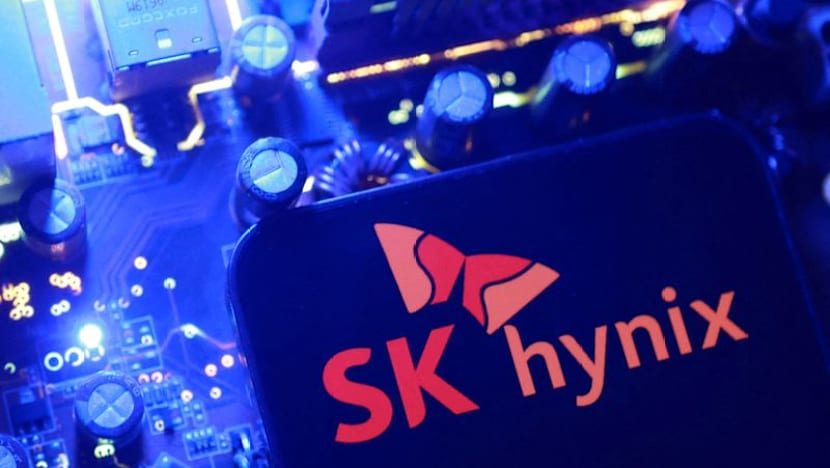
This profit surge is heavily concentrated. Samsung Electronics and SK Hynix, which together account for more than half of the $4.3 trillion Kospi, are riding a wave of soaring memory-chip prices. The market has long suffered from a "Korea Discount" due to corporate governance issues and the historical cyclicality of these two chipmakers.
For investors lacking exposure, Francis Tan, Asia chief strategist at Indosuez Wealth, argues it is "a great time to get into provide the growth component for the portfolio tied into the AI theme." He noted that current earnings "are robust and still forecast to be strong."
However, several strategists warn that cheapness alone is a dangerous basis for investment. "Korea needs proof that the memory super-cycle still has legs," said Charu Chanana, chief investment strategist at Saxo Markets. She warned that hyperscalers "will still spend big but start talking about how they are optimising costs, and that’s bad news for memory because it means high prices are killing demand."
Jason Minsang Kam, head of active equity management at Kyobo Life Insurance Co., acknowledged the market "has never before experienced such an unprecedented, explosive surge in earnings momentum." Despite this, Kam remains wary of "extreme volatility" and recommends avoiding Korean chipmakers due to their high cyclicality.
Additional headwinds include looming capacity additions by Samsung and SK Hynix that could crush margins when demand eases, alongside rising competition from Chinese firms like ChangXin Memory Technologies. Traditional valuation metrics may also be masking the market's true price, as the Kospi's price-to-book ratio has climbed above 2 times for the first time in its history.
Looking at price-to-earnings-growth ratios, Samsung and SK Hynix are "not screaming cheap anymore," said Keith Bortoluzzi, managing director at Impactfull Partners. "Share prices might hold steady for another six months, but they are unlikely to climb much higher," he added. A potential US listing for SK Hynix remains a possible catalyst to close the valuation gap with rival Micron Technology.