IMF cuts 2026 outlook as Iran war triggers first oil demand drop since 2020
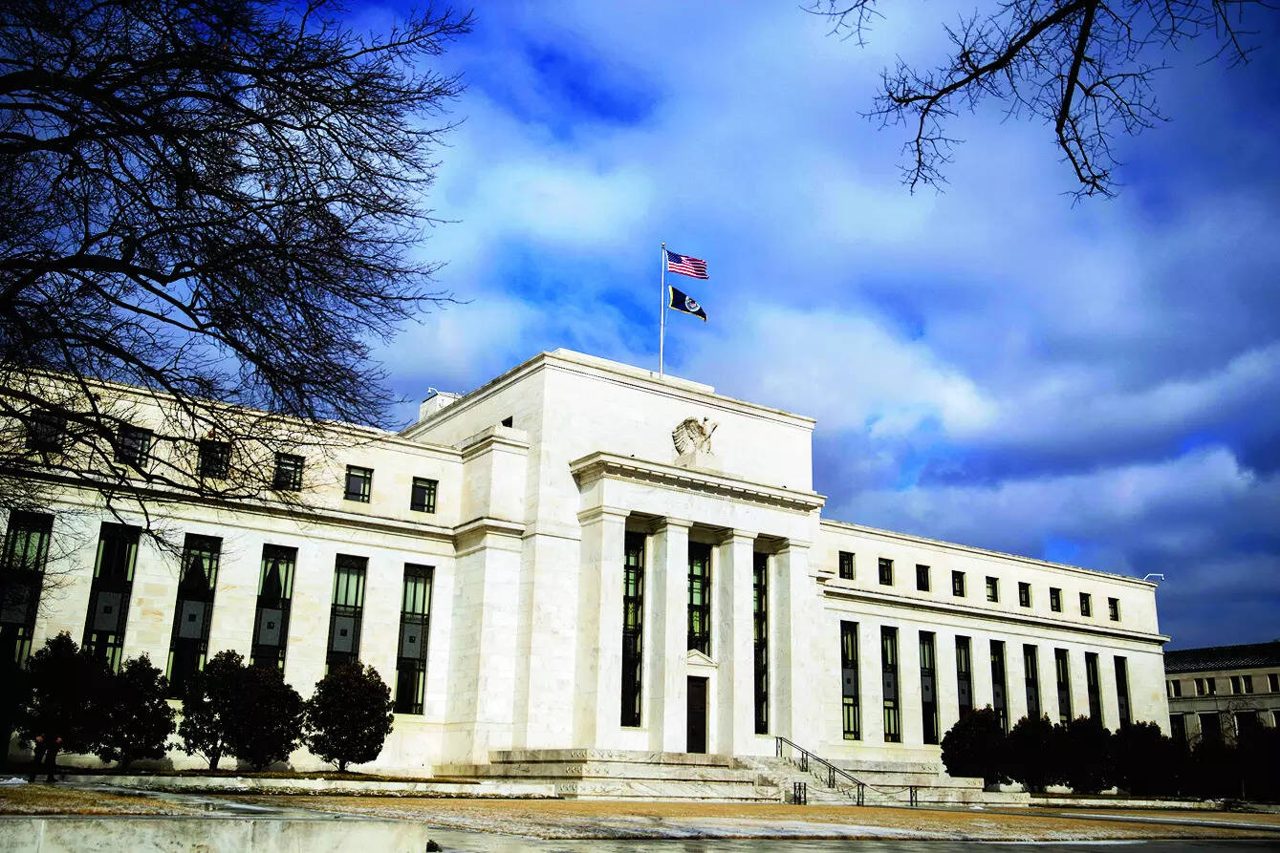
The IMF downgraded its 2026 global growth forecast to 3% as the Iran conflict chokes off oil supply, creating a deep divide at the US Federal Reserve over the inflation outlook.
The global economy is bracing for a sluggish 2026 as the Iran war inflicts deep energy shocks across markets. The International Monetary Fund this week cut its worldwide growth forecast to 3%, down from 3.1% projected in April and 3.5% recorded last year. The fund expects a modest rebound to 3.4% in 2027, supported by heavy investment in artificial intelligence.
The conflict is already eroding oil demand. The International Energy Agency expects global consumption to fall by 1 million barrels per day this year, marking the first decline since the 2020 pandemic lockdowns. The Strait of Hormuz, largely shut to tanker traffic, has forced energy-reliant Asian nations to alter workdays and curb consumption.
The US stands as a notable exception to the demand destruction. American gasoline usage actually increased in the second quarter, even as pump prices sat roughly 50% above pre-war levels in May. This resilience underscores a broader divergence with Europe, which the IMF expects to grow just 0.9% this year, down from 1.4% in 2025, while the US is forecast to expand 2.3%.
Yet the US housing and labor markets are flashing mixed signals. The median home price hit an all-time high of $440,600 in June, extending an annual price increase streak to 36 months. Existing home sales fell to a 4.09 million annualized rate, missing estimates of 4.21 million, while employers added just 57,000 jobs in June.
The war's inflationary fallout has fractured the Federal Reserve. Minutes from the June 17 meeting, the first under new Chair Kevin Warsh, revealed a 50-50 split among policymakers. Half of the 18 officials who submitted projections supported raising rates from the current 3.6% level by year-end, while the other half favored holding steady or cutting. Warsh notably declined to submit a forecast.
Financial markets have largely absorbed the turbulence. The S&P 500 is on track for its fourth winning week in five, while oil prices held steady despite recent unclaimed airstrikes on Iran.