Citi downgrades South Korea as AI chip stocks retreat
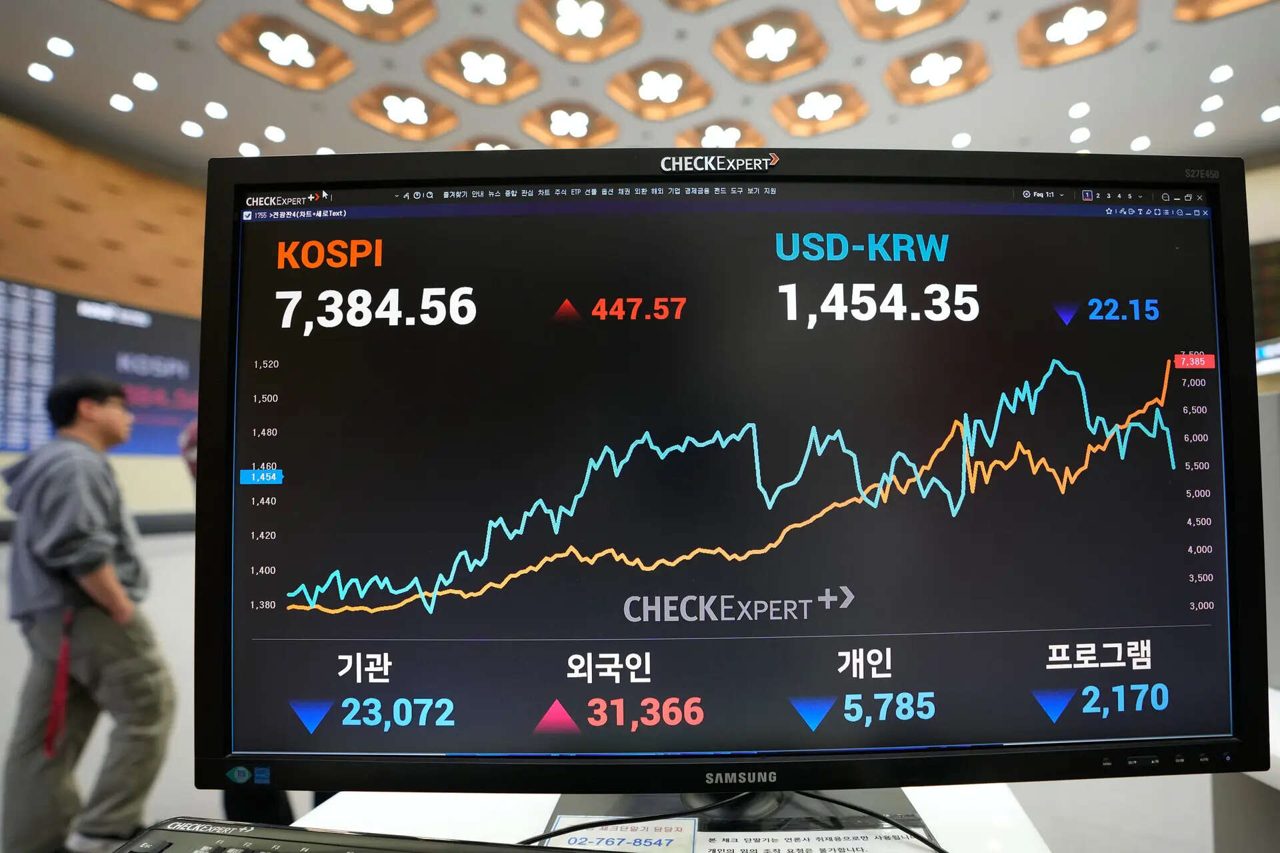
Citi downgraded South Korean equities to neutral following a 23% July slump, signaling a broader institutional rotation away from stretched AI semiconductor valuations.
Citi has downgraded South Korea to neutral, abandoning its overweight position after a dramatic reversal in the semiconductor stocks that powered the KOSPI to the top of global equity rankings this year. The bank's move follows a roughly 23% drop in South Korean equities this month, a sharp correction that erased a portion of the market's roughly 55% year-to-date gains.
The sudden volatility exposes the fragility of a market rally that became heavily dependent on retail speculation. Leveraged single-stock exchange-traded funds fueled much of the recent enthusiasm, amplifying price movements in AI-linked chipmakers. As valuations became increasingly stretched, institutional investors stepped back to reassess the fundamental pricing of the AI trade.
Citi's tactical pivot does not signal a loss of faith in artificial intelligence itself. The bank stated it remains structurally positive on the long-term AI investment theme and is cautious about abandoning technology stocks entirely. Instead, the downgrade represents a calculated risk-management decision to trim exposure to the most volatile pockets of the Asian market.
Capital is actively rotating within emerging markets. Citi is keeping Taiwan at overweight while simultaneously upgrading China to overweight in its emerging markets allocation. This shift suggests investors are hunting for cheaper valuations and broader economic catalysts outside the concentrated semiconductor trade.
The reassessment extends beyond a single bank. Yardeni Research has downgraded emerging markets overall to a market-weight recommendation. The firm identified a confluence of macro headwinds, specifically rising oil prices and a stronger US dollar bolstered by a hawkish Federal Reserve, compounding the specific fatigue in AI-related stocks.
Taiwan's market trajectory underscores the regional nature of this unwind. The Taiwanese market has declined around 8% in July, though it continues to hold an approximate 47% gain for 2026. According to Yardeni, both South Korea and Taiwan have rapidly transitioned from being the strongest-performing markets earlier in the year to the weakest performers this month.
Looking ahead, institutional focus is shifting toward when the broader market will take the baton from a narrow cohort of tech giants. Citi reported that client conversations are increasingly revolving around the possibility of broader market leadership emerging in the second half of 2026, marking a potential end to the hyper-concentrated AI equity rally.