Rupee slides to two-month low as oil surges on US-Iran strikes

The Indian rupee fell toward its record low after surging oil prices triggered by escalating US-Iran military strikes tested the central bank's ability to manage currency volatility.
The Indian rupee dropped 0.2% to 96.4575 against the dollar, marking its weakest level since May 21. The decline pushes the currency dangerously close to its all-time low of 96.96, recorded just weeks earlier in that same month. This proximity to a historic trough signals persistent downward pressure on the exchange rate.
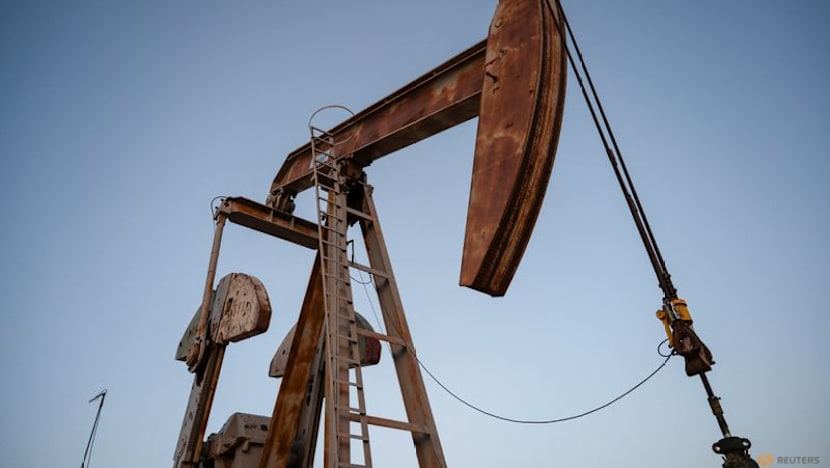
The immediate catalyst for the currency's weakness was a sharp rise in global crude oil prices. Brent crude futures gained 2.5% to reach $90.3 a barrel during Asian trading hours. The price jump reflects a sudden repricing of geopolitical risk in energy markets.
This spike in oil followed a U.S. announcement that it had conducted a ninth consecutive night of military strikes against Iran on Sunday. The escalation represents a dangerous unraveling of an interim ceasefire agreement reached last month. Tensions were already elevated following the disclosure that at least two U.S. military personnel were killed in Jordan.
For market participants, the correlated movement between oil and the rupee underscores a critical vulnerability in the domestic economy. The simultaneous rise in energy costs and currency depreciation points directly to the financial strain caused by the Middle Eastern conflict.
Despite these headwinds, the rupee's descent was not entirely unchecked. Traders observed that state-run banks actively sold dollars into the market, blunting the scale of the drop. This deliberate price action mirrors a strategy seen in recent sessions, where the Reserve Bank of India relies on mild interventions to avert a sharp, disorderly slide in the currency.
Still, the central bank's defensive posture may soon be challenged by an uncontrollable external shock. Analysts at Goldman Sachs cautioned that the current trajectory could easily worsen. "More attacks on tankers and Middle East infrastructure could push prices back to the $100+ range that prevailed for much of the hot phase of the conflict," they said in a note.
A return to triple-digit oil prices would significantly alter the calculus for Indian policymakers. It would test whether the current strategy of mild intervention is sufficient to prevent the rupee from breaching its all-time low, or if a more drastic response is required to stabilize the currency.