Ingka Group lists eight Chinese retail sites with JLL
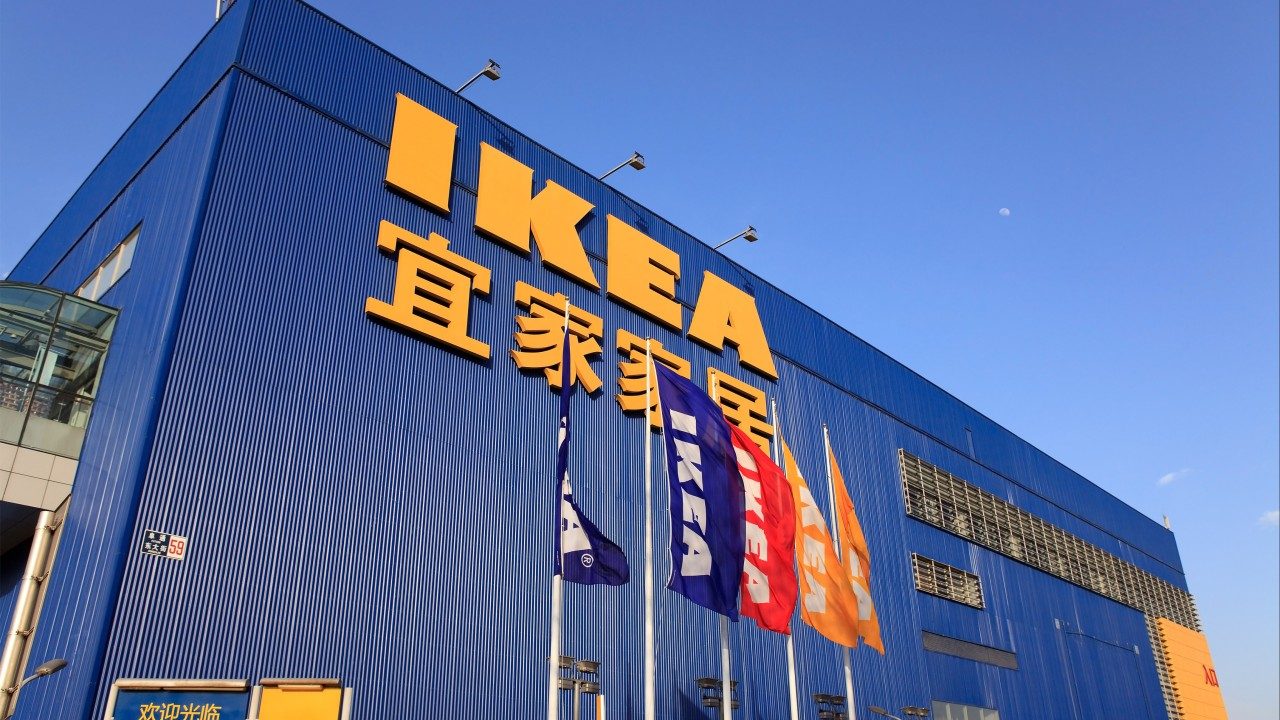
Ikea's parent company is selling its largest batch of Chinese real estate in nearly three decades, signalling a strategic retreat from brick-and-mortar operations amid a protracted market downturn.
Ingka Group, the parent company of Ikea, has appointed JLL as the sole agent to sell eight former retail properties in mainland China. This marks the Swedish retailer's largest asset disposal in the country since its entry nearly three decades ago. The fully vacated sites carry no outstanding leases, allowing for immediate delivery to prospective buyers.
The portfolio spans a mix of tier-one and lower-tier cities, including Guangzhou, Tianjin, Harbin, Nantong, Xuzhou, and Ningbo. The most prominent asset is a massive site in Shanghai's suburban Baoshan district. Formerly Ikea's largest store in Asia, the 105,000-square-metre property highlights the sheer scale of the retailer's previous physical footprint.
JLL noted that these properties are readily convertible into alternative uses. The consultancy suggested they could be redeveloped into rental apartments, neighbourhood shopping centres, cultural complexes, or corporate headquarters. This pivot toward adaptive reuse reflects the diminishing viability of traditional big-box retail formats in the region.
The divestment underscores the growing tension between legacy expansion strategies and China's current macroeconomic headwinds. A prolonged downturn in the property sector has been compounded by historically cautious consumer spending. These factors have severely eroded demand for high-volume, out-of-town furniture showrooms.
In response to these pressures, multinational brands are aggressively trimming physical footprints to cut overhead costs and prioritise digital channels. Ikea China framed the move as a strategic shift rather than a retreat. The company stated the disposal is "part of an ongoing review and optimisation of its omnichannel ecosystem, aiming to deliver more efficient operations."
For commercial real estate investors, the JLL mandate represents a significant test of market liquidity for large-format assets. While the suggested alternative uses align with ongoing urban renewal trends, ultimate sale prices will heavily depend on local buyer appetite. The resulting transaction will serve as a key bellwether for foreign brands attempting to monetize real estate holdings in a depressed market.