Rupee nears record low as oil surge, trade risks mount
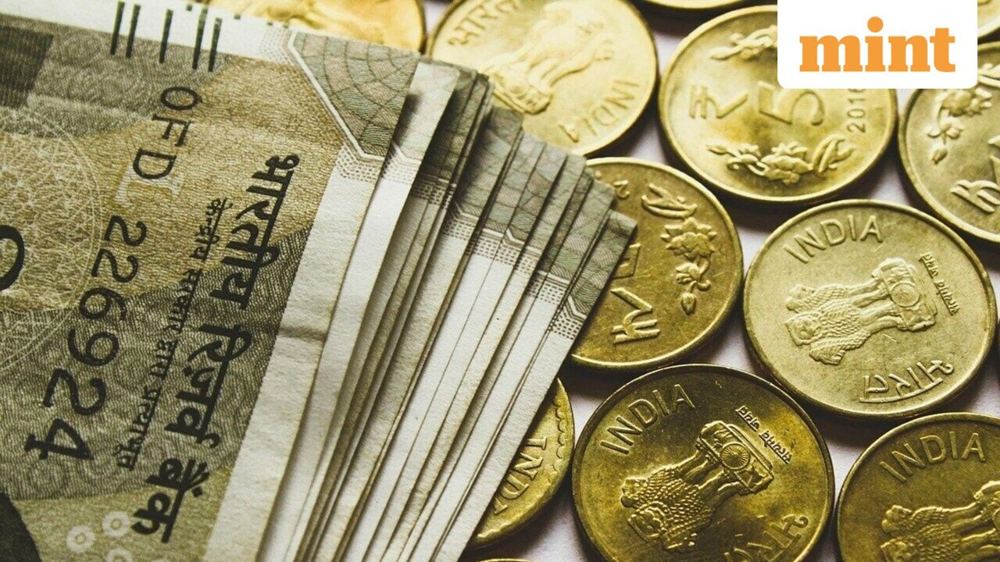
The Indian rupee slumped to 96.40 against the US dollar, nearing a record low as surging crude prices from Middle East conflicts and looming US tariff deadlines threaten to inflate India's import bill and strain corporate margins.
The Indian rupee fell 12 paise to open at 96.40 against the US dollar on Monday, extending a 1.7% decline this month that brings it within striking distance of May's record low of 96.96. A brief recovery driven by Reserve Bank of India interventions and foreign portfolio inflows has completely evaporated. Investors are now focused on a toxic mix of rising energy costs and global trade uncertainty.
Brent crude futures jumped 2.7% on Monday to breach $90 a barrel, a level not seen in nearly six weeks, directly threatening India's inflation trajectory and import bill. The price spike follows a ninth consecutive night of US strikes on Iran, alongside reported Iranian attacks on Kuwait and Bahrain. Furthermore, both sides are targeting maritime traffic in the Strait of Hormuz, disrupting shipping and fueling fears of prolonged supply constraints.
A steady dollar index near 100.80 is limiting any relief for emerging market currencies. While softer US inflation reduced expectations for an immediate Federal Reserve rate hike, the greenback found support in surprisingly resilient domestic data. US consumer sentiment reached 54.4 in July, well above market expectations and the highest reading since February, though much of this survey was completed before the latest geopolitical escalation.
Market participants warn that India's foreign exchange reserves may offer less of a safety net than the headline figures suggest. While total reserves stood at approximately $675 billion in the week ending July 10, the central bank held a net short forward dollar position of $106.66 billion at the end of May. Analysts expect these forward commitments have grown significantly as the RBI intervened to smooth the rupee's decline, shrinking the effective buffer available to absorb future shocks.
Currency pressure is also set to face an additional test this week as a temporary 10% US tariff reprieve on Indian exports expires on July 24. Negotiations are reportedly in their final stages, with India pushing for tariff treatment comparable to Vietnam and Indonesia. Failure to secure an extension by Friday would deliver a fresh blow to exporter sentiment and add another layer of downward pressure on the rupee.
For investors, the convergence of a stubbornly high oil price and a resilient dollar leaves the rupee highly vulnerable to further depreciation. Companies reliant on imported energy or US-denominated debt will likely see margins squeezed unless they hold adequate hedges. With the central bank's ability to aggressively defend the currency constrained by its forward liabilities, market participants should brace for heightened volatility.